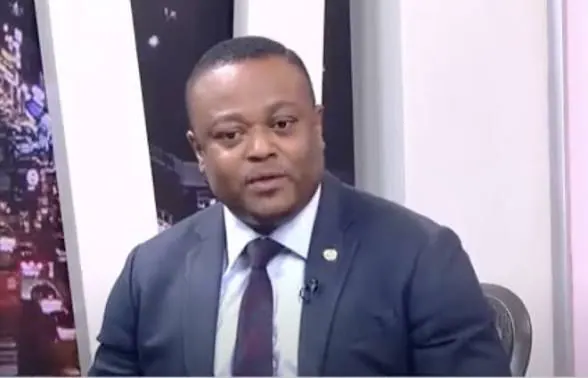
The General Secretary of the Ghana Registered Nurses and Midwives Association (GRNMA), Dr. David Tenkorang-Twum, has expressed support for the government's decision to reduce the number of nurses and midwives being trained. He described the move as long overdue, stating that Ghana has been training nurses and midwives without sufficient consideration of the health sector's capacity to absorb them.
According to Dr. Tenkorang-Twum, the decision to reduce admissions into nursing and midwifery training institutions is necessary to ensure that trainees acquire the skills and competencies required to meet Ghana's healthcare needs. He emphasized that nursing is a skill-based profession that requires adequate resources and qualified instructors to train students effectively.
Dr. Tenkorang-Twum drew a comparison between nursing training institutions and the University of Ghana, where he said more than 35 PhD holders teach, but the university admits fewer than 200 students annually in his programme. He argued that the capacity and qualifications of lecturers at nursing training institutions should be carefully assessed before determining how many students they should admit.
The GRNMA General Secretary also welcomed the Nursing and Midwifery Council's decision to allocate quotas to nursing training colleges, describing it as an appropriate measure. He stressed that the focus should be on ensuring high-quality training and aligning the number of trainees with the country's healthcare needs.
Despite potential political disagreements over the policy, Dr. Tenkorang-Twum expressed his support for the government's position, emphasizing that the quality of training is more important than the quantity of nurses and midwives produced. He believes that this move will help address the healthcare needs of Ghana.
The government's decision to reduce nurse training has been a subject of discussion, with some arguing that it may lead to a shortage of healthcare professionals in the country. However, Dr. Tenkorang-Twum believes that the move is necessary to ensure that nurses and midwives are adequately trained to provide quality healthcare services.
The GRNMA is expected to continue engaging with the government and other stakeholders to ensure that the nursing training system is improved to meet the country's healthcare needs. The association will also be monitoring the implementation of the new policy to ensure that it achieves its intended objectives.
Key points
- The Ghana Registered Nurses and Midwives Association supports the government's decision to reduce nurse training, citing the need for quality over quantity.
- The decision to reduce admissions into nursing and midwifery training institutions aims to ensure that trainees acquire the necessary skills and competencies to meet Ghana's healthcare needs.
- The GRNMA welcomes the Nursing and Midwifery Council's decision to allocate quotas to nursing training colleges, describing it as an appropriate measure.