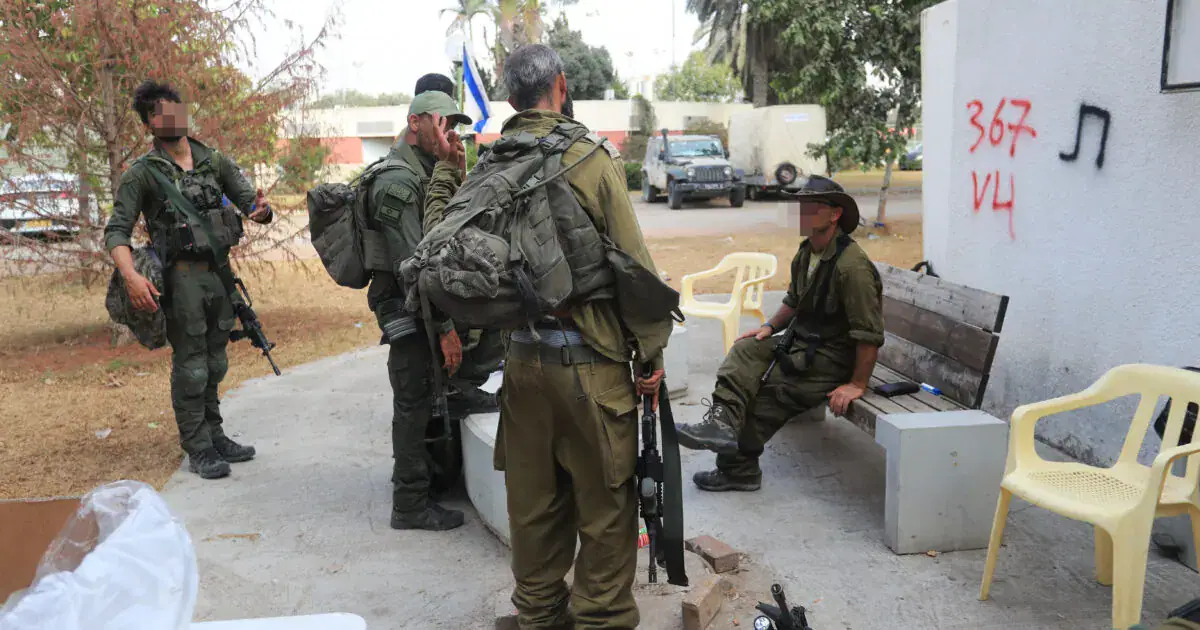
Three years after the Hamas attacks on 7 October 2023, South African Jews living in South Africa and Israel reflect on where they were when they first heard about the massacre in Israel, and how that morning changed their lives. For Amy Markus, who made aliya to Israel seven years earlier, the morning began with a siren in Tel Aviv. She had grown accustomed to rocket warnings, but this time, the alert came at the wrong time, and her life was about to change forever.
Markus's experience was just the beginning of a traumatic event that would change her life and relationships. She received messages from friends in Albania and South Africa, urging her to leave Israel immediately. Despite her father's advice to stay, Markus left for New York, where she stayed for three months. Her experience was marked by hostility and protests, including the removal of hostage posters she had put up. The event strengthened her Jewish identity but also changed her relationship with Israel and her sense of safety.
Sue and Ian Levin, a couple who have lived in Israel since 1977, experienced 7 October from inside Israel. They were in Ra'anana when the attack began and drove back to their home in the Negev, navigating through closed roads and soldiers. They eventually made their way to a safety room, where they remained for hours. The following morning, they were instructed to evacuate and eventually stayed in Haifa for about four and a half months. Their neighbours were not so fortunate, with one neighbour's daughter killed at the Nova festival and another neighbour's daughter, a police officer, also killed.
The Levin's experience was just one of many that changed the lives of South African Jews on 7 October. Rachel, a resident of Houghton, Johannesburg, had three adult children who were called into reserve duty on that morning. She described the distance between South Africa and Israel as agonising, as she waited anxiously for news from her children. Her children were serving in different locations, and every phone notification brought fear. Rachel's experience was marked by uncertainty and worry, as she tried to cope with the reality of her children's involvement in the conflict.
David, a resident of Cape Town, experienced 7 October at a synagogue in Sea Point. He arrived at shul in the morning to prepare for the service, unaware of the attack that had begun in Israel. As the news eventually reached the sanctuary, the congregation was confronted with the reality that Israel was under attack. Many had children, grandchildren, friends, or relatives in Israel, and the event changed the DNA of their shul experience forever. The synagogue had to increase security, and David personally took precautions to ensure his safety.
For these South Africans, 7 October began in a different place, but three years later, their memories remain tied to those first moments of uncertainty. The event changed their lives, relationships, and sense of security. As they reflect on that day, they recall the uncertainty, fear, and trauma that they experienced. Their stories serve as a reminder of the impact of the conflict on individuals and communities.
The reflections of these South African Jews serve as a testament to the enduring impact of 7 October. As they look back on that day, they remember the moments that changed their lives forever. Their experiences, though varied, share a common thread of uncertainty, fear, and resilience. As they move forward, their stories will continue to serve as a reminder of the importance of community, security, and the enduring bond between South African Jews and Israel.
Key points
- The Hamas attacks on 7 October 2023 had a profound impact on South African Jews, changing their lives, relationships, and sense of security.
- The event strengthened Jewish identity for some, but also led to a re-evaluation of relationships with Israel and personal safety.
- The memories of that day remain vivid three years later, serving as a reminder of the trauma and uncertainty experienced by individuals and communities.
Reporting sources
- Where were you on 7 October? · Jewish Report