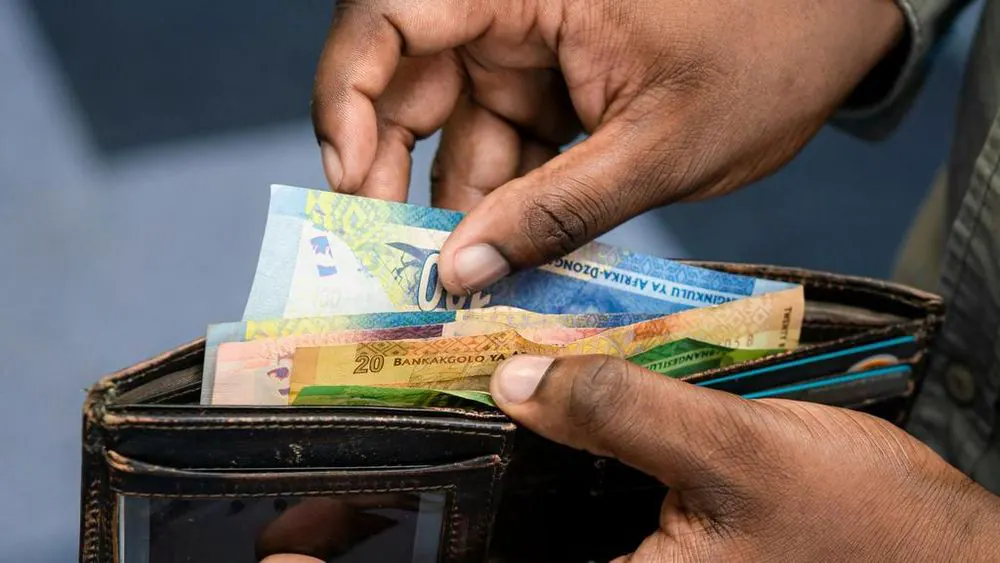
The South African Human Rights Commission (SAHRC) is calling for a ban on cash payments for copper scrap to help curb the R45 billion annual copper theft crisis in South Africa. In a newly released policy brief, the SAHRC recommends that all copper scrap transactions be conducted electronically, with records of payments kept for at least five years. This move aims to improve traceability and help authorities crack down on cable theft and the illegal trade in stolen infrastructure.
The illicit copper trade has significant economic and social implications for South Africa. According to research by Genesis Analytics commissioned by the Department of Trade, Industry and Competition, the country loses over R45 billion annually to copper theft. State-owned enterprises such as Transnet and Eskom have also recorded large-scale losses of railway cable and experienced disruptions to electricity supply and public safety due to theft and vandalism.
The SAHRC believes that cash transactions make it harder to trace the origin and destination of stolen copper. By implementing electronic payments, a transaction trail can be created to help regulators and law enforcement identify suspicious activity. The Commission recommends that the Second-Hand Goods Amendment Bill, currently under consideration, include a mandatory cashless payment requirement for all copper scrap transactions.
The proposed Second-Hand Goods Amendment Bill aims to address regulatory gaps linked to infrastructure vandalism, cable theft, and the unlawful scrap-metal trade. Cabinet approved the Bill for publication for public comment in August. The SAHRC has urged the government to publish the Bill without further delay and finalize the regulations under the Second-Hand Goods Act by the end of December 2026.
The impact of copper theft and vandalism is not limited to economic losses. Municipalities and state-owned enterprises are also incurring significant costs to repair and replace damaged infrastructure. For example, the City of Cape Town spent over R75 million in 2025/26 repairing and replacing electricity infrastructure damaged by theft and vandalism.
The SAHRC's recommendations are part of a broader effort to combat copper theft and promote a safer and more secure environment for citizens. By working with stakeholders, including government, industry, and civil society, the Commission aims to develop effective solutions to this complex problem.
The implementation of electronic payments for copper scrap transactions is seen as a critical step towards reducing copper theft. The SAHRC will continue to engage with stakeholders to ensure that the recommendations are implemented and that the scourge of copper theft is brought under control.
Key points
- The South African Human Rights Commission recommends a ban on cash payments for copper scrap to curb the R45 billion annual copper theft crisis.
- Electronic transactions will improve traceability and help authorities crack down on cable theft and the illegal trade in stolen infrastructure.
- The proposed Second-Hand Goods Amendment Bill aims to address regulatory gaps linked to infrastructure vandalism, cable theft, and the unlawful scrap-metal trade.