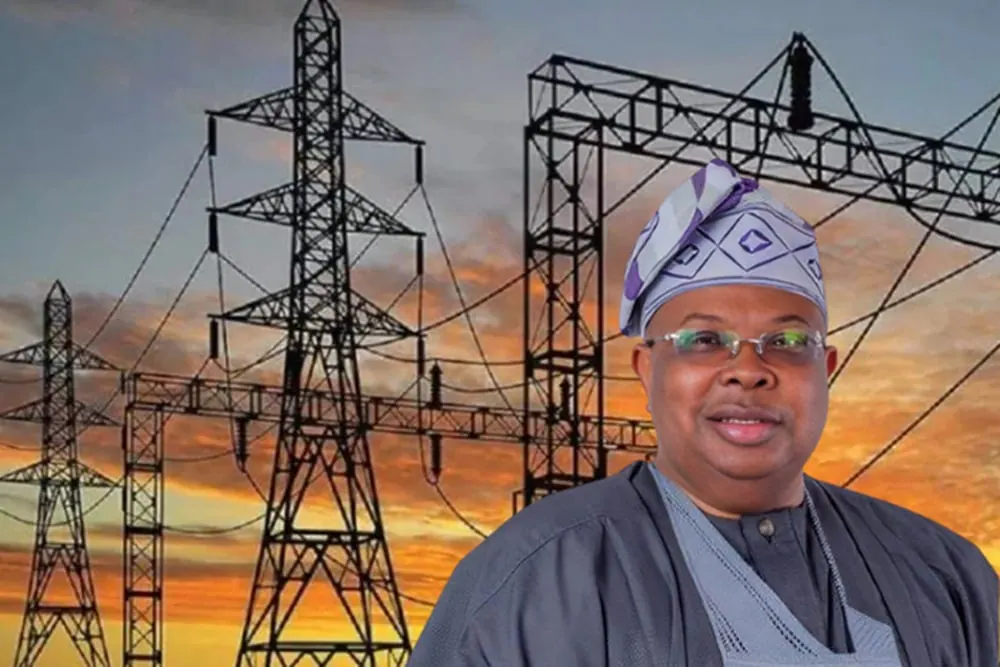
The Federal Government of Nigeria has initiated discussions with electricity distribution companies to provide 24-hour power supply in Lagos, Abuja, Kano, and other major demand centres across the country. This move is part of the government's efforts to provide more reliable electricity to homes, businesses, and industries in areas with high demand. The proposed Energy Zones will cover key areas, including the Lagos axis, Abuja-Kaduna-Kano corridor, and Enugu-Port Harcourt corridor.
The Minister of Power, Joseph Tegbe, recently met with the management of selected electricity distribution companies to discuss the plan. According to a statement issued by his media aide, Adeola Adelabu, the initiative aims to address problems at the distribution end of the electricity supply chain. This includes ensuring that power generated and transmitted to the national grid can reach consumers. The minister emphasized that the challenges in the power sector are not limited to generation and transmission.
The proposed Energy Zones are expected to improve the amount of electricity distributed to consumers while increasing commercial and industrial demand. This, in turn, could improve the revenue and collection performance of electricity distribution companies. The minister reaffirmed the Federal Government's plan to expand electricity infrastructure in areas with high demand, stressing that power supply must increase as the economy grows.
The proposed zones will focus on areas where stable electricity is needed by businesses, manufacturers, and other productive sectors. This initiative is linked to President Bola Tinubu's Renewed Hope Agenda, which identifies reliable electricity as important to economic growth, industrialisation, and job creation. The meeting with electricity distribution companies was part of Tegbe's plan to address challenges in the power sector through a phased approach.
Representatives of the Abuja Electricity Distribution Company, Ikeja Electric, Eko Power, Ibadan Electricity Distribution Company, and Sahara Energy Group attended the meeting. The statement did not provide a timeline for the implementation of the Energy Zones or the expected capacity of the zones. Additionally, it did not state the infrastructure investments required to provide 24-hour power.
The Federal Government's efforts to improve electricity supply are crucial for Nigeria's economic growth and development. The power sector has faced numerous challenges, including inadequate generation, transmission, and distribution infrastructure. The proposed Energy Zones are expected to address some of these challenges and provide more reliable electricity to consumers.
The implementation of the Energy Zones will require significant investments in infrastructure, including power generation, transmission, and distribution facilities. The government will need to work closely with electricity distribution companies and other stakeholders to ensure the success of the initiative. Three key points have emerged from the government's plan: the proposed Energy Zones will cover major demand centres, the initiative aims to improve electricity distribution and revenue collection, and the plan is linked to President Tinubu's Renewed Hope Agenda.
Key points
- The Federal Government has begun talks with electricity distribution companies to provide 24-hour power supply in major demand centres.
- The proposed Energy Zones will cover key areas, including the Lagos axis, Abuja-Kaduna-Kano corridor, and Enugu-Port Harcourt corridor.
- The initiative aims to improve electricity distribution and revenue collection, and is linked to President Tinubu's Renewed Hope Agenda.