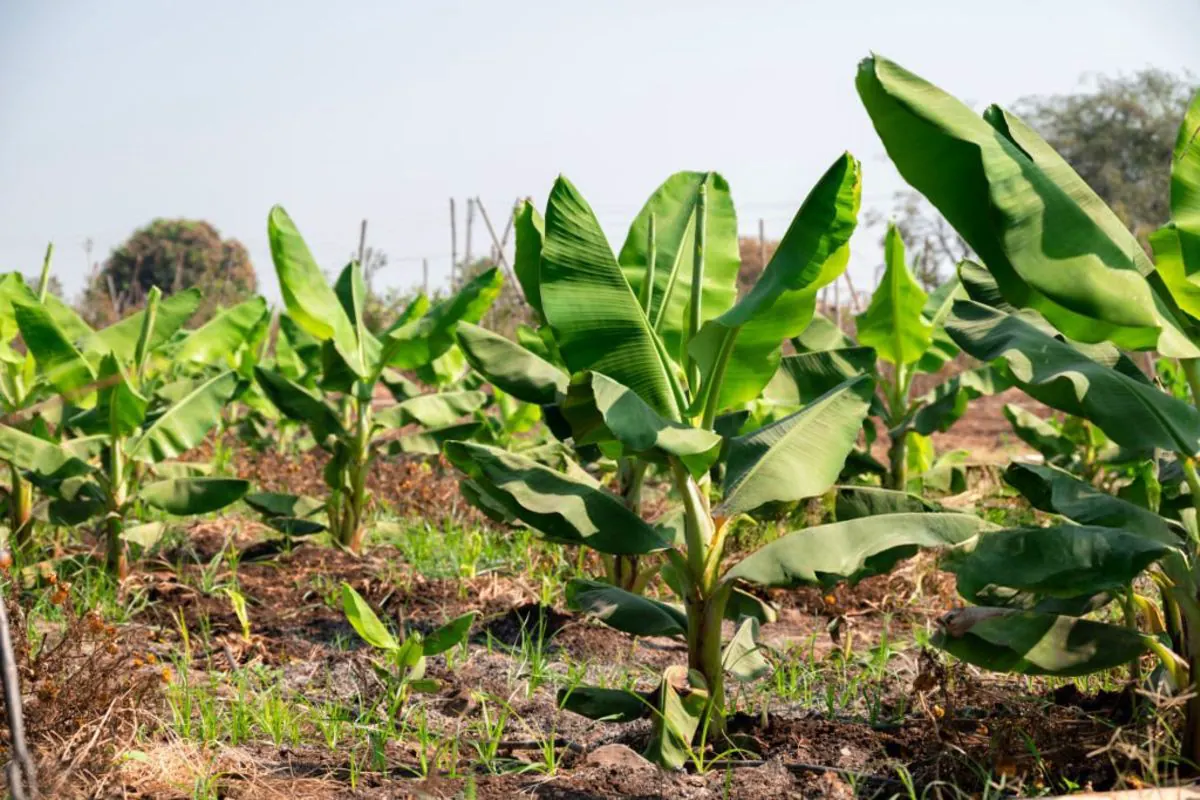
Tanzania has introduced three new vitamin A-rich banana varieties, Bira, Lahi, and Apantu, developed through a collaboration between the Alliance of Bioversity International and CIAT and the Tanzania Agricultural Research Institute (Tari). The varieties were officially registered by the Tanzania Official Seed Certification Institute (Tosci) to provide farmers with access to planting materials with enhanced nutritional value. This initiative aims to address vitamin A deficiency, which affects about 33 percent of children under five in Tanzania.
Vitamin A deficiency can cause eye damage, blindness, and weaken the immune system, making children more vulnerable to illness. According to Dr. Deborah Nabuuma, a researcher at the Alliance, incorporating nutrient-rich crops into people's diets can complement existing interventions such as vitamin A supplementation. Bananas are a staple food in Tanzania, providing food, income, and household nutrition for over 900,000 farming households. The crop ranks fourth in Tanzania in terms of its contribution to food security and income generation.
The three banana varieties were developed over a decade of research aimed at identifying bananas with nutritional and agricultural characteristics suited to Tanzanian conditions. TARI's senior banana breeder, Dr. Mpoki Shimwela, said the varieties were selected following assessments of their agricultural performance and consumer acceptance. One of the selected varieties, Bira, has historical links to Tanzania, tracing its origins to Papua New Guinea, but has been part of the traditional Kinja farming system in the Haya community for centuries.
The release of these vitamin A-rich varieties marks an important step towards strengthening food and nutrition security in Tanzania. Dr. Shimwela described the registration as an important milestone for farmers and consumers, allowing wider multiplication and distribution of the varieties. With the varieties now officially registered, larger-scale promotion and dissemination can proceed, bringing the potential benefits of vitamin A-rich crops to more farming communities.
Bananas are a daily staple for many households in Tanzania, prepared in dishes such as mtori and ndizi kaanga, and used to make mbege, a traditional banana beer. Tanzania is East Africa's second-largest banana producer after Uganda and has one of the world's highest rates of banana consumption, with estimates ranging from 280 to 500 kilogrammes per person annually. The crop supports more than 30 percent of the population, according to the Alliance.
The Alliance and TARI initially identified 11 promising varieties from the Alliance's banana genebank in Belgium, which were subsequently evaluated in Tanzania in collaboration with local communities. The three selected varieties were chosen for their nutritional and agricultural characteristics, making them suitable for Tanzanian conditions. The registration of these varieties paves the way for wider multiplication and distribution, potentially allowing more farming households to incorporate nutrient-rich bananas into their production systems.
The introduction of these vitamin A-rich banana varieties is expected to have a positive impact on the health and well-being of Tanzanians, particularly children under five. With bananas being a staple food in many households, the increased availability of nutrient-rich bananas can help address vitamin A deficiency and improve food security. The government and other stakeholders are expected to promote and disseminate the new varieties, making them more accessible to farming communities.
Key points
- The three new banana varieties, Bira, Lahi, and Apantu, are rich in vitamin A and aim to address deficiency affecting 33 percent of children under five in Tanzania.
- The varieties were developed through a collaboration between the Alliance of Bioversity International and CIAT and the Tanzania Agricultural Research Institute (Tari).
- The release of these varieties marks an important step towards strengthening food and nutrition security in Tanzania, targeting 900,000 farming households.