The Department of Mineral and Petroleum Resources (DMPR) announced that most fuel types will see price rises exceeding R3, effective October 7. The price of 95 Unleaded petrol will rise by R3.33, while 93 Unleaded is set to go up by R3.12. Additionally, 500ppm diesel will see a R2.84 price hike, while the cleaner 50ppm diesel will go up by R3.24. This follows the significant fuel price hikes of September.
The increased fuel prices will have a substantial impact on motorists, with the cost of driving 1,000km in a small-to-medium SUV rising by almost R800 compared to March. According to calculations, a small car with average consumption of 5.5 litres per 100km would have cost around R1.07 per kilometre in fuel costs back in March, but by October, that number is expected to swell to R1.62.
The effects of the fuel price hikes will vary depending on the type of vehicle and its fuel consumption. A compact SUV that consumes 8.0 l/100km would have risen from R1.55 earlier in the year to R2.08 in September, with a cost of around R2.35 projected for October. For diesel-powered vehicles, such as a bakkie that consumes around 9.0 l/100km, the cost per kilometre would have risen from R1.83 in March to R3.09 in October.
The increased fuel costs will also affect the cost of filling up a tank. For a small car with a 30-litre tank, the cost of fuel will rise by around R100 compared to last month, while a bakkie with a larger tank will see an increase of R226. These rising costs will have a significant impact on the average South African motorist, who drives around 1,500km to 1,800km per month.
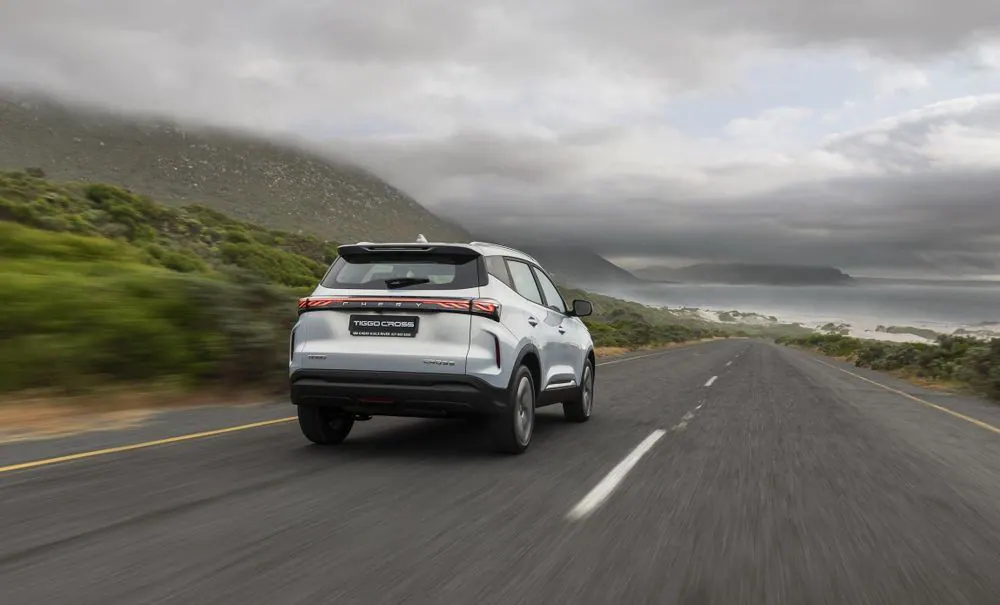
Based on coastal prices in October, the estimated fuel costs for a small car, such as a Suzuki Swift, would have risen from R1,606 in March to R2,424 in October. For an SUV, such as the Chery Tiggo, with a consumption of 8.0 l/100km, fuel costs would have risen from R2,336 in March to R3,526 in October. In the case of a Toyota Hilux, with a consumption of 9.0 l/100km, the fuel cost would have risen from R2,746 in March to R4,637 in October.
The future of fuel prices remains uncertain and is largely dependent on the prospects of peace in the Middle East. Oil prices remain elevated due to fears of disruptions to global crude supplies and shipping. The Strait of Hormuz is a particular concern, as a significant share of the world's oil passes through the narrow waterway.
The rising fuel costs have sparked calls for a temporary reduction in the fuel levy. The Motor Industry Suppliers Association (MISA) is demanding a R3 fuel levy cut, warning that soaring fuel, transport, and food costs are pushing workers to the brink. As the fuel price hikes take effect, motorists will be feeling the pinch, with many calling for relief measures to mitigate the impact of the increased costs.
Key points
- The price of 95 Unleaded petrol is expected to rise to over R30 per litre in Gauteng.
- The increased fuel prices will have a significant impact on motorists, with the cost of driving 1,000km in a small-to-medium SUV rising by almost R800 compared to March.
- The future of fuel prices remains uncertain and is largely dependent on the prospects of peace in the Middle East.