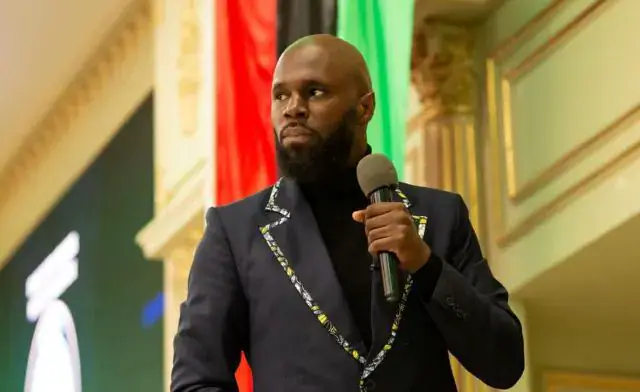
The South African judiciary has rescheduled the extradition hearing of Kémi Séba, a pan-Africanist activist, to February 3, 2027. This decision was made on November 20, 2026, in Pretoria. Séba, president of the NGO Urgences panafricanistes, will remain in provisional detention. He was arrested on April 13, 2026, in Pretoria. The court has set a new date for the extradition request filed by Beninese authorities. Séba's detention continues as the legal process unfolds.
The extradition request from Benin aims to bring Séba to justice for alleged crimes including apologia for crimes against state security, incitement to rebellion, and money laundering. These accusations relate to his public statements following a foiled coup attempt in Benin in December 2025. Séba disputes the political motivations behind this judicial procedure and fears for his safety if transferred to his country of origin. His legal team had previously argued for diplomatic immunity based on a diplomatic passport issued by Nigerien authorities in 2024, but this was rejected by the South African justice system on October 6, 2026.
Before ruling on the extradition request, the court will examine a new bail application filed by Séba's lawyers on November 26, 2026. A previous similar request was denied in June 2026. This development prolongs Séba's wait before the South African courts. The activist's fate hangs in the balance, pending two judicial appointments: the examination of his release request and the hearing dedicated to his possible extradition.
Kémi Séba's arrest and potential extradition have garnered attention due to his prominence as a pan-Africanist. His organization, Urgences panafricanistes, has been involved in various activities promoting African unity and critiquing Western influence. Séba's detention and the pending legal battles have sparked discussions on the limits of free speech and political activism in Africa.
The Beninese authorities have been seeking Séba's extradition to address allegations of his involvement in subversive activities. The exact nature of these activities and the evidence supporting the extradition request have not been fully disclosed. Séba's case highlights the complexities of international cooperation in prosecuting individuals accused of crimes with political implications.
As Séba's case approaches the next critical stages, his supporters and human rights advocates are closely monitoring the developments. They express concerns about the potential consequences for Séba if extradited and the broader implications for freedom of expression and political activism in the region. The international community is also watching, given the potential impact on diplomatic relations between South Africa, Benin, and other involved countries.
The postponement of Séba's extradition hearing to February 2027 prolongs the uncertainty surrounding his fate. As the judicial process continues, Séba will remain in detention, awaiting the court's final decision on his extradition and potential release on bail. The case underscores the delicate balance between national security concerns and the protection of individual rights in the context of international legal cooperation.
Key points
- The South African court has postponed Kémi Séba's extradition hearing to February 3, 2027.
- Séba faces allegations of apologia for crimes against state security, incitement to rebellion, and money laundering in Benin.
- The court will examine a new bail application for Séba on November 26, 2026.