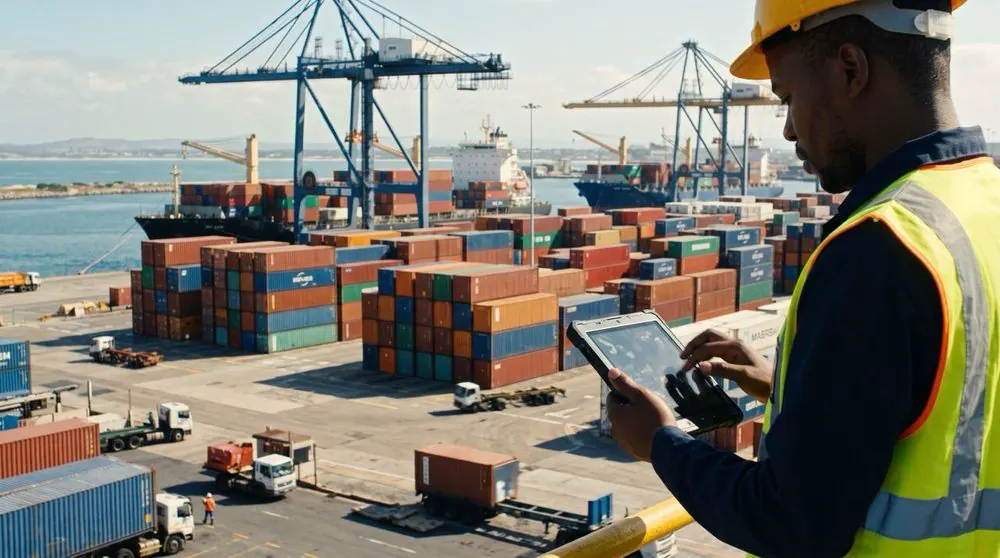
South African businesses are increasingly turning to digital tools to streamline their supply chain distribution. According to a report by Standard Chartered, 90% of businesses in the country rely on digital tools to counter and mitigate disruptions across the supply chain. This trend is driven by the need to build trade resilience and navigate the complexities of the trading environment. The report notes that 59% of respondents consider digital transformation a recurring priority.
The adoption of digital tools is seen as crucial for South African businesses to scale and promote themselves globally. Chris Egberink, Group Chief Executive and Head of Banking & Coverage, South Africa, at Standard Chartered, emphasizes the importance of connecting digital capabilities across trade, treasury, and supply chains. This integration will enable businesses to have a clearer view of cash, risk, and inventory, reducing friction in cross-border transactions and managing foreign exchange and liquidity risks more effectively.
Artificial intelligence (AI) is playing a significant role in this digital transformation. Mick Amelishko, AI Advocate at Sumsub, explains that the next step in AI adoption is the shift towards "agentic" AI, which can access the external world, interact with other digital products, and make independent purchases. This technology has the potential to revolutionize the way South African businesses operate, enabling them to respond faster to disruptions and make more informed decisions.
The use of digital tools and AI is not limited to large enterprises. Small and medium-sized businesses are also adopting these technologies to improve their supply chain efficiency. The Standard Chartered report notes that the faster South Africa adopts digital tools, such as AI, across the board, the better positioned local businesses will be to compete globally.
The benefits of digital transformation are clear, but there are also challenges to be addressed. One of the key challenges is the integration of different systems and technologies. Egberink notes that closing integration gaps will be crucial for businesses to reduce friction in cross-border transactions and manage foreign exchange and liquidity risks more effectively.
Despite these challenges, the future of digital transformation in South Africa looks bright. The country's businesses are already using digital tools to respond faster to disruptions, and the adoption of AI and agentic technologies is expected to accelerate in the coming years. As Amelishko notes, the shift towards agentic AI will enable businesses to make more informed decisions and respond to changing market conditions.
The use of digital tools and AI is set to have a significant impact on the South African economy. By improving supply chain efficiency and enabling businesses to compete globally, digital transformation has the potential to drive economic growth and job creation. As the country continues to adopt digital technologies, it is likely that we will see new opportunities emerge for businesses and individuals alike.
Key points
- South African businesses are adopting digital tools, AI, and agentic technologies to mitigate supply chain disruptions and build trade resilience.