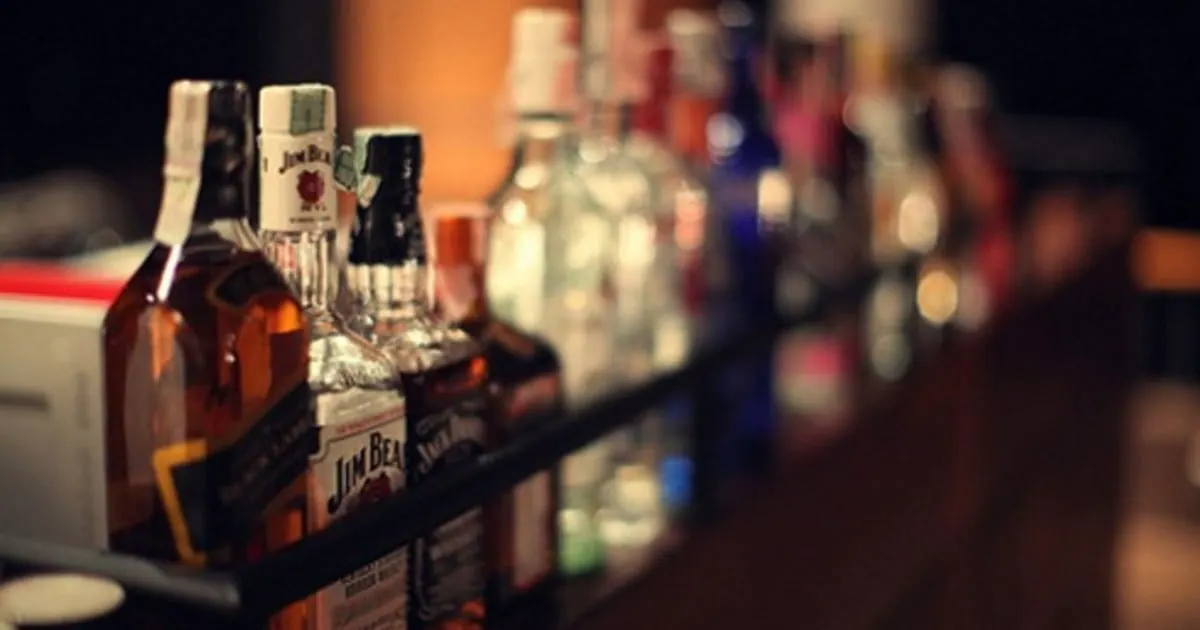
The South African Alcohol Policy Alliance (SAAPA) has called for a pause on issuing new liquor licences in the wake of recent mass shootings in Gauteng and the Western Cape. The shootings, which claimed 28 lives, have renewed concerns about the regulation and monitoring of liquor establishments, particularly in residential areas. SAAPA campaign director Nomcebo Dlamini stated that authorities currently do not have a clear enough picture of how many alcohol outlets are operating in communities.
According to Dlamini, the lack of oversight has led to a proliferation of liquor establishments, especially in poor and vulnerable communities. Research conducted with the University of the Witwatersrand across South Africa, Namibia, Lesotho, and Botswana found a link between high concentrations of alcohol outlets and increased incidents of gender-based violence (GBV). The study revealed that areas with a high number of taverns and liquor outlets experience higher rates of GBV.
The recent mass shootings have highlighted the need for urgent action to regulate liquor establishments. Dlamini emphasized that the operation of these establishments can no longer be allowed, especially in areas where communities are already vulnerable. The South African government has been criticized for delaying the implementation of the Liquor Amendment Bill of 2016, which aims to introduce stricter controls around the proximity of liquor outlets to communities.
The Liquor Amendment Bill of 2016 is seen as a crucial piece of legislation that could help regulate the liquor industry. Dlamini pointed out that without this legislation, authorities are relying on standard operating procedures, making enforcement difficult. The bill's implementation is expected to provide a framework for regulating liquor outlets and reducing the risks associated with their operation.
The call for a pause on new liquor licences has been made in the context of a broader effort to address GBV in South Africa. President Cyril Ramaphosa is set to address the nation on the GBV scourge, and the issue is expected to be high on the agenda. The government has faced criticism for its handling of GBV, and the recent mass shootings have added to the pressure to take action.
The South African government has taken steps to address the issue of GBV, including the establishment of a multi-disciplinary team to probe the Lwandle mass shooting. The team is expected to investigate the causes of the shooting and provide recommendations for preventing similar incidents in the future. The government has also faced criticism for its handling of the economy, with Stats SA reporting a decline in formal jobs between March and June.
The debate around liquor licences and GBV is set to continue, with stakeholders calling for urgent action to regulate the liquor industry. The implementation of the Liquor Amendment Bill of 2016 and the establishment of stricter controls around liquor outlets are seen as crucial steps in reducing the risks associated with the operation of these establishments. The government faces pressure to take action to address the issue of GBV and regulate the liquor industry.
Key points
- SAAPA is calling for a pause on new liquor licences until authorities have a clear understanding of the impact of liquor outlets on communities.
- Research has linked high concentrations of alcohol outlets to increased incidents of GBV.
- The Liquor Amendment Bill of 2016 aims to introduce stricter controls around the proximity of liquor outlets to communities.