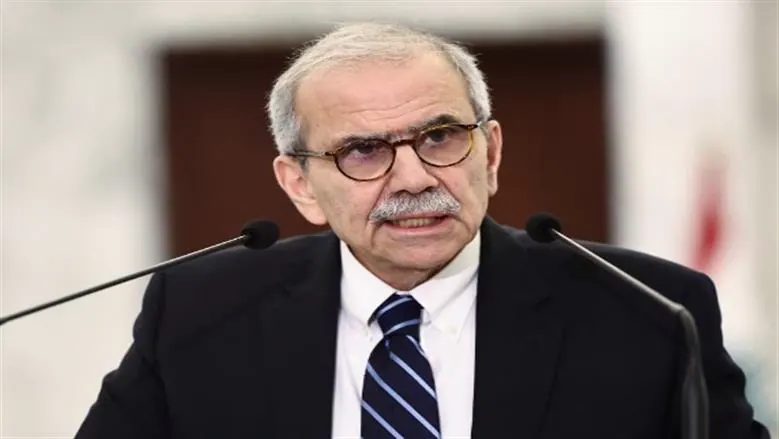
Lebanese Prime Minister Nawaf Salam recently stated that the exclusivity of weapons, or putting weapons solely in the hands of the state, must extend to areas south and north of the Litani River. This stance is part of a broader governmental effort to consolidate armament under state authority. Salam's comments, as reported by the Cairo News Channel, underscore the government's resolve to tackle the country's complex security challenges.
The Prime Minister's assertions come against a backdrop of heightened tensions in southern Lebanon. The region has experienced escalations in violence, prompting official Lebanese positions to stress the importance of securing the south and addressing the ongoing volatility. By emphasizing the state's role in security, Salam's government aims to bolster stability and reinforce the state's authority over its territory.
The issue of weapon exclusivity is deeply intertwined with the presence and influence of Hezbollah, a significant political and military force in Lebanon. The government's push for consolidating weapons under state control implicitly includes Hezbollah, indicating a broader strategy to integrate all armed groups under a unified national security framework.
Lebanon's efforts to manage its security landscape are part of a larger dialogue about the country's future and its ability to assert sovereignty. The government's approach to security, particularly in sensitive regions like those around the Litani River, reflects its commitment to establishing a comprehensive and inclusive national security strategy.
The international community has been closely watching Lebanon's developments, given the potential implications for regional stability. The Lebanese government's moves to address internal security challenges are seen as crucial steps towards preventing the escalation of conflicts and fostering a more secure environment.
In line with its security objectives, the Lebanese government has been exploring various strategies to engage different segments of society and armed groups in the national dialogue. This process aims to build consensus on key issues, including the role of weapons in the country and how to manage security effectively.
As Lebanon navigates its complex internal and external challenges, the government's emphasis on weapon exclusivity and state authority over armament signals a critical phase in its efforts to consolidate power and ensure national stability. The success of these initiatives will likely depend on the government's ability to engage various stakeholders and navigate the country's intricate political landscape.
Key points
- The Lebanese government is pushing for weapon exclusivity under state control, including in the south and north of the Litani River, and this policy applies to Hezbollah.