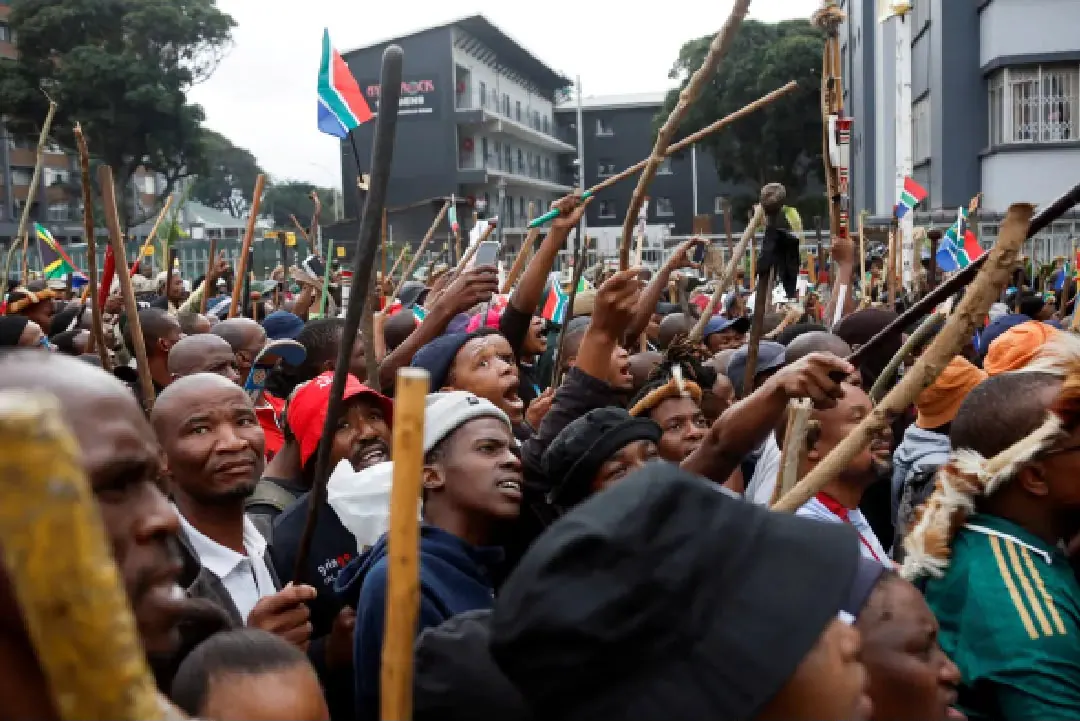
On October 7, 2026, the Confederation of Unions in South Africa, COSATU, organized nationwide protests and marches to mark the International Day for Decent Work. The demonstrations aimed to highlight the deteriorating working conditions and address growing pressures resulting from mass layoffs, non-compliance with the national minimum wage, and rising precarious employment. COSATU also targeted specific companies and institutions due to job cuts.
COSATU is demanding stricter monitoring of the minimum wage implementation, stronger enforcement mechanisms for labor laws, and accelerated recruitment of 10,000 additional labor inspectors. The call for more inspectors was initially made by President Cyril Ramaphosa in his February 2026 State of the Nation address. Furthermore, the union confederation is seeking government intervention to alleviate the sharp and record-high increase in fuel prices.
According to COSATU and official data, South Africa's economy has experienced sluggish growth, with an annual growth rate of just over 1%. Approximately 40% of workers earn below the legal minimum wage, amidst rising living costs, electricity prices, food prices, and transportation costs. These factors have contributed to widespread concerns about workers' ability to make ends meet.
The protests coincide with a significant rise in unemployment, with the official jobless rate increasing to 33.6% in the second quarter of 2026, up from 32.7% in the first quarter. This translates to 8.5 million people without employment. Youth unemployment, specifically among those aged 15-34, has surged to 47.4%, according to the national statistics agency. These trends have intensified demands for measures beyond wage increases, including job protection and support for households' purchasing power.
The South African government faces mounting pressure to address these socio-economic challenges. The COSATU protests reflect broader concerns about the country's labor market and economic growth. With rising costs of living and limited job opportunities, many South Africans are struggling to cope with financial hardships.
The nationwide demonstrations and marches organized by COSATU highlight the urgent need for policy interventions to address workers' concerns. Key demands include stronger labor protections, improved wages, and measures to stimulate economic growth and create jobs. The protests also underscore the critical role of organized labor in advocating for workers' rights and interests in South Africa.
As the South African government navigates these complex socio-economic issues, it will be crucial to engage with various stakeholders, including labor unions, businesses, and civil society organizations. Finding sustainable solutions to address workers' concerns, promote economic growth, and reduce unemployment will be essential for improving living standards and fostering a more equitable society.
Key points
- COSATU stages nationwide protests to demand better working conditions, job protection, and stricter enforcement of labor laws.
- South Africa's economy experiences sluggish growth, with an annual growth rate of just over 1%, and high unemployment, especially among youth.
- The protests reflect broader concerns about the country's labor market, economic growth, and the need for policy interventions to address workers' concerns.