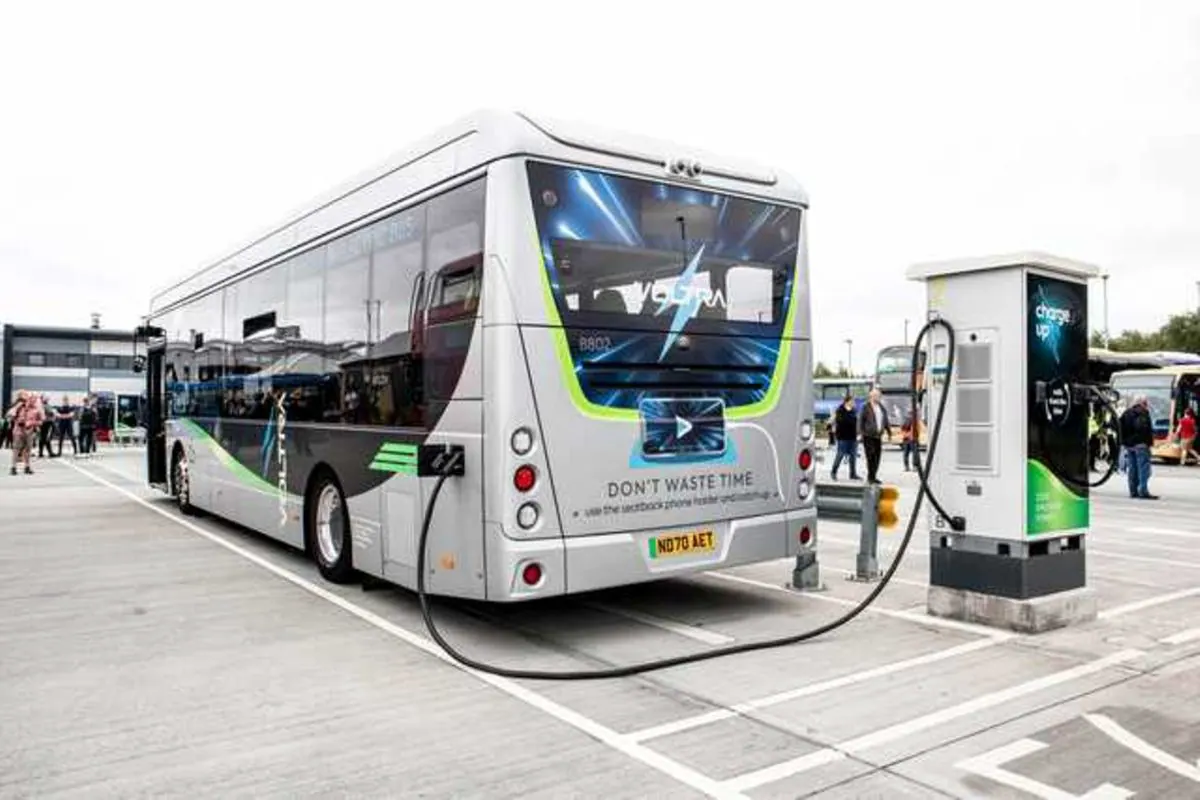
Many Kenyan companies still book staff transport as a welfare expense, defending it at budget time but with no expected return. However, electrifying this service and measuring its impact can help companies meet multiple mandates at once, including lowering emissions, retaining staff, hedging fuel costs, and producing evidence that can attract capital. This approach can help companies comply with upcoming reporting requirements, including IFRS S1 and IFRS S2, which will be mandatory for public interest entities starting January 1, 2027.
The Kenyan government has already set the direction for sustainable transportation, launching the National Electric Mobility Policy in February. The policy is accompanied by zero-rated VAT on electric buses and lithium-ion batteries and a dedicated e-mobility electricity tariff. Kenya's electricity grid is largely renewable, with around 80 percent of its power coming from renewable sources. However, the grid often sheds power it cannot sell, with 668.7 GWh curtailed in the year to June 2025.
Employee commuting is a significant contributor to emissions, sitting within Scope 3 Category 7 of the IFRS S2 framework. Companies can redesign this category outright, and electrifying staff transportation can help reduce emissions. Private vehicles currently carry 64 percent of Nairobi's traffic volume, while moving only 22 percent of its commuters. Electric shuttles charged overnight can take advantage of surplus renewable power and the lowest tariff rates.
A single procurement decision to electrify staff transportation can touch five mandates together: emissions inside Scope 3, employee welfare and safety, exposure to a fuel bill set outside the country, and demand placed on the grid when it is cheapest to serve. However, the compounding benefits are not automatic and require careful planning, including measuring the service and ensuring high occupancy and efficient route design.
Kenyan companies can draw capital from climate funds, development finance institutions, and banks lending against electric buses on terms that diesel does not attract. The Nairobi Securities Exchange has noted that close to 40 percent of foreign investors now weigh ESG compliance in their decisions. A company that can evidence its own eco-friendly programme is better positioned to attract capital from these investors.
The return on investment in electrifying staff transportation can be significant, particularly in terms of employee retention and attendance. Salary bands are widely known and quickly copied, but a safe ride home at three in the morning is a unique benefit that can show in attendance, overtime, and attrition rates, particularly among women working nights.
To unlock the benefits of electrifying staff transportation, companies should consider three key decisions: buying commuting as a service rather than disbursing it as cash, specifying electric vehicles and requiring performance reporting, and starting with shifts that are hardest to staff and where the energy arithmetic is most favourable. By taking these steps, companies can meet multiple mandates at once and attract capital from investors who value ESG compliance.
Key points
- Kenyan companies can unlock capital by electrifying staff transportation and measuring its impact on emissions and employee welfare.
- The Kenyan government has set the direction for sustainable transportation through the National Electric Mobility Policy.
- Electrifying staff transportation can help companies meet multiple mandates at once, including lowering emissions, retaining staff, and attracting capital.