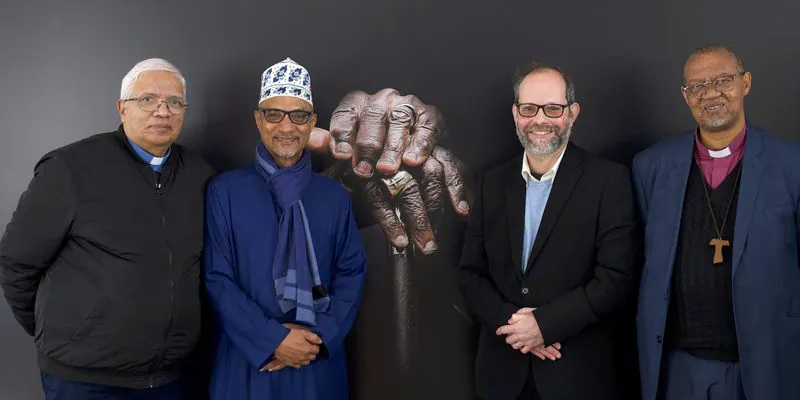
The Newlands/Claremont Heritage, Environmental Justice and Restitution Society (NCHERS) is set to undertake its fifth annual Walk of Remembrance on September 24, commemorating the forced removals of families from Newlands and Claremont during the apartheid era. This symbolic act of resistance aims to keep the memories of a lost community alive. The walk is not an exercise in nostalgia but a reminder of the traumatic impact of apartheid policies on families and neighborhoods. NCHERS was founded by St Saviour's Anglican Church and the Claremont Main Road Masjid, which stand as testaments to a community that once thrived on coexistence.
The dispossession of Newlands and Claremont has its roots in colonial conquest, but it was the Group Areas Act and forced removals of the 1960s that ultimately scattered families across the Cape Flats. The Walk of Remembrance seeks to honor the memories of those who were forcibly removed and to highlight the importance of restitution. For many, the areas from which they were removed remain an integral part of their identity and heritage. NCHERS' efforts aim to bring attention to the ongoing struggles of these communities and to push for justice and restitution.
This year's walk will begin at the Newlands Cricket Ground and follow a route marked by three significant stops. The first stop, Draper Square, will honor the memories of families and institutions that once flourished in the area, including Talfalah Primary School and the Orpheum Bioscope. The second stop, outside the Stegman Road Masjid, will pay tribute to Imam Abdullah Haron, who resisted the forced removals and was killed in an apartheid detention cell on September 27, 1969. The third stop, at the Cape Town Athenaeum, will recognize the intellectual hub that once existed in the area.
The Cape Town Athenaeum was a meeting place for the Teachers' League of South Africa and the Non-European Unity Movement, which played a crucial role in the fight against apartheid. The Unity Movement's philosophy of non-collaboration and boycott presented a rigorous intellectual challenge to the apartheid regime. The walk will also highlight the contributions of key figures, such as RO Dudley, a prominent teacher and member of the Teachers' League. His son, Russell Dudley, now chairs NCHERS, alongside Fatima Haron-Masoet, daughter of Imam Abdullah Haron.
The walk is not only about remembering the past but also about making a statement against the erasure of history. By walking through the streets, participants aim to make the invisible visible again and to emphasize the need for restitution. The event will culminate in a gathering at the Newlands Cricket Experience Museum, where journalist and author Dougie Oakes will reflect on the role of sport in anti-apartheid resistance.
The gathering at the museum will focus on the non-racial South African Council on Sport and its founder, Hassan Howa, who championed the principle "no normal sport in an abnormal society." This moral clarity is seen as essential in the ongoing fight for justice and equality. By keeping the memories of the past alive, NCHERS and its supporters hope to push for a more equitable future.
As South Africa continues to grapple with its complex past, events like the Walk of Remembrance serve as a poignant reminder of the need for healing and restitution. The walk is a testament to the resilience of communities that have been impacted by apartheid policies and a call to action for those who benefit from the current state of affairs to acknowledge and address the historical injustices.
Key points
- The Walk of Remembrance aims to honor the memories of families forcibly removed from Newlands and Claremont during the apartheid era and to push for restitution.