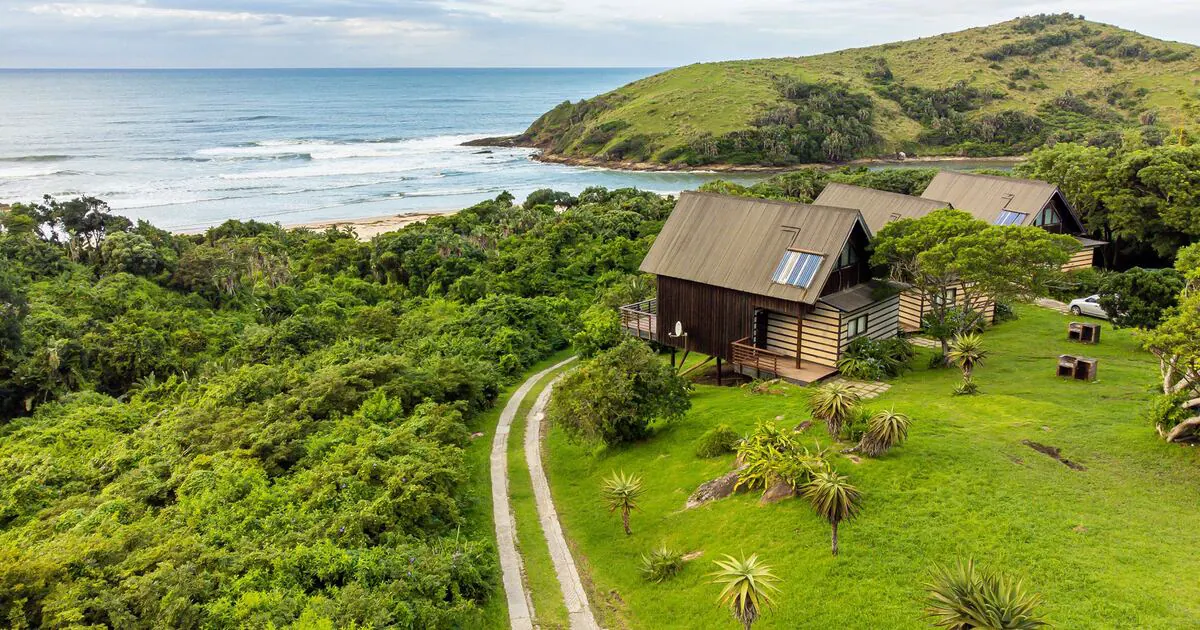
South Africa's tourism industry is facing significant challenges in attracting visitors from key markets, particularly China and India. According to a report by BDO, the country lost out on R6.5bn in foreign spend last year, with Chinese arrivals reaching only 18,000 for the first seven months of 2026, a 67% decline from 2019 levels. Despite the introduction of the trusted tour operator scheme and electronic travel authorisation system, South Africa continues to struggle to attract tourists from these crucial markets.
The BDO report highlights that Morocco and Tunisia have become more appealing to tourists, with South Africa losing ground. A decade ago, Morocco and South Africa welcomed around 10-million visitors each, while Tunisia had 5.7-million. However, last year, Morocco welcomed 17-million visitors, South Africa had 10-million, and Tunisia had 11-million. This shift in tourist preferences has significant implications for South Africa's tourism industry and economy.
The South African government has made progress in implementing visa reforms, with half of the reforms met and the rest on track to meet their objectives. The introduction of the trusted tour operator scheme has enabled visa applications to be finalised in five days, supporting the issuance of visas for over 77,000 tourists from China and India. However, limited direct flights and the Middle East geopolitical crisis have compounded the challenge, leaving South Africa increasingly disconnected from the world's fastest-growing source markets.
The Operation Vulindlela progress report notes that significant progress has been made in areas such as visa reform. However, BDO's Lee-Anne Bac says that achieving the target of attracting 15-million tourists by 2030 and creating 1-million direct jobs from the sector will not be easy without decisive intervention in some of the bottlenecks in the system. The tourism industry in South Africa has changed significantly since the country's heyday in 2018 and 2019, and players need to adapt their strategies accordingly.
The BDO report also highlights intracountry nuances, with Cape Town continuing to be the mainstay of South Africa's tourism industry, while Johannesburg continues its downward spiral. Five-star hotels in Cape Town are achieving average room rates of R6,530, against Sandton's R1,900. This disparity in performance highlights the need for targeted strategies to address the challenges facing different regions in South Africa.
Lee-Anne Bac says that structural rather than cyclical pressures define the tourism landscape now. Competition is more aggressive, coming from previously unrecognised countries and regions. This raises questions about whether South Africa is appropriately structured to cope with these changes. Bac suggests that a national campaign is needed to improve Brand South Africa's image on the global stage, which goes beyond tourism and is essential for investment and economic growth.
The tourism industry in South Africa faces significant challenges, but there are opportunities for growth and development. To address these challenges, the industry needs to adapt to changing market trends and preferences. A coordinated effort from government and industry stakeholders is necessary to improve South Africa's competitiveness as a tourist destination and achieve the target of attracting 15-million tourists by 2030.
Key points
- South Africa's tourism industry lost out on R6.5bn in foreign spend last year.
- Morocco and Tunisia have become more appealing to tourists, with South Africa losing ground.
- The country needs a national campaign to improve Brand South Africa's image on the global stage.