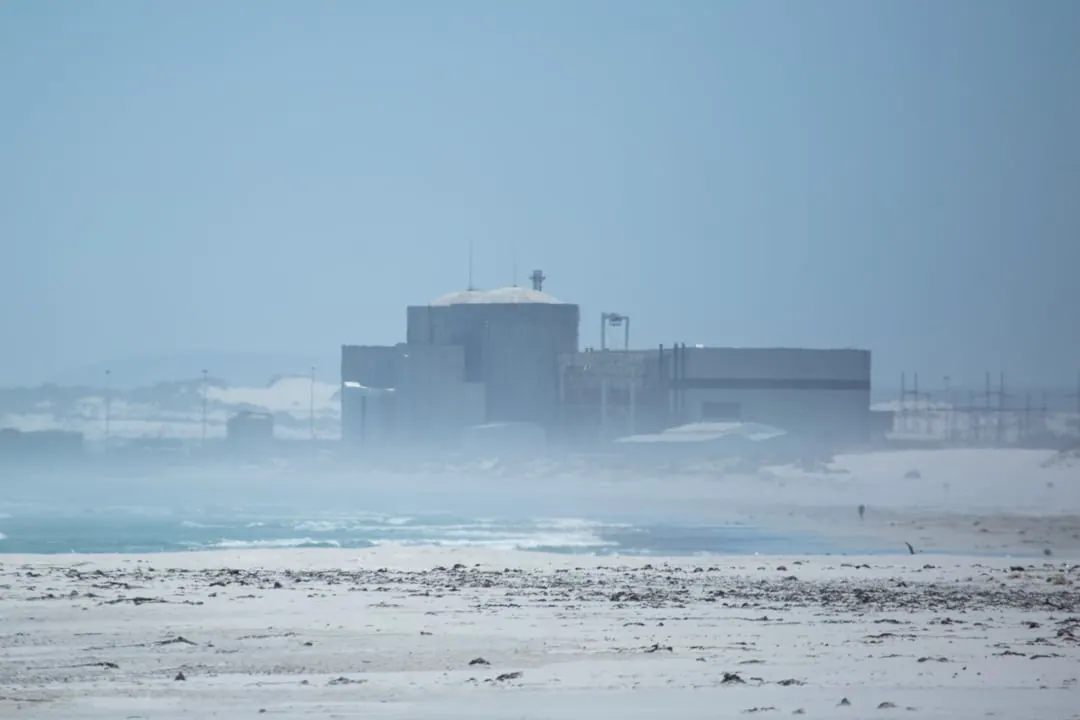
The Thuyspunt nuclear project in South Africa has reached a significant milestone, moving closer to the environmental impact assessment phase. This development marks a crucial step in the project's progression. The Koeberg nuclear power plant, located in Melkbosstrand, has been operational for approximately 40 years. As the country explores new nuclear energy opportunities, the Thuyspunt project is gaining momentum. Environmental impact assessments are a critical component of the project's evaluation process.
The Thuyspunt project aims to expand South Africa's nuclear energy capacity. The initiative has garnered attention from various stakeholders, including environmental groups and local communities. As the project advances, it is expected to undergo rigorous environmental scrutiny. This assessment will evaluate the potential effects of the project on the surrounding ecosystem and communities. The South African government has emphasized the importance of ensuring that the project adheres to environmental regulations.
The environmental impact assessment phase is a critical step in the project's development. This phase will involve extensive research and evaluation of the project's potential effects on the environment. The assessment will consider factors such as air and water pollution, noise pollution, and the impact on local wildlife. The project's proponents will be required to submit a comprehensive environmental impact assessment report, which will be reviewed by regulatory authorities.
The Thuyspunt project has sparked debate among stakeholders, with some expressing concerns about the potential environmental risks. However, proponents of the project argue that nuclear energy can play a crucial role in reducing South Africa's reliance on fossil fuels. The country has set ambitious targets to reduce its carbon emissions, and nuclear energy is seen as a viable option. The project's outcome will have significant implications for South Africa's energy landscape.
The South African government has reiterated its commitment to ensuring that the project is executed in an environmentally responsible manner. The Department of Environmental Affairs will oversee the environmental impact assessment process, ensuring that the project complies with relevant regulations. The assessment will provide valuable insights into the project's potential effects, enabling informed decision-making.
The project's progression to the environmental impact assessment phase is a significant development in South Africa's energy sector. As the country seeks to diversify its energy mix, nuclear energy is being considered as a viable option. The Thuyspunt project has the potential to contribute to South Africa's energy security, but its environmental implications must be carefully evaluated.
Key stakeholders, including environmental groups and local communities, will play a crucial role in the project's evaluation process. Their input will be essential in ensuring that the project's environmental implications are thoroughly assessed. The project's outcome will have far-reaching implications for South Africa's energy sector and the environment.
Key points
- The Thuyspunt nuclear project in South Africa has progressed to the environmental impact assessment phase.
- The project aims to expand South Africa's nuclear energy capacity and reduce its reliance on fossil fuels.
- The environmental impact assessment phase will evaluate the project's potential effects on the surrounding ecosystem and communities.