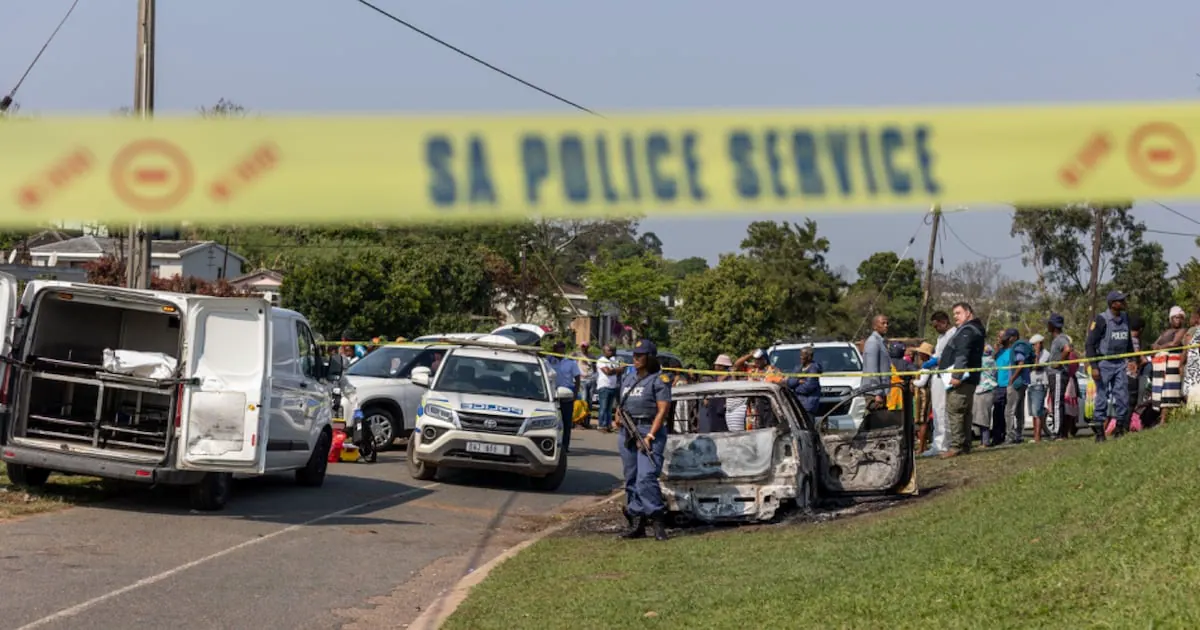
South Africa is grappling with the harsh reality of crime, as evident in the recent discovery of several women's bodies in Ekurhuleni. The police are investigating the cases, but it remains unclear if they are linked. The incidents have sparked concerns about the nation's ability to cope with the escalating crime rate. Behind the statistics are families, friends, and colleagues who are left to pick up the pieces. The community is urged to come together to find solutions to this growing problem.
The impact of crime on individuals and communities is multifaceted. Many people have developed coping mechanisms, such as checking if their cars are locked and avoiding certain areas at specific times. These routines have become an unfortunate norm in South Africa. The country has become too good at surviving crime, with citizens adapting to the situation rather than demanding change. This resilience, while admirable, should not be mistaken for acceptance of the status quo.
A recent personal experience highlights the complexities of dealing with crime in South Africa. ITUMELENG MPETE, an employee of Unisa, had his laptop and belongings stolen from his vehicle during the International Conference on Public Administration and Development Alternatives Annual Conference in Durban. Despite the initial shock, Mpete received overwhelming support from his colleagues, who rallied around him, providing a laptop and financial assistance. This display of Ubuntu, a concept emphasizing community and interconnectedness, was a heartwarming reminder of the nation's capacity for kindness.
However, Mpete cautions against romanticizing the resilience of South Africans in the face of crime. While community solidarity is essential, it should not be seen as a substitute for effective policing and functioning institutions. The kindness of colleagues and community members cannot compensate for the lack of adequate protection and support from authorities. The emotional cost of crime, including the loss of safety and increased vigilance, should not be underestimated.
The discovery of the women's bodies in Ekurhuleni has brought the issue of crime to the forefront once again. Mpete's experience, though personal, serves as a microcosm of the nation's struggle with crime. The country has two sides: one that takes and another that gives. The outpouring of support for Mpete is a testament to the goodness in South Africa, but it also underscores the need for a more comprehensive approach to addressing crime.
As the nation mourns the loss of those who have fallen victim to crime, there is a growing call to action. South Africans should not have to become experts at anticipating and preventing crime. The responsibility lies with authorities to create a safer environment for citizens. Ubuntu and resilience are essential, but they should not be relied upon as the sole means of coping with crime.
Ultimately, the goal is to build a country where survival is no longer a daily struggle for ordinary citizens. South Africa needs to move beyond merely surviving crime and work towards creating a safer, more secure environment for all. By acknowledging the complexities of crime and resilience, the nation can begin to address the root causes of the problem and strive towards a better future.
Key points
- The country needs to move beyond merely surviving crime and work towards creating a safer environment for citizens.
- Community solidarity and resilience are essential but should not be seen as substitutes for effective policing and functioning institutions.
- The emotional cost of crime, including the loss of safety and increased vigilance, should not be underestimated.