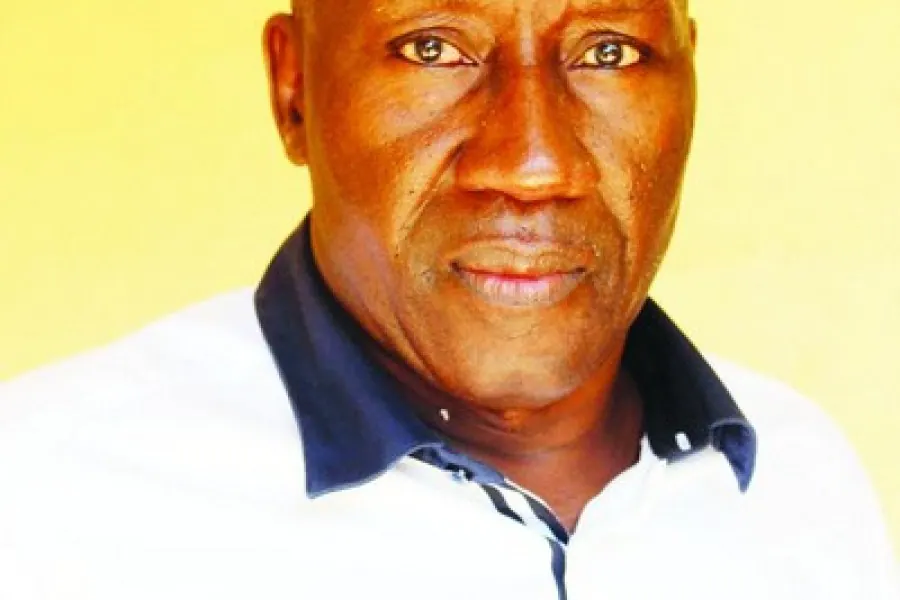
In a recent statement, Bourama Traoré, a former Malian international footballer known as "Allah ka Boura," emphasized the crucial role that former footballers can play in the revival of Malian football. According to him, those who have worn the national jersey are not just symbols of the past but are guardians of the country's football history and heritage. They possess valuable experience and knowledge acquired both on and off the field, which can be leveraged to contribute to the unity, reconciliation, and rebuilding of the national football system.
Traoré highlighted that the experience and legacy of former international footballers constitute a national asset that should not be ignored, especially during times of crisis. He stressed that these individuals are not merely relics of the past but are vital components in shaping the future of Malian football. Their contributions can help foster a sense of unity and shared purpose, essential for overcoming the current challenges facing the sport in the country.
The concept of "patrimoine national" or national heritage in football encompasses both tangible and intangible elements. Tangible aspects include stadiums, trophies, jerseys, archives, photographs, equipment, and historical documents. Intangible elements, on the other hand, comprise the history of national teams and clubs, legendary generations of players, former internationals, coaches, administrators, referees, values, traditions, and the collective memory of football. Former footballers are seen as custodians of this heritage, and their involvement is deemed critical in preserving and passing it on to future generations.
Traoré's call to action emphasizes the need for the inclusion of former footballers in discussions and decision-making processes related to the future of Malian football. This, he believes, is not a matter of privilege but of duty towards the nation and future generations. By engaging former footballers, the sector can tap into a wealth of experience and insights that can inform strategies for growth, reform, and sustainable development.
The principles of good governance and compliance are also crucial in the management of football, according to Traoré. He advocates for the promotion of values such as honesty, respect, discipline, transparency, and responsibility, both on and off the field. When these principles are upheld, football can progress, conflicts can be minimized, stakeholders can have greater confidence, and young players can benefit from a more promising future.
The message from Traoré and like-minded individuals is clear: the experience and expertise of former footballers should be harnessed to serve the cause of unity, reconciliation, and the rebuilding of Malian football. This generation has inherited a legacy and now has the responsibility to preserve, enhance, and pass it on to future generations. The involvement of former footballers can be a potent force in constructing a brighter future for the sport in Mali.
As Mali's football sector navigates through challenging times, the contributions of former footballers are being recognized as pivotal in charting a new course for the sport. Their role in preserving and promoting the country's football heritage, coupled with their potential to inspire and mentor young players, underscores the importance of their engagement in current efforts to revitalize and strengthen the national football system.
Key points
- Former Malian footballers are being urged to contribute to the revival of the country's football sector by leveraging their experience and knowledge.
- The involvement of former footballers is seen as critical in preserving and passing on the national football heritage to future generations.
- Good governance and the promotion of core values such as honesty, respect, and transparency are emphasized as essential in the management of football in Mali.