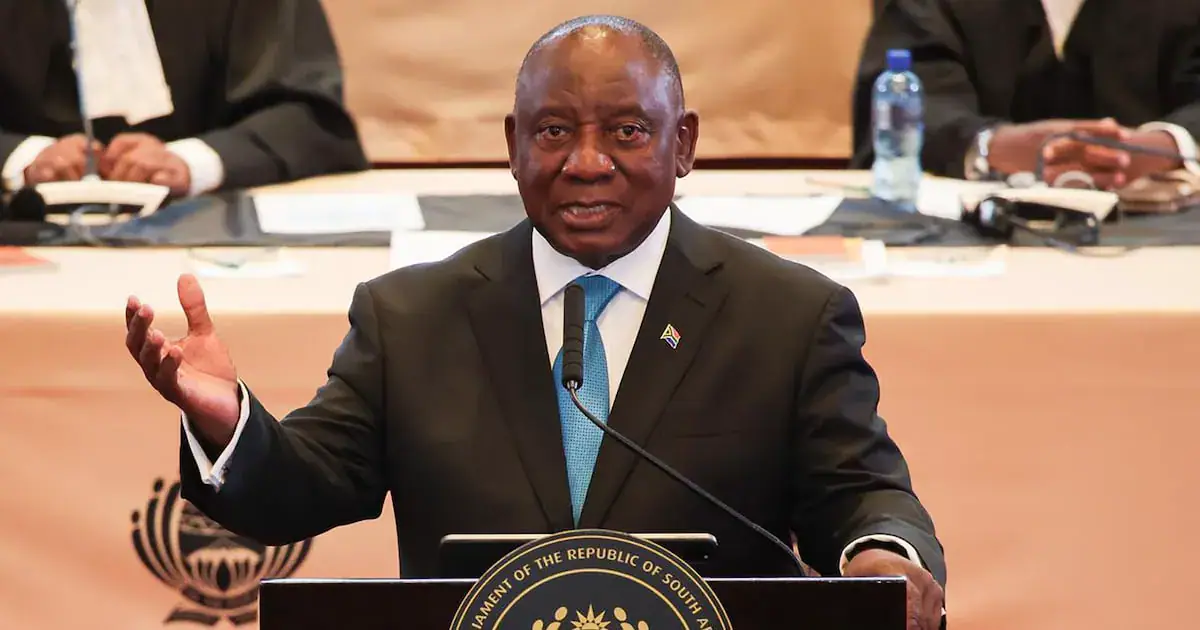
President Cyril Ramaphosa has decided to appoint an independent mediator to help resolve growing power clashes between ministers and directors-general in South Africa's government. This move comes amid increasing claims by ministers that they are being sabotaged by senior government officials in their departments. The mediator will facilitate the resolution of disputes, disagreements, and relationship breakdowns between ministers and directors-general.
The decision to appoint a mediator follows reports of rising conflicts between ministers and directors-general. The Democratic Alliance (DA) recently claimed that its ministers in the government of national unity were being sabotaged by officials. During the formation of the government of national unity, the DA had demanded a direct say in selecting directors-general in national departments assigned to DA ministers, but this was turned down by President Ramaphosa.
The appointment of the mediator will be done through an open tender process, with the terms of reference including facilitating the resolution of disputes between ministers and directors-general. The mediator's role will be to promote effective governance, professional working relationships, accountability, and the uninterrupted delivery of government programmes and services. The mediation process will be voluntary, and any settlement or agreement reached will be based on informed consent.
South Africa has a history of ministers clashing with directors-general, who are the de facto chief executives of departments. A recent example was the public spat between Basic Education Minister Siviwe Gwarube and Director-General Mathanzima Mweli over a lifestyle audit by the Special Investigating Unit. The DA has alleged that its ministers face internal resistance, leaks, and political sabotage as they attempt to reform mismanaged and neglected state institutions.
President Ramaphosa has the constitutional and legal power to appoint directors-general and make decisions regarding their career incidents in national departments. However, managing conflict between ministers and their directors-general has become increasingly challenging for Ramaphosa since the advent of the government of national unity. The president will now have the support of an independent mediator to resolve these disputes.
The Public Service Amendment Act and the Public Administration Management Amendment Act, signed into law by President Ramaphosa in April, aim to professionalize the public service by creating a clear legal separation between political leadership and administrative management. The laws prohibit directors-general and employees reporting directly to them from holding office in a political party and give them responsibility for recruitment and other human resource matters in their departments.
The mediation process is intended to promote effective governance, professional working relationships, accountability, and the uninterrupted delivery of government programmes and services. While parties may be directed by the president to participate in a mediation process, any settlement or agreement reached will be voluntary and based on informed consent. The Presidency believes that this process will help build internal capacity to handle disputes between executive authorities and heads of department.
Key points
- President Ramaphosa will appoint an independent mediator to resolve disputes between ministers and directors-general in South Africa's government.
- The mediator's role will be to facilitate the resolution of disputes, disagreements, and relationship breakdowns between ministers and directors-general.
- The mediation process aims to promote effective governance, professional working relationships, accountability, and the uninterrupted delivery of government programmes and services.
Reporting sources
- # 2 Ramaphosa to hire mediator to resolve ministers’ and DGs’ power clashes · The Sunday Times