Electricity generation in South Africa fell by 5.2% year on year in September, according to data released by Stats SA on Thursday. However, power production ticked up 0.4% from August, following declines of 0.1% and 0.4% in the previous two months. This recent data indicates a slight recovery in power generation, but overall, the sector continues to face challenges. The year-on-year decrease in power generation is a significant concern for the country's energy sector.
Seasonally adjusted power production was down 0.4% in the third quarter of 2026 compared with the second quarter, as per the Stats SA data. For the year to September, generation was down 6.9% at 163,747 gigawatt-hours (GWh) compared with 175,941GWh produced in the same period last year. This downward trend in power generation has implications for the country's energy security and economic growth. The decrease in power generation has been attributed to various factors, including aging infrastructure and a lack of investment in new capacity.
Despite the decline in power generation, electricity consumption in South Africa continued to rise, increasing by 1.5% year on year in September. However, consumption dipped by 0.9% on a monthly basis. The country's nine provinces received a total of 16,200GWh of electricity, representing a 1.6% increase. The exceptions were the Northern Cape, where delivery was down 21.7%, and KwaZulu-Natal, where it dipped 1.3%. These variations in electricity delivery highlight regional disparities in energy access and infrastructure.
Electricity inflows into South Africa jumped 78.4% year on year to 594GWh in September, while outflows fell 58.8% to 530GWh. The country's electricity sector is dominated by Eskom, which produces about 86% of the country's electricity. Independent power producers contribute about 10%-15% after the launch of the renewable energy independent power producer procurement programme in 2011. The Southern African Power Pool also plays a crucial role in facilitating electricity imports and exports.
At a recent forum, Electricity & Energy Minister Kgosientsho Ramokgopa emphasized the need for South Africa and Africa to expand electricity capacity and make power affordable to unlock industrialisation and benefit from growing demand for energy-intensive industries. He noted that the region has the mineral resources and renewable energy potential needed to support manufacturing but lacks sufficient electricity infrastructure. Ramokgopa highlighted that Africa's energy deficit remains a major obstacle, with about 600-million people on the continent lacking access to electricity.
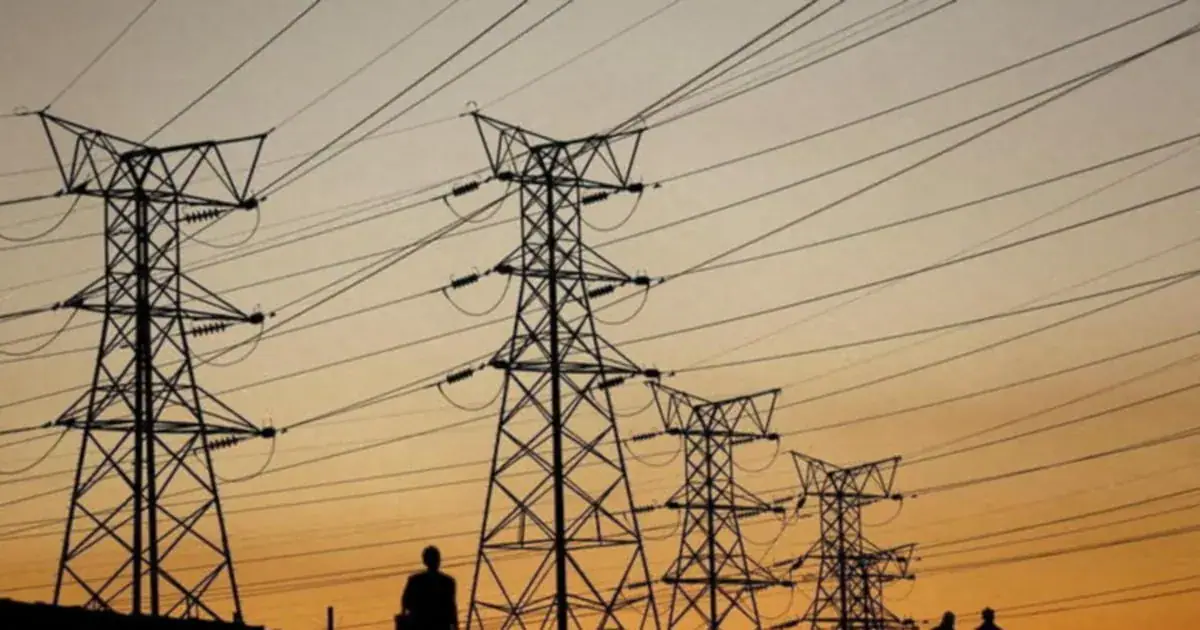
Ramokgopa also pointed to the opportunities presented by growing demand from data centres and AI, which could attract investment in South Africa. He cited the country's undersea cable connections, electricity generation potential, and renewable energy resources as key advantages. To address the energy challenges, South Africa plans to add 102GW of new generation capacity, with 60% expected to come from renewable sources. The country has also embarked on a R440bn programme to build 14,000km of new high-voltage transmission lines over the next decade.
The Integrated Resource Plan 2025, gazetted last year, seeks to accelerate the diversification of the country's energy mix, which is still dominated by coal, by expanding renewables, gas, and nuclear capacity while managing the gradual decommissioning of coal plants. This plan aims to ensure a more sustainable and resilient energy sector in South Africa. Key initiatives include increasing the share of renewable energy sources and improving the efficiency of the national grid.
Key points
- South Africa's power generation fell 5.2% year on year in September, while consumption rose 1.5%.
- The country plans to add 102GW of new generation capacity, with 60% expected to come from renewable sources.
- Africa's energy deficit remains a major obstacle, with about 600-million people on the continent lacking access to electricity.
Reporting sources
- # 4 Power generation fell 5.2% in September as consumption kept rising · The Rand Daily Mail