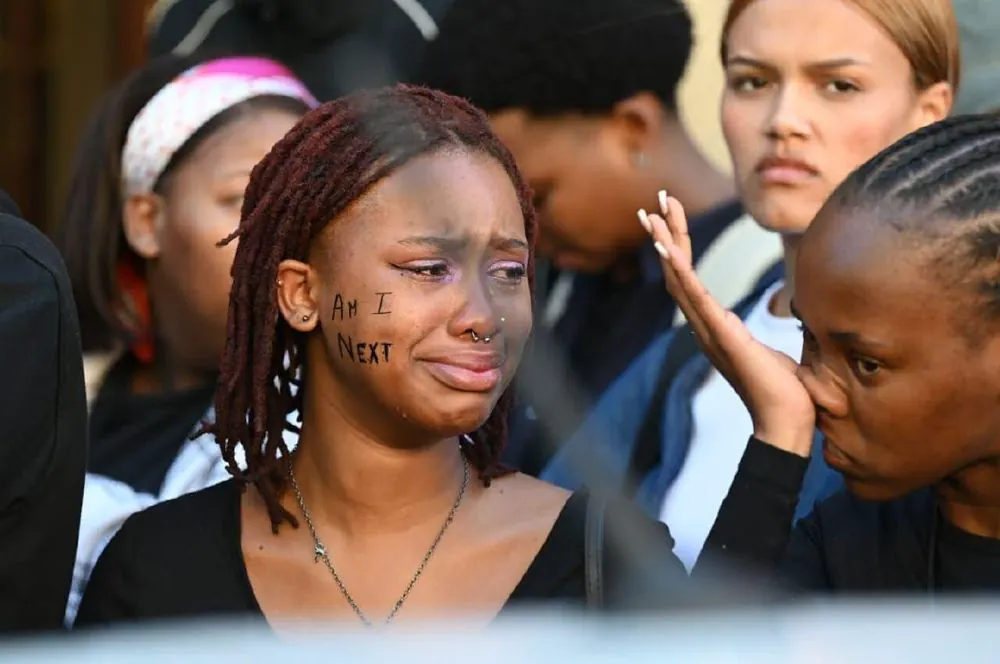
South Africa continues to grapple with the pervasive issue of gender-based violence and femicide (GBVF). On September 16, 2026, hundreds of South Africans took to the streets in Cape Town to pay tribute to the nine women whose bodies were found in Ekurhuleni communities. The protests were sparked by the tragic discovery of the women's bodies in various locations, including Kempton Park, Pomona, and Clayville. The police are still investigating whether the cases are connected.
The protests highlight the growing frustration and desperation among South Africans, particularly women, who feel that the government has not done enough to address the issue of GBVF. Despite the government's efforts to classify GBVF as a national disaster in 2025 and establish a statutory council to coordinate and monitor the national response, the situation on the ground remains dire. The classification raised the level of state responsibility, requiring more than public condemnation, but the protests reveal that the situation has not changed since 2019.
The National Council on Gender-Based Violence and Femicide Act, passed in 2024, created a permanent statutory mechanism to coordinate and monitor the national response to GBVF. The Council held its inaugural meeting on August 31, 2026, but many argue that more needs to be done to address the issue. In 2023, members of the South African Women's Lawyers Association and emergency workers marched to the Union Buildings in Pretoria, demanding stronger government action against GBVF.
The issue of GBVF has also been highlighted through various marches and protests across the country. On August 10, 2023, the Nokusa Foundation and people with disabilities marched from King Dinuzulu Park to Durban City Hall, calling for an end to GBVF and greater employment opportunities. The march highlighted the intersectionality of GBVF and disability, emphasizing the need for a more inclusive approach to addressing the issue.
In 2022, the LGBTQ+ community and supporters marched from Durban City Hall to the Durban Magistrates' Court, demanding justice for murdered queer people and those affected by GBVF. The march highlighted the need for a national GBV response that includes LGBTQ+ people. Additionally, on March 8, 2022, Free Gender and civil society organizations marched to Khayelitsha's Site B Police Station after a murder case was struck off the court roll due to police failure to provide a docket.
The protests and marches have also highlighted the administrative failures that contribute to the perpetuation of GBVF. For example, on December 9, 2023, the Sydenham and Sherwood Community Policing Forum marched against GBV at Charles Hugo School, highlighting the need for community-based solutions to address the issue. The event moved the story from national policy to neighborhood policing, emphasizing the importance of community trust in addressing GBVF.
Key points
- The protests highlight the growing frustration and desperation among South Africans, particularly women, who feel that the government has not done enough to address the issue of GBVF.
- Despite the government's efforts to classify GBVF as a national disaster and establish a statutory council, the situation on the ground remains dire.
- The issue of GBVF has been highlighted through various marches and protests across the country, emphasizing the need for a more inclusive and comprehensive approach to addressing the issue.