South Africa is bracing for a perfect storm in the fourth quarter of 2026, with a municipal election that may destabilize efficient governance in several municipalities, many of which are already on the brink of collapse. The election and subsequent induction of new councillors may take months, leaving municipalities vulnerable to the developing El Niño climate phenomenon. Seasonal forecasts indicate below-normal rainfall and above-normal temperatures across much of South Africa from October 2026 to at least March 2027.
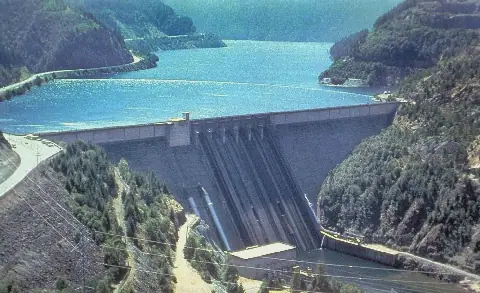
The incoming municipal councils will assume office with many councillors lacking basic skills, including reading and writing, which may hinder their ability to respond to the El Niño threat with the necessary urgency. The climate phenomenon poses significant risks, including drought, compound climate stress events, and potential Day Zero scenarios in some parts of the country. El Niño could deepen water and food insecurity, with reduced rainfall affecting dams and agricultural viability, leading to food security issues and economic hardship.
The Department of Agriculture has issued warnings about crop failure, livestock mortality, irrigation restrictions, and pests and disease under hot, dry conditions. The effects of El Niño will be far-reaching, with potential inflation and social-policy shocks. Poorer households, which spend a larger proportion of their income on food, will be disproportionately affected by rising food prices. The climate shock will thus become a social-policy shock, with significant implications for municipal governance.
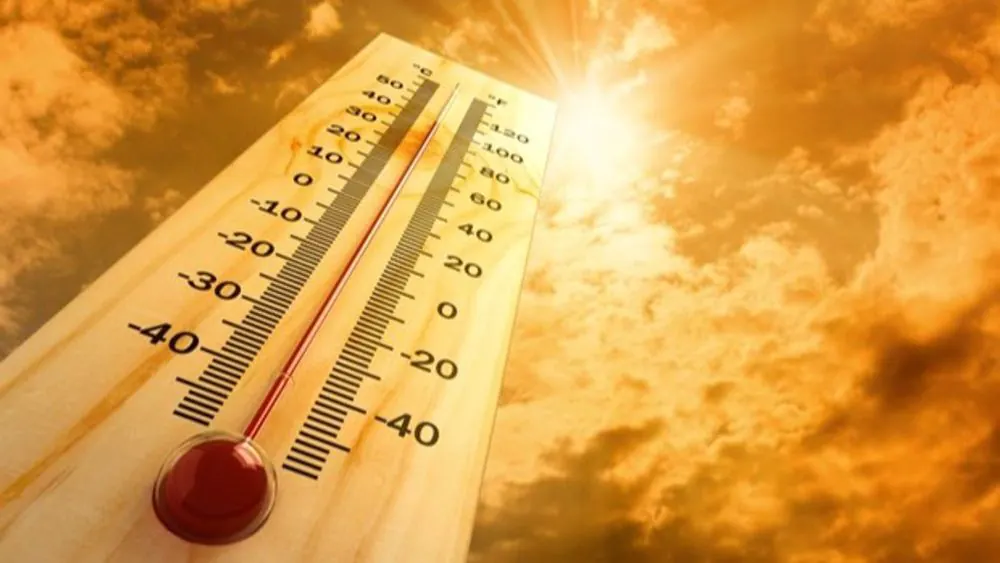
The El Niño phenomenon brings with it a rise in temperatures, which will intensify pressure on health and power systems. The South African Weather Service (SAWS) is warning that severe heatwaves are likely to occur more frequently if the expected rainfall deficit materializes. This will lead to heat-related illness and mortality, reduced productivity, increased cooling demand, stress on hospitals, and greater water consumption.
The power sector will face pressure from both sides: less water availability and greater electricity demand. The combination of El Niño and human-made warming will lead to increased fire danger, with hotter temperatures, dry vegetation, low humidity, and dry soils creating conditions in which veld fires can spread rapidly. This will be particularly devastating in informal settlements, where fires can quickly spread and cause significant damage.
The poorest South Africans will experience the effects of El Niño the worst, as they are most dependent on informal livelihoods, agriculture, livestock, and municipal services. They are also more vulnerable to food and water insecurity, and will be disproportionately affected by rising food prices and heat stress. Infants, young children, and older people will be particularly vulnerable to heat stress and dehydration.
As municipalities prepare for the impacts of El Niño, they will need to address the rainfall deficit, water restrictions, agricultural losses, higher food prices, heat stress, and increased demand for government assistance. This will require a significant investment in preventative expenditure, rather than reactive spending. The question remains whether those seeking municipal office are equipped to manage the economic and social consequences of El Niño, and whether they possess the necessary climate competency to govern effectively in a more volatile climate regime.
Key points
- Climate competency is now a more urgent qualification for political and community leadership.
- The El Niño phenomenon poses significant risks to South Africa's municipalities, including drought, compound climate stress events, and potential Day Zero scenarios.
- The poorest South Africans will experience the effects of El Niño the worst, due to their dependence on informal livelihoods and vulnerability to food and water insecurity.