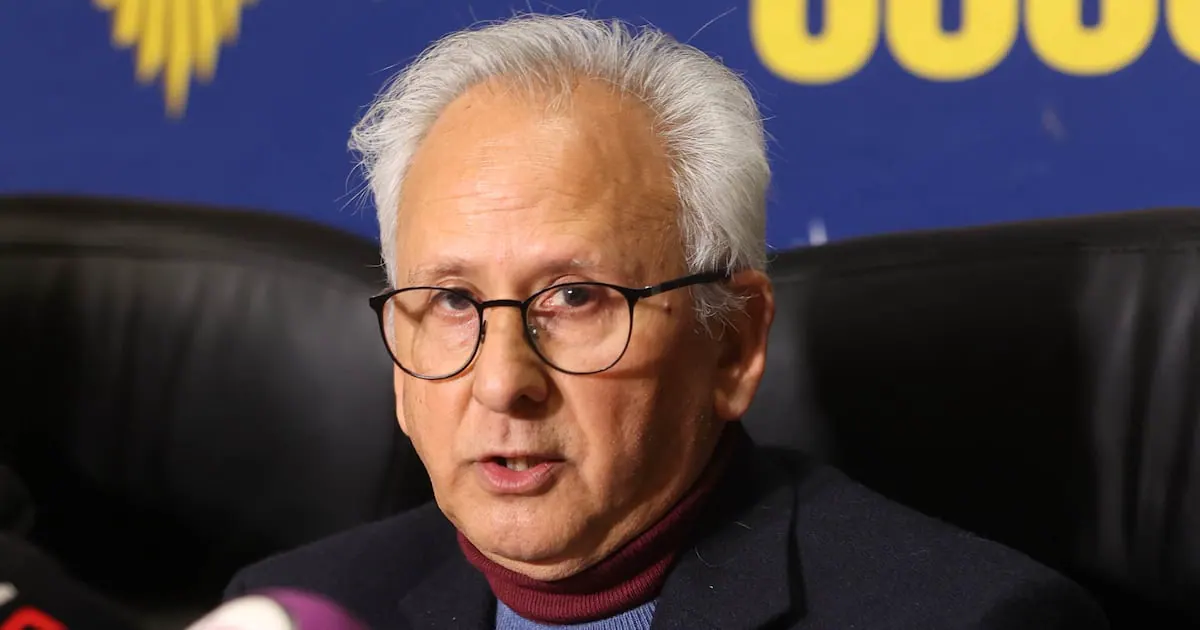
The Madlanga commission of inquiry, headed by former deputy chief justice Mbuyiseli Madlanga, is set to file its final report in January with detailed recommendations to overhaul the country's criminal justice system. The commission was established by President Cyril Ramaphosa after a press conference by KwaZulu-Natal police commissioner Nhlanhla Mkhwanazi revealed the extent of infiltration by the criminal underworld. The findings will expose the rot in the system and propose a new architecture to prevent the country from descending into a mafia state.
The commission's work was extended until January due to the scale of evidence and thorough handling of witness testimonies. The inquiry has revealed shocking evidence of collusion between non-state actors and law enforcement agencies. Some witnesses who testified have since been fired, suspended, and criminally charged, while others have allegedly been shot at and one has died. The commission has focused on three provinces: KwaZulu-Natal, Gauteng, and the North West, with tenders, drug trade, and turf wars intersecting with police involvement.
Three units of the police service - crime intelligence, finance/procurement, and human resources - appear to have been the main targets of criminal infiltration. The commission's proceedings have also revealed factionalization within the police service, citing the case of suspended national police commissioner Fannie Masemola. The Madlanga commission has dispelled cynicism about the effectiveness of such inquiries, with early results including imprisonments, suspensions, and prosecutions.
The National Prosecuting Authority (NPA) has dropped charges against Masemola and others, referring his case to the Independent Directorate Against Corruption (Idac) for further review. Idac, an offshoot of the Zondo state capture commission, has been a disappointment. Despite public doubts about its effectiveness, the Madlanga commission has restored public trust in such instruments.
The commission's work has not been without challenges, with witness unavailability and litigation causing delays. The inquiry has heard from witnesses who have revealed the extent of corruption and infiltration within law enforcement agencies. The public seems unconcerned about the costs of running the process, which are significant.
The Madlanga commission's success has raised questions about what comes after its work. The government has plans to tackle corruption, but implementation has been poor. The commission's model may provide a template for future efforts to combat corruption. The ideal army to fight corruption may require a different approach, one that acknowledges the complexity of the problem.
The Madlanga commission's work has been praised by the public, with Madlanga and his co-commissioners becoming public heroes. The commission's early results have been encouraging, and its work may have a lasting impact on the country's efforts to combat corruption. The Financial Action Task Force greylisting review will be closely watching the country's progress.
Key points
- The Madlanga commission's findings will expose the extent of rot in the criminal justice system and propose a new architecture to prevent the country from descending into a mafia state.
- The commission's work has restored public trust in such instruments, with early results including imprisonments, suspensions, and prosecutions.
- The government faces challenges in implementing plans to tackle corruption, and the Madlanga commission's model may provide a template for future efforts.