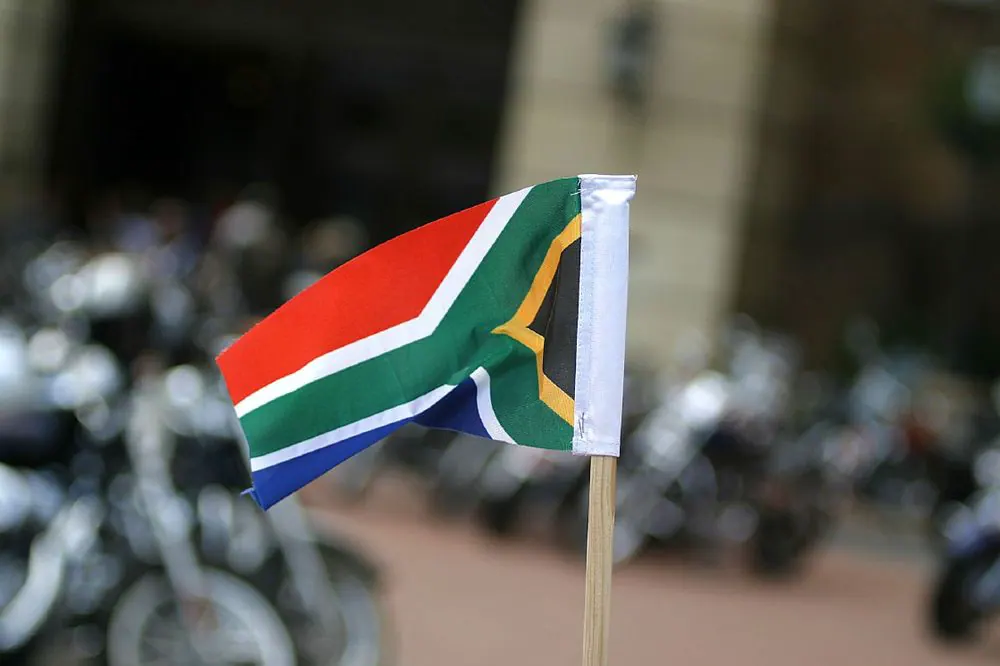
As South Africa celebrates Heritage Day, the nation reflects on its journey towards a more equal society. The country has made significant strides in providing opportunities for its citizens, particularly in education. A grandmother watching her grandchild graduate from university, for instance, sees the realization of a life she never thought possible. This moment represents more than just a personal achievement; it symbolizes the country's progress in overcoming its past.
South Africa's transformation from a society based on racial exclusion to one that values equal citizenship is a significant accomplishment. The country's constitution has played a crucial role in this transformation, providing a foundation for challenging injustice and demanding better. The universal adult right to vote, along with constitutional rights and protected freedoms, has given South Africans greater power to participate in public life. Citizens can now expose wrongdoing, organize their communities, and demand that institutions fulfill their responsibilities.
Material progress has also been made in South Africa. According to Census 2022, 94.7% of households use electricity as their main source of lighting, compared to about 58% in 1996. This expansion represents a substantial improvement in access to basic services. However, reliability and affordability remain essential questions that need to be addressed. An honest national account must acknowledge both the gains made and the responsibilities that remain.
The way South Africa tells its story matters. When every gain is overshadowed by the latest failure, it becomes difficult to recognize what has been accomplished. A confident country can acknowledge its progress while demanding more from its leaders. This demand should focus on what happens after a breakthrough. Celebrating the first graduate in a family, for instance, is essential, but it also highlights the need to make such achievements less exceptional.
For many families, the "first" in their history reflects generations of restricted opportunities. The next national achievement should make such breakthroughs more accessible. Progress becomes durable when one generation's extraordinary achievement becomes the next generation's ordinary possibility. The matric class of 2026 is approaching adulthood with unequal resources, connections, and choices. Encouraging them to dream is crucial, but building credible routes into further study, vocational training, employment, and enterprise gives that encouragement substance.
South Africa's commitment to its young people must endure beyond the celebration of their results. It should be visible in the support provided by colleges, employers, universities, and businesses. A matric certificate marks an achievement, but what follows tests the society that encouraged the learner to pursue it. This scenario requires a more careful consideration of inheritance and the unequal opportunities that young people face.
Sport offers a glimpse of what shared achievement can feel like in South Africa. The Springboks' Rugby World Cup title, Bafana Bafana's Africa Cup of Nations bronze medal, and the Proteas' World Test Championship victory gave South Africans moments of collective pride. The lesson for public life lies in the preparation behind those celebrations: patient development of talent, disciplined practice, capable leadership, and trust built around a common purpose.
Key points
- South Africa has made significant progress in providing opportunities for its citizens, particularly in education.
- The country's transformation from a society based on racial exclusion to one that values equal citizenship is a significant accomplishment.
- Material progress has been made, with 94.7% of households using electricity as their main source of lighting.