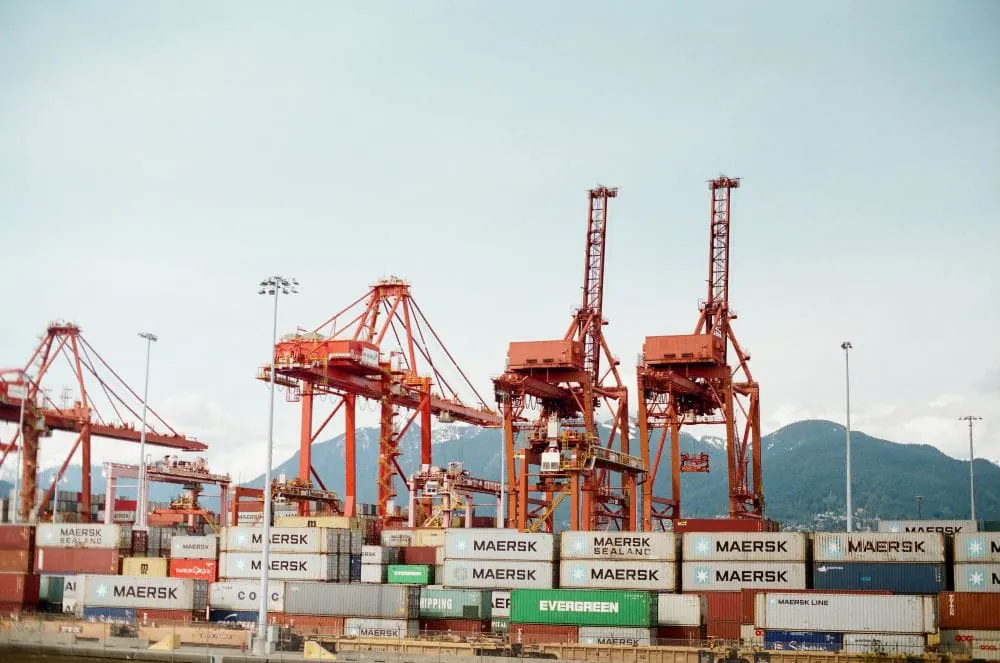
South Africa's economic growth is hindered by its limited manufacturing sector and reliance on exporting raw materials. According to Francois Fouche of Boundless World, a country with a larger local economy like South Africa needs to manufacture more goods for the export market. This is supported by economic literature, which shows that countries that become wealthier over time are those that produce more, a greater variety of more complex products, and do so competitively.
The Centre for Development and Enterprise (CDE) has also advocated for the importance of manufacturing in various research papers. Instead of protecting local manufacturers through localization, the CDE suggests that fundamental issues such as better infrastructure and the eradication of crime and corruption should be addressed. Donald MacKay, CEO of XA Global Trade Advisors, agrees that South Africa needs to get the basics right, including fixing its infrastructure and ensuring a reliable electricity supply.
The African Development Bank Group's latest index on industrialization highlights the importance of a strong manufacturing sector in achieving large-scale productive employment, diversifying exports, and strengthening economic resilience. International success stories, such as Vietnam's transformation from an agricultural economy to a manufacturing-driven economy, demonstrate the potential for countries to grow and develop through industrialization.
Poland's diversified manufacturing sector has grown significantly over the past 30 years, making it a crucial player in the European Union's economy. Ghana, Nigeria, and Kenya are also implementing ambitious initiatives to strengthen their manufacturing capabilities and downstream value addition. In contrast, South Africa's manufacturing sector faces significant challenges, including inadequate infrastructure and a lack of competitiveness.
Fouche notes that it is a serious problem in South Africa that every business is located within a municipality, most of which are in a dire state. To attract investment and promote economic growth, South Africa needs to create an economic development model that makes it easier for businesses to operate, manufacture goods, and access export markets. This requires addressing the underlying issues that hinder competitiveness, rather than relying on protectionism.
The use of tariffs to protect domestic industries is also a contentious issue. MacKay argues that tariffs do not build factories or create jobs, but rather increase the costs of imported products. While there may be cases where struggling industries require support, the use of tariffs to protect uncompetitive industries can lead to capital being diverted away from more productive uses.
Despite the challenges, experts agree that South Africa's future growth and development depend on its ability to boost manufacturing and exports. This requires a focus on addressing the underlying issues that hinder competitiveness, investing in infrastructure, and promoting a business-friendly environment. By doing so, South Africa can unlock its economic potential and achieve sustainable growth and development.
Key points
- South Africa needs to boost manufacturing and exports to achieve economic growth
- Addressing underlying issues such as infrastructure and competitiveness is crucial to promoting economic growth
- Protectionism and tariffs are not effective solutions to promoting economic growth