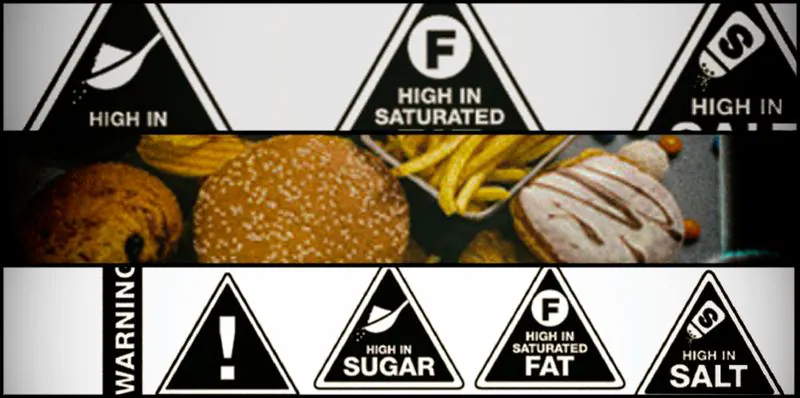
South Africa's proposed warning labels on sugary, salty and fatty foods have been delayed for over three years, with a revised draft unseen by the public and currently being debated behind closed doors at the National Economic Development and Labour Council (Nedlac). The health department claims it has reworked the labels to spare the industry unnecessary costs. The draft regulations, first published in April 2023, aim to introduce warning labels on packaged foods high in sugar, salt, and fat.
The health department received 6,000 pages of submissions from 179 companies and organizations during the public consultation process. A four-member technical team worked through the submissions, identifying issues requiring further consultation and possible amendments to the draft. However, the outcome of these submissions remains unclear to some participating organizations. Dr. Aisosa Omoruyi from Priceless SA stated that her organization has received no communication from the department explaining how the submissions were considered or incorporated into the regulatory process.
The delay has sparked concerns from civil society groups, who demand transparency in the process. Omoruyi added that Priceless SA has been unable to assess how the issues raised by stakeholders were considered or addressed in the subsequent process. The organization's concerns are shared by Section27, which wrote to President Cyril Ramaphosa in May 2026, warning that the referral of the draft regulations to Nedlac could further delay progress.
There is a dispute over how the draft regulations came to be considered by Nedlac. The Department of Health claims it was requested by the Nedlac Trade and Industry Chamber to table the regulations, while Section27 understands that the referral was made at the request of the President's office. This has raised concerns about the representation of public health interests in the process.
The discussions taking place inside Nedlac are not yet visible to the public, sparking concerns from civil society groups. Nedlac stated that its social partners are engaging with the proposed regulations and amendments, but it cannot provide information about the issues being discussed or the positions of the different constituencies while the process is underway.
The community sector's position within Nedlac has become another point of concern for civil society. Nzama Mbalati, CEO of the Healthy Living Alliance (Heala), stated that the community sector's participation in the chamber system is significantly more limited than that of the other three constituencies. This creates an imbalance, as community organizations and civil society groups do not have the same access to discussions in areas such as trade, industry, labour, and public finance.
The Healthy Living Alliance argues that this imbalance is particularly consequential for the proposed food warning labels. Mbalati described the result as a process that could, in practice, privilege the interests and negotiating power of the more extensively represented constituencies. The final draft of the regulations will be processed by legal services before submission to the health minister for publication.
Key points
- The proposed warning labels on sugary, salty and fatty foods aim to introduce warning labels on packaged foods high in sugar, salt, and fat.
- The delay has sparked concerns from civil society groups, who demand transparency in the process.
- The community sector's limited participation in Nedlac has raised concerns about the representation of public health interests.