South Africa's fast-food market is experiencing strong growth, with the quick-service restaurant (QSR) market valued at R45.5bn in 2025, according to a report by Trade Intelligence. This represents an increase of 11.4% from the previous year, making QSRs the largest and fastest-growing segment of the country's out-of-home food market. The growth is driven by consumers seeking convenient and affordable meals.
However, established fast-food chains are facing increasing competition from supermarkets, forecourts, and smaller food businesses. Trade Intelligence's definition of ready-to-eat food includes meals from supermarket and forecourt delis, as well as sandwiches, salads, and other food that can be eaten without preparation. This puts these businesses in direct competition with fast-food chains for the same meal occasions, with consumers weighing price and convenience.
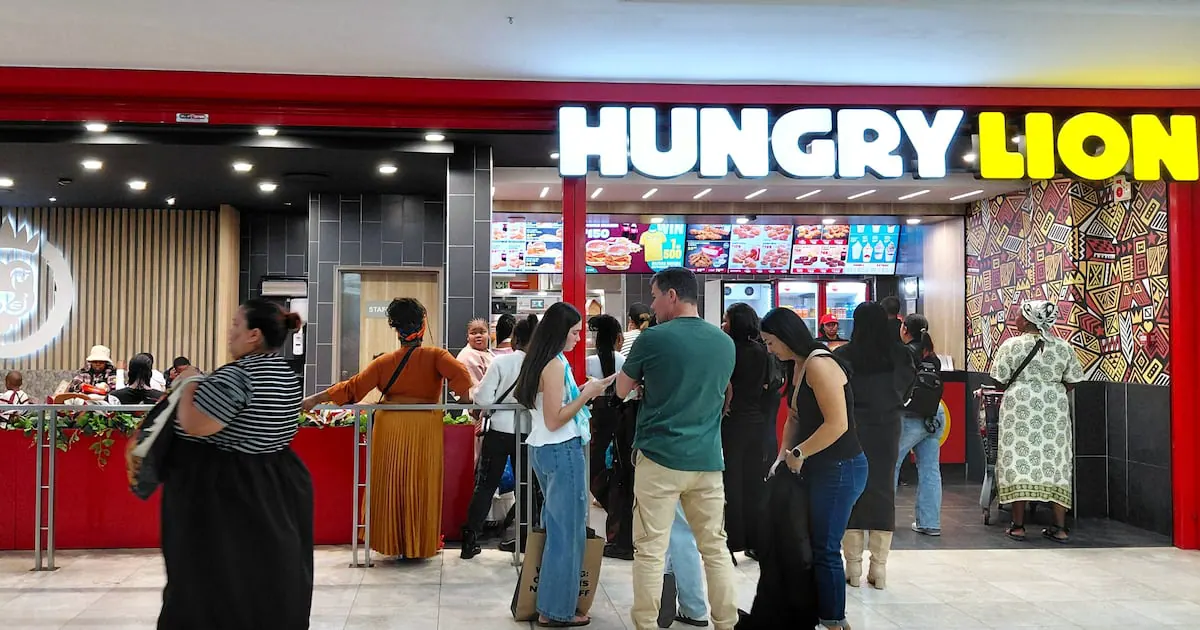
Value-focused brands such as Pedro's, Chicken Licken, and Hungry Lion are gaining ground in the fast-food market, according to Trade Intelligence. Pedro's, in particular, has more than doubled the number of consumers who visited its restaurants in the previous four weeks over the past three years. The growth is driven by consumers seeking value, which is broader than price alone and includes factors such as quality, convenience, and experience.
Burgers, hot chips, pizza, and chicken remain consumers' main fast-food choices, but tastes are broadening. Asian food and sushi, for example, are more strongly preferred by middle- and upper-income consumers. The wider choice means competition increasingly depends on the eating occasion, with consumers able to choose between a fast-food restaurant, supermarket deli, forecourt, or local food outlet.
Price sensitivity is also shaping consumers' choices, with economic pressures making them more conscious of what they spend. According to a report by Imarc, South Africa's fast-food market is expected to reach $8.3bn by 2034, representing compound annual growth of 2.6% in 2026-34. The researcher said urbanisation and changing lifestyles were supporting demand for convenient food, but economic pressures were making consumers more price-sensitive.
Convenience is increasingly about more than having a fast-food outlet nearby, with mobile ordering, payments, and delivery platforms giving consumers more ways to buy food. Operators are using loyalty programmes and digital promotions to attract and retain customers, while delivery is gaining traction, though collection remains more common. Trade Intelligence found that 53% of consumers who typically had ready-to-eat food delivered said they were doing so more often.
The shift towards digital channels has not displaced more traditional forms of influence, with word of mouth remaining the most widely used source of information about ready-to-eat food. According to Trade Intelligence's research and advisory services lead Caroline Short, shoppers are making trade-offs between price, quantity, quality, convenience, and experience. The customers' experience increasingly extends beyond the restaurant, with packaging, the condition of the food on arrival, and the delivery experience influencing how consumers view a brand.
Key points
- The South African fast-food market is expected to reach $8.3bn by 2034.
- Value-focused brands are gaining ground in the fast-food market.
- Price sensitivity and digital channels are shaping consumers' choices.