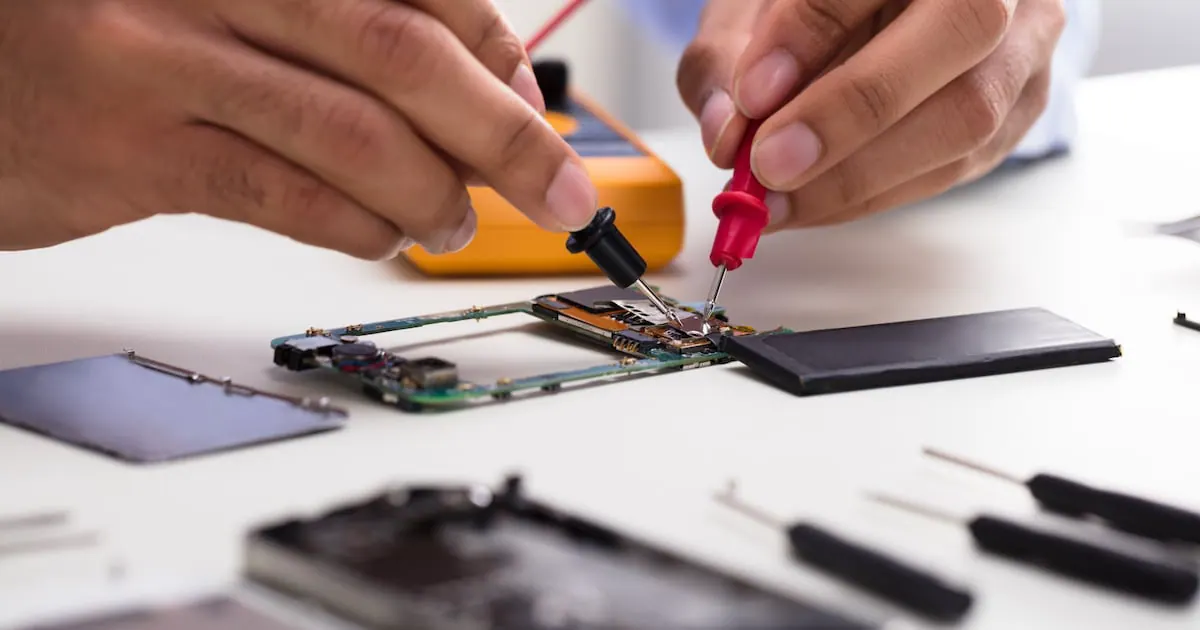
The Competition Commission of South Africa has published guidelines aimed at promoting competition in the after-sales repair of electronics and electrical appliances. The move is expected to increase consumer choice, promote fair competition, and provide access to more affordable and quality repair services. According to Siyabulela Makunga, spokesperson for the commission, fair competition among independent repair providers can lead to better services, more affordable repairs, and longer product lifespans.
The guidelines cover a wide range of products, including mobile phones, tablets, gaming consoles, audiovisual equipment, medical equipment, and backup power systems. The commission is particularly concerned about "restrictive agreements" that limit access to spare parts and transparency on prices charged for parts. These agreements, often between original equipment manufacturers (OEMs) and suppliers, can restrict independent service providers' ability to access spare parts, ultimately affecting consumer choices for repair and maintenance services.
The commission has identified that South African households spend over R200 billion annually on appliances and electronics. With mobile phone ownership nearly universal at 96.1% of households, the commission believes that promoting competition in the repair sector is crucial to protecting consumers from exorbitant prices. By increasing competition, the commission hopes to support the growth of small repair businesses, expand the market for refurbished products, and encourage new repair solutions.
One of the key areas the commission is targeting is the practice of OEMs prescribing minimum retail prices for spare parts and related software and tools. The guidelines state that OEMs may recommend retail prices if clearly labeled as such, but they may not dictate prices. The commission will prioritize investigation and enforcement of restrictions that prevent or lessen competition, as these can have a significant impact on consumer choices and market participation.
The guidelines have received mixed reactions from industry players. Corporate law firm Cliffe Dekker Hofmeyr has raised concerns about the guidelines, questioning the commission's approach to identifying a competition problem before designing a competition law solution. The firm argues that defining a market on a brand level may make it difficult to establish a basis for intervention in many aftermarkets on classic competition law principles.
Despite concerns, the commission remains committed to promoting competition in the repair sector. The guidelines encourage service providers to report instances where OEMs engage in anticompetitive conduct or frustrate their ability to provide services. By doing so, the commission hopes to create a more level playing field for independent repair providers and increase consumer choice.
The commission's move is part of a broader effort to promote competition and protect consumers in South Africa. With the guidelines now in effect, the commission will closely monitor the industry and take enforcement action where necessary. As the market continues to evolve, the commission's goal is to ensure that consumers have access to affordable, quality repair services and that small businesses can participate and grow in the economy.
Key points
- The Competition Commission aims to increase competition in the electronics repair sector to drive down prices and promote consumer choice.
- The guidelines target restrictive agreements that limit access to spare parts and transparency on prices charged for parts.
- The commission will prioritize investigation and enforcement of restrictions that prevent or lessen competition in the repair sector.