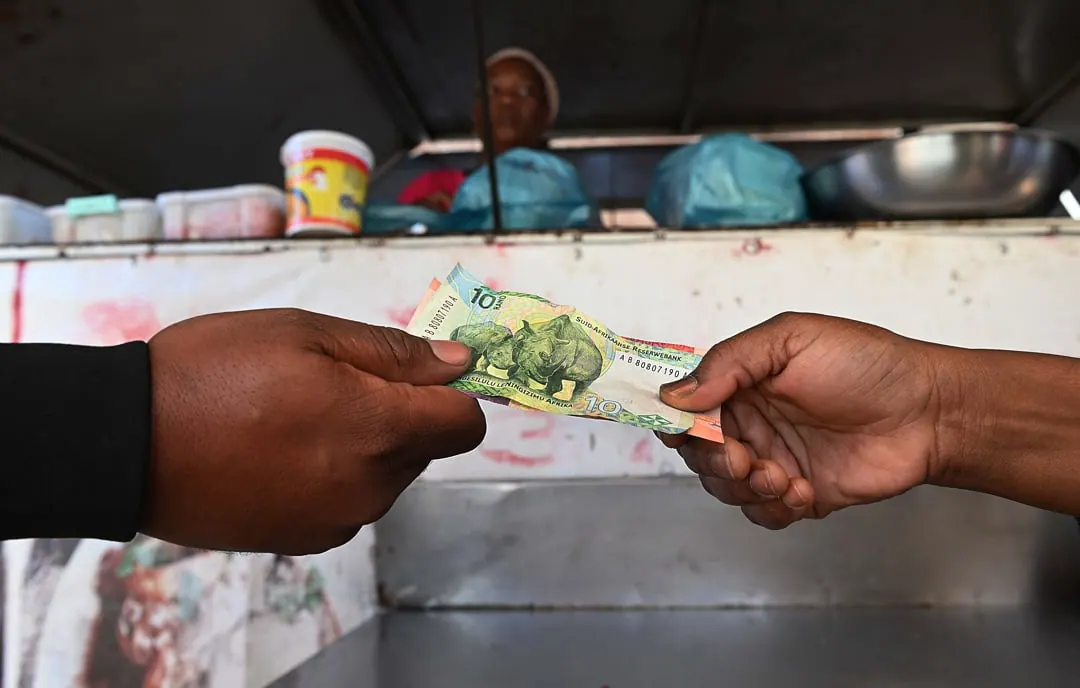
South Africa's aspiration for a cashless economy may not be realized if ordinary citizens are not encouraged to adopt digital payments. The country's economy is expected to greatly benefit from a cashless system, but the transition is proving to be a challenge. According to experts, the lack of incentives for citizens to switch to digital payments is a major obstacle. The South African government and financial institutions are exploring ways to promote digital payments and reduce the country's reliance on cash.
The use of digital payments in South Africa is still relatively low compared to other countries. Many citizens are hesitant to adopt digital payments due to concerns about security and the lack of access to digital payment systems. The South African government has launched several initiatives aimed at promoting digital payments, including the implementation of a national payment system. However, more needs to be done to encourage widespread adoption.
Digital fraud is a major concern in South Africa, with the country expected to experience the highest rate of digital fraud in Africa by 2025. This has led to increased skepticism among citizens about the security of digital payments. Financial institutions and government agencies are working to combat digital fraud and improve the security of digital payment systems.
The benefits of a cashless economy are numerous, including reduced transaction costs, increased financial inclusion, and improved economic growth. A cashless economy would also help to reduce crime and corruption, as digital transactions are more easily traceable. However, the transition to a cashless economy requires a coordinated effort from government, financial institutions, and citizens.
Several countries have successfully implemented cashless economies, with Sweden being a notable example. Sweden has made significant strides in promoting digital payments, with many businesses and consumers switching to digital payment systems. The country's experience provides valuable lessons for South Africa and other countries looking to adopt a cashless economy.
The South African government is working to promote digital payments through various initiatives, including the implementation of a national payment system. The system aims to provide a secure and efficient way for citizens to make digital payments. Additionally, financial institutions are offering incentives to customers who use digital payment systems, such as cashback rewards and discounts.
Experts believe that a cashless economy is the future of financial transactions, and South Africa needs to adapt to this trend. The country's economy will greatly benefit from a cashless system, but it requires a coordinated effort from government, financial institutions, and citizens. With the right incentives and infrastructure in place, South Africa can overcome the hurdles and achieve its dream of a cashless economy.
Key points
- The lack of incentives for citizens to switch to digital payments is a major obstacle to South Africa's cashless economy dream.
- Digital fraud is a major concern in South Africa, with the country expected to experience the highest rate of digital fraud in Africa by 2025.
- The benefits of a cashless economy include reduced transaction costs, increased financial inclusion, and improved economic growth.