The narrative around cancer rates in South Africa is multifaceted and not always easy to decipher. While social media often spreads scare stories, reliable sources also raise concerns about increasing cancer cases. The country has lost prominent figures to cancer, including journalists Ufrieda Ho and Estelle Ellis in 2026. Understanding the situation requires examining various factors, including demographic changes and different cancer trends. For instance, cervical cancer rates are expected to decline due to HPV vaccination, whereas colorectal cancer rates in younger people appear to be rising.
Demographic changes play a significant role in South Africa's cancer story. The population is ageing, and since the risk of several cancers increases with age, more older people will, on average, mean more cancer cases. A global study found that over half of cancer deaths occur in people aged 65 or older. Although total cancer deaths more than doubled from 1990 to 2023, this was largely driven by the growing older population. The age-standardised cancer mortality rate actually decreased by 24% over this period, primarily in wealthy countries.
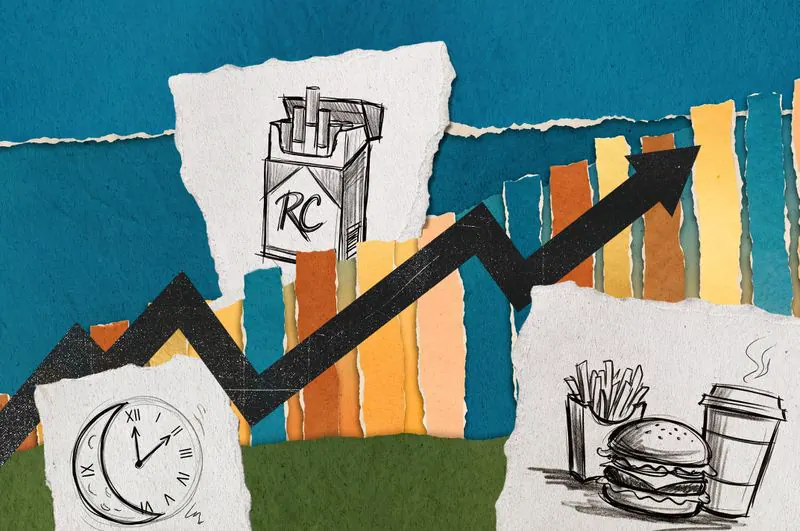
In contrast, the picture is less optimistic in poorer countries like South Africa. Urbanisation and globalisation have led to increasingly Westernised lifestyles, exposing more people to smoking, alcohol use, processed food, and obesity – all linked to an increased risk of certain cancers. The National Cancer Registry (NCR) is the primary source of data in South Africa, reporting around 91,600 diagnosed cases in 2024. However, the NCR only provides part of the picture, as it only reports diagnosed cases, and not all cancer cases are diagnosed.
To estimate total cases, including both diagnosed and undiagnosed ones, mathematical modelling is used, building on sources like the NCR's data. The International Agency for Research on Cancer (IARC) estimates that there were around 102,000 new cancer cases in South Africa in 2024, with approximately 241,000 people living with cancer and 55,000 cancer-related deaths. In comparison, the Global Burden of Disease collaboration has higher estimates, with 127,000 new cases in 2023, 335,000 people living with cancer, and 70,000 cancer deaths.
The Global Burden of Disease collaboration also publishes projections up to 2050, which suggest a substantial increase in global cancer deaths to around 18 million by 2050, up from 10 million in 2023. In South Africa, cancer deaths are forecast to almost double from around 64,000 in 2024 to 127,000 in 2050. This increase will be driven by changing demographics and lifestyles. According to the IARC's Global Cancer Observatory, the most prevalent cancer types diagnosed among South African men in 2024 were prostate cancer (31%), lung cancer (10.4%), and colorectal cancer (7.2%).
Experts like Professor Yoshan Moodley, a cancer epidemiologist at Stellenbosch University, explain that South Africa is in a transition phase, with a high burden of infectious diseases and an increasing burden of non-communicable diseases like cancer, heart disease, and diabetes. As the country develops and urbanises, lifestyles change, and people are exposed to more Westernised diets, smoking, and alcohol use. This shift particularly affects people who have recently moved from rural to urban areas, with black African people being disproportionately affected.
Lung cancer is a significant concern in South Africa, with 6,732 lung cancer deaths and 7,693 new cases reported in 2024. The World Health Organisation's Global Status Report on Cancer 2026 identifies lung cancer as the leading cause of cancer deaths globally. To better understand the situation, it is essential to examine the various factors driving cancer trends in South Africa, including demographic changes, lifestyle changes, and access to healthcare.
Key points
- Cancer rates in South Africa are influenced by demographic changes, urbanisation, and lifestyle changes.
- The country is experiencing a transition from infectious diseases to non-communicable diseases like cancer, heart disease, and diabetes.
- Lung cancer is a significant concern in South Africa, with a high number of deaths and new cases reported in 2024.