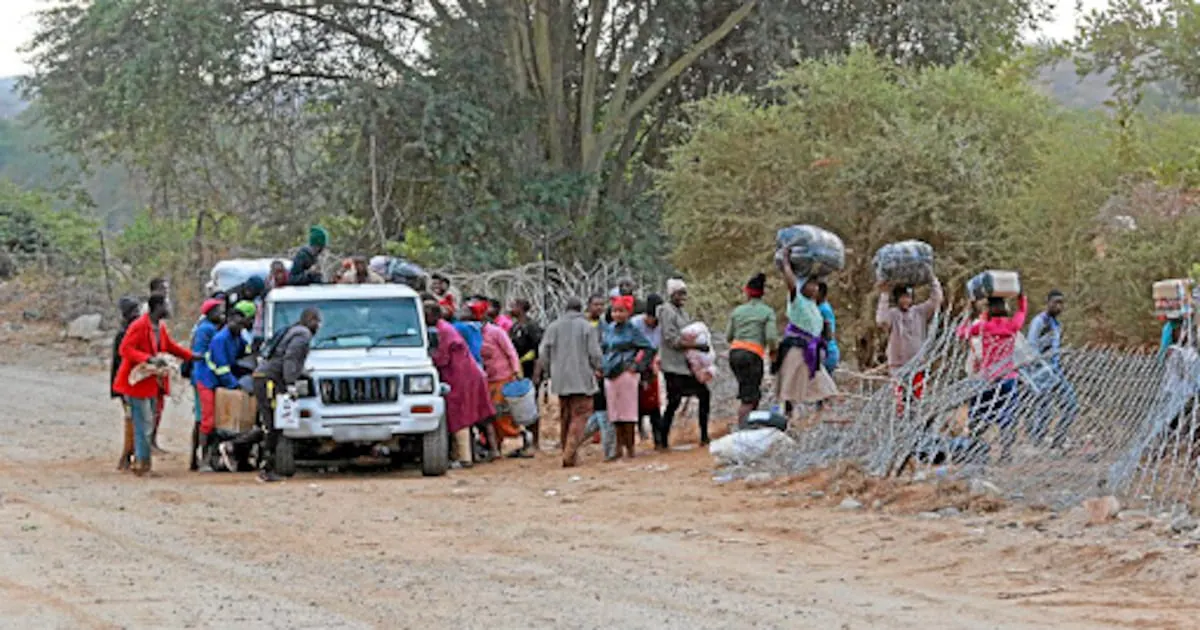
South Africa's Minister of Justice and Constitutional Development, Mmamoloko Kubayi, has acknowledged that technology is crucial in addressing the country's border insecurity. The Borderline Infrastructure Improvement Plan for 2026-2030 aims to overhaul the nation's 4,471km land border fences, which are largely damaged, vandalized, or inadequately protected. Poor access roads in some areas also hinder effective patrols.
The Treasury is working on funding the infrastructure programme, which will include advanced technology that has already shown promising results in pilot projects. The Border Management Authority (BMA) has deployed drones and body-worn cameras at several border points, including Lebombo, Maseru, Oshoek, Beitbridge, and KwaZulu-Natal. These technologies have led to a 24% year-on-year reduction in attempted illegal crossings and the resignation or dismissal of 50 corrupt or underperforming officials.
The BMA's use of integrated technology, including multiple sensors, drones, vehicle dashboard cameras, and public and private CCTV, has enhanced border protection and created a stronger case for prosecution. The authority can share evidence and case information securely with the police and National Prosecuting Authority. BMA commissioner Michael Masiapato notes that body cameras not only record incidents but also change behavior, making them a tool for prevention and accountability.
The proposed infrastructure plan can integrate technology alongside physical infrastructure, such as fences, roads, and ports of entry. Advanced technology can help authorities understand and respond to border activity more effectively. Drones can identify suspicious movement, while body-worn cameras can capture encounters, creating an independent record of incidents.
The use of digital evidence management systems ensures that evidence is stored securely with clear time stamps, access controls, and an auditable chain of custody. This integrated approach enables the collation of separate pieces of evidence into a strong case for prosecution, eliminating chain of custody issues and technicalities.
The government has an opportunity to apply the same thinking to the national infrastructure programme, using technology that has already demonstrated its value. The BMA's experience with drones, body cameras, and digital evidence management can inform the programme, allowing for swift deployment where needed.
A modern border requires more than just a stronger fence; it needs to be able to see what is happening, respond quickly, and preserve evidence needed to act afterwards. With Kubayi's recognition of technology's importance and the Treasury's focus on funding, South Africa is moving towards international best border practice, with a focus on integrated systems and digital evidence management.
Key points
- The South African government is shifting its focus towards using advanced technology to address border insecurity.
- The use of integrated technology, including drones and body-worn cameras, has led to a significant reduction in attempted illegal crossings.
- The proposed infrastructure plan aims to integrate technology alongside physical infrastructure to enhance border protection and prosecution.