The South African government is accelerating the privatisation of state-owned bulk grain storage silos and hospitality assets, such as nature reserves, through public-private partnerships. This move comes as the fiscus faces competing interests and debt-servicing costs consume about R1.2 billion daily. By involving the private sector, the state aims to run non-core assets more efficiently and reduce the burden on public funds. Hospitality facilities have been prioritised for private sector participation, with the government shifting towards a regulatory role.
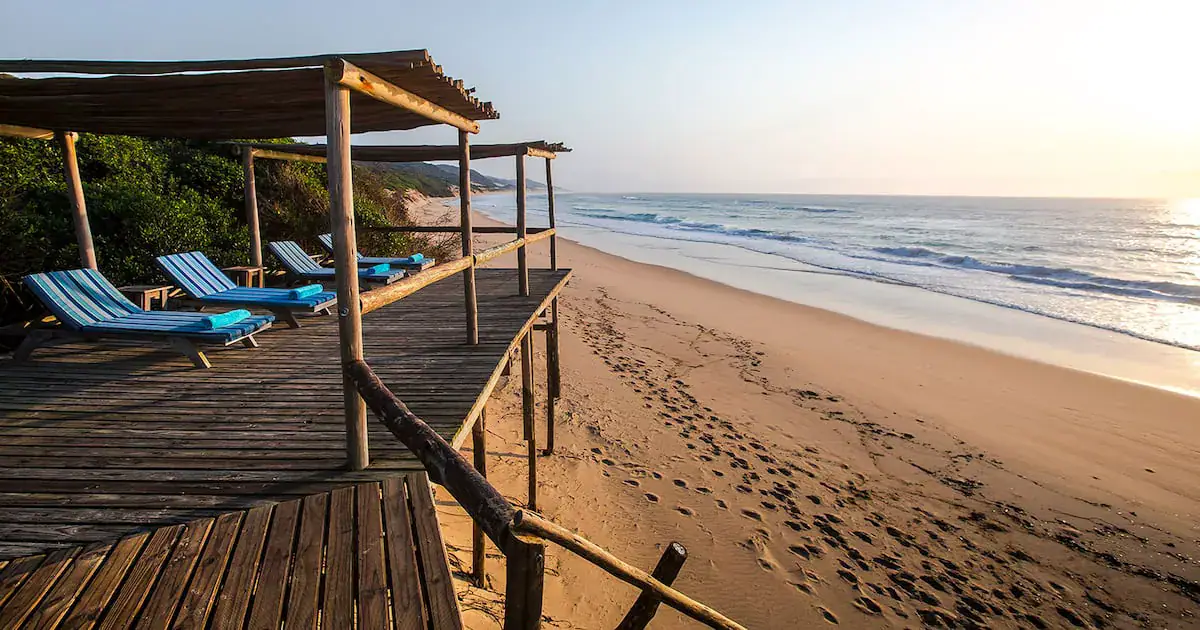
The iSimangaliso Wetland Park, covering 1,328,901 hectares, has initiated a process to bring in private sector players to redevelop, manage, and operate the Cape Vidal resort for 50 years. This project aligns with iSimangaliso's commercialisation strategy to optimise asset utilisation and revenue generation. The Cape Vidal resort offers pristine beaches, incredible surroundings, and an abundance of wildlife. The park is seeking private capital to upgrade the resort to a three- or four-star tourist destination, unlocking its commercial potential.
The Cape Vidal project is part of a larger trend of privatisation in the South African hospitality sector. Ezemvelo KZN Wildlife, which manages over 800,000 hectares of high-value land in KwaZulu-Natal, recently launched a hunt for a private-sector partner to manage its vast estate, including over 90 protected areas. The idea to commercialise Ezemvelo was first proposed in 2007 but was not pursued until now, due to financial pressures and competing interests from the fiscus.
In Gauteng, the provincial government has offered the Suikerbosrand Nature Reserve to the private sector, potentially leading to a 25-year concession. The reserve, valued at R3 billion in 2009, has faced criticism for its dilapidated state and limited revenue-generating activities. The winning bidder will develop, operate, and manage the reserve, with the state retaining title to the land and assets. The private sector will pay a monthly lease fee of at least R80,000.
The Suikerbosrand Nature Reserve has significant tourism potential, with accommodation and conference facilities that can accommodate about 1,900 people. However, most facilities are in disrepair due to lack of maintenance. The reserve offers various activities, including hiking, cycling, and game sales. The Gauteng government, led by Premier Panyaza Lesufi, is seeking private capital to invest in the reserve and unlock its full potential.
The North West government is also seeking private sector partners to operate state-owned bulk grain storage silos for 25 years. The three silos, with a combined storage capacity of 180,000 tonnes of grain, have deteriorated over time due to poor maintenance and underuse. The objective is to secure a strategic partner to rehabilitate, develop, and manage the silos sustainably, restoring them to commercial viability and maximising socioeconomic benefits for the North West farming community.
The privatisation of state-owned hospitality assets is a strategic move to address financial pressures and competing interests in South Africa. By partnering with the private sector, the government aims to unlock the commercial potential of these assets, generate revenue, and promote sustainable development. The success of these partnerships will depend on the government's ability to balance public interests with private sector participation.
Key points
- The South African government is accelerating the privatisation of state-owned hospitality assets through public-private partnerships to address financial pressures and competing interests.
- The iSimangaliso Wetland Park and Ezemvelo KZN Wildlife are among the state-owned hospitality assets being privatised to unlock their commercial potential and generate revenue.
- The privatisation of state-owned bulk grain storage silos, such as those in the North West, aims to restore them to commercial viability and maximise socioeconomic benefits for local communities.