South Africa is leading the charge for rich nations to provide trillions of dollars in climate funding to countries in the Global South. At the UN's largest climate change conference negotiations in Antalya, Turkey, Pretoria is emphasizing the need for significant financial support to combat climate change and transition to a low-emissions economy. The country's climate change planning report estimates that South Africa needs approximately R3.7-trillion to achieve this goal.
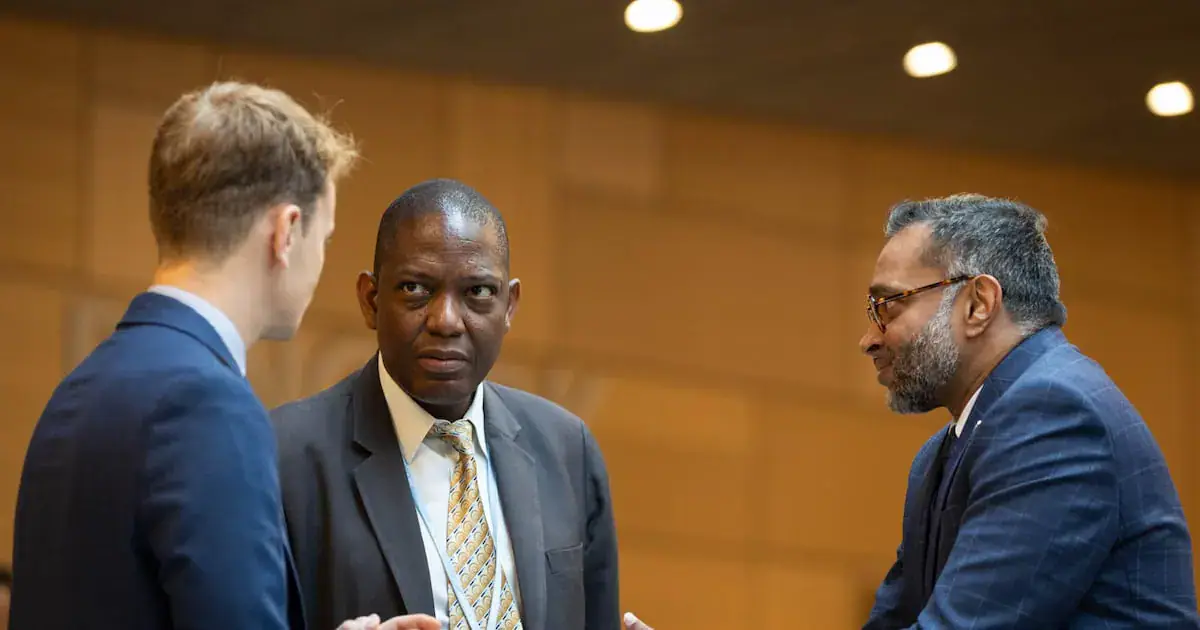
The funding gap is a major challenge, and the COP31 negotiations will play a crucial role in determining the funding model. South Africa's chief negotiator, Maesela Kekana, stated that the country is currently receiving millions of dollars in funding but needs trillions to build resilience in its economy. Kekana emphasized that the system is struggling, and it's time to transition from negotiations to action. The US withdrawal from the Paris Agreement has raised concerns about climate financing, particularly given its status as one of the largest emitters of greenhouse gases.
Kekana highlighted that for years, negotiators have struggled to finalize climate financing challenges, and now the focus is on developed countries, which include some of the world's biggest greenhouse gas emitters. He stressed that adaptation and financing are crucial, and South Africa's priority is to secure obligations from developed countries to provide finance to developing countries like itself. The country is pushing for burden-sharing arrangements among developed countries to be part of the negotiations.
Natural disasters have had a significant impact on South Africa in recent years, including flooding in the Kruger National Park and the Eastern Cape. The government estimates that it will cost R1bn to rehabilitate the damaged infrastructure in the Kruger National Park. Kekana noted that COP31 also includes talks about funds for loss and damages for countries that have experienced natural disasters. This is an essential aspect of the climate change debate, particularly for countries like South Africa that are vulnerable to extreme weather events.
The climate change debate in South Africa has centered on minimizing coal use, as the country largely depends on coal-fired stations for a stable grid. However, in the first week of COP31, South Africa secured funding of R185m from the German government to support its just energy transition. The funding will focus on providing opportunities to communities negatively affected by the transition, such as areas affected by the decommissioning of Eskom power stations.
Presidential Climate Commission chair Dipak Patel stated that the grant will provide alternative livelihood and income opportunities for communities dependent on the coal value chain. The commission will work with the Development Bank of Southern Africa and focus on four provinces: Mpumalanga, Limpopo, KwaZulu-Natal, and parts of the Eastern Cape. The goal is to support local communities and workers affected by the transition to a low-emissions economy.
The coal mining sector employs 90,977 people, according to the Minerals Council South Africa. Forestry, fisheries, and environment minister David Maynier emphasized that South Africa's focus in this year's COP is on closing the finance gap. The country has made progress in ensuring the climate finance work programme was put on the agenda and adopted at COP, opening an opportunity for negotiations with developed countries about their obligations to provide additional support and funding.
Key points
- South Africa needs approximately R3.7-trillion to combat climate change and transition to a low-emissions economy.
- The country is pushing for developed countries to provide trillions of dollars in climate funding to support the transition.
- South Africa has secured R185m in funding from the German government to support its just energy transition.
Reporting sources
- The Rand Daily Mail · The Rand Daily Mail