South Africa has expressed serious concern about recent sweeping American sanctions against the International Criminal Court (ICC) following the announcement that South African judge Navi Pillay was awarded the 2026 Nobel Peace Prize. Deputy Justice Minister Andries Nel stated that South Africa remains committed to the ICC and cautioned against political pressure on its judges and prosecutors. The award comes at a time when institutions of international justice are under pressure, Nel said during the Social Justice Summit at Stellenbosch University.
The US sanctions targeting the ICC and its officials were imposed shortly after the Norwegian Nobel Committee recognised Pillay for her contributions to international law and human rights. US President Donald Trump dismissed Pillay, claiming he deserved the award for his role in ending eight wars. Israel’s Foreign Ministry echoed his sentiments, accusing Pillay of fabricating allegations against the country. Pillay has been a vocal advocate for justice, particularly as chair of the UN Independent International Commission of Inquiry on Gaza.
The commission concluded that Israel committed genocide in Gaza, a claim Israel has vehemently rejected. The Nobel Committee commended Pillay for her judicial prowess and integrity. Despite the sanctions announced by US Secretary of State Marco Rubio, Pillay condemned them as unacceptable, voicing concerns about their impact on the independence of international courts. The sanctions significantly escalate the Trump administration’s campaign against the ICC.
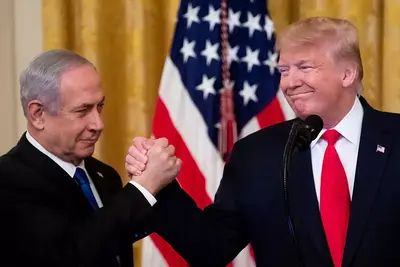
The ICC issues arrest warrants for Israeli leaders, including Prime Minister Netanyahu, over alleged war crimes, which Israel denies. Though the sanctions do not immediately incapacitate the ICC, they raise serious concerns about its long-term operation. The ICC called the sanctions an attack on justice and urged its 125 member states to uphold its independence. This development has sparked concerns about the potential impact on international justice.
UN Secretary-General António Guterres warned that these measures could undermine the ICC’s mandate and investigations, which involve referrals from the UN Security Council. European nations are discussing whether legal measures should accompany their diplomatic objections, with Belgium proposing to activate the EU’s Blocking Statute aimed at shielding European entities from extraterritorial sanctions.
Human rights groups have cautioned that the sanctions could hinder accountability efforts across various global crises. Four organisations are challenging the legality of the US sanctions in a federal court, arguing that they violate constitutional protections. In South Africa, Justice Minister Mmamoloko Kubayi congratulated Pillay, calling her win a proud achievement for both the country and Africa.
Nel’s recent statements reaffirmed South Africa’s support for the ICC, although he did not specify any immediate actions to counter the US sanctions or detail South Africa’s separate case against Israel at the International Court of Justice. The key question remains whether expressions of support from ICC member states will translate into practical steps to ensure the institution can keep functioning effectively.
Key points
- South Africa expresses concern over US sanctions against the ICC.
- Trump and Israel criticise Navi Pillay's Nobel Peace Prize award.
- The sanctions raise concerns about the long-term operation of the ICC.