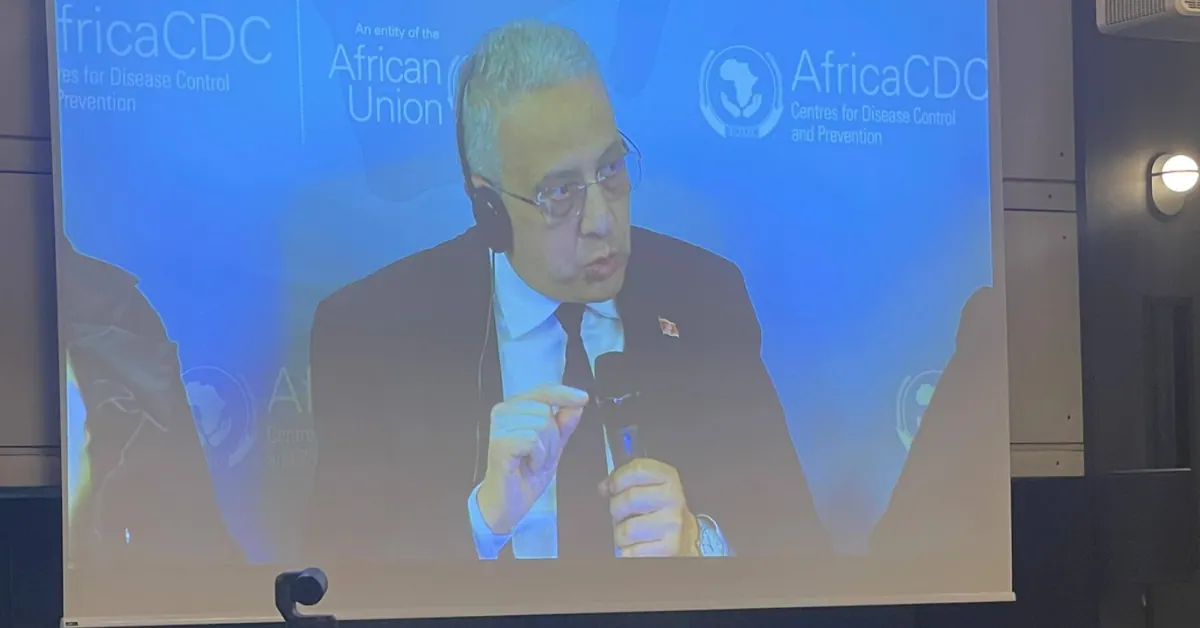
Tunisia's Minister of Health, Mustafa Al-Ferjani, participated in the Global Health Summit in Berlin, where he emphasized the importance of integrating traditional medicine with modern healthcare. He highlighted the potential of traditional knowledge in improving human health, while stressing the need for scientific research to validate its effectiveness and safety. This approach aims to promote a comprehensive understanding of health and wellness.
During the summit, Al-Ferjani participated in two sessions, discussing the role of traditional medicine in healthcare and the importance of precision medicine. He showcased Tunisia's experience in digital health, including the connection of 32 hospitals to remote medical imaging and the conduct of over 120,000 examinations in a single year. This digital transformation has improved healthcare services and paved the way for further advancements.
The Minister of Health emphasized the need to link traditional medicine with scientific research, ensuring the safety of patients and the quality of care. He also highlighted the importance of preserving biodiversity and promoting the concept of "One Health," which recognizes the interconnectedness of human, animal, and environmental health. This approach can help combat antibiotic resistance and promote a more holistic understanding of health.
Tunisia's experience in digital health has been recognized as a model for other countries to follow. The country's efforts to develop a unified health identifier for all citizens by the end of 2026 aim to improve healthcare services and enhance patient care. This initiative has the potential to transform the healthcare sector and improve health outcomes.
The call for universal access to precision medicine was another key theme of Al-Ferjani's participation in the summit. He emphasized that all countries should benefit from scientific and technological advancements in healthcare, regardless of their economic or social status. This approach aims to promote health equity and ensure that everyone has access to quality healthcare.
The Global Health Summit in Berlin brought together experts and policymakers from around the world to discuss pressing health issues. Tunisia's participation in the summit provided an opportunity for the country to share its experiences and expertise in healthcare, while also learning from other countries and international organizations.
The Ministry of Health's efforts to promote traditional medicine and precision healthcare are part of a broader strategy to improve healthcare services in Tunisia. By leveraging traditional knowledge and modern technology, the country aims to provide comprehensive and inclusive healthcare services that cater to the needs of all citizens.
Key points
- Tunisia calls for integrated traditional medicine and universal access to precision medicine.
- The country showcases its experience in digital health, including remote medical imaging and a unified health identifier.
- The Minister of Health emphasizes the need for scientific research to validate traditional medicine and ensure patient safety.