South Africa is heading into a critical period as the country prepares for a fourth-quarter perfect storm. The November municipal elections may destabilize efficient governance in several municipalities, many of which are already on the brink of collapse. With new political alliances being formed and new councillors needing induction, it may take months before the engines of governance restart. This will place many municipalities on the backfoot regarding the developing El Niño climate phenomenon.
The El Niño threat to national well-being may not register with the urgency it requires, particularly since some of the new councillors and mayors may not have the necessary skills, with reports indicating that several of them cannot read or write. Seasonal forecasts indicate below-normal rainfall and above-normal temperatures across much of South Africa from October 2026 to at least March 2027. This has raised concerns about potential Day Zero scenarios in some parts of the country and isolated extreme rainfall events and flooding elsewhere.
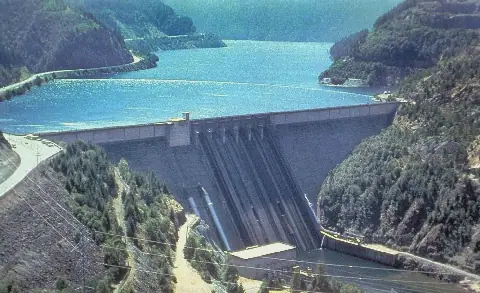
The impact of El Niño will be far-reaching, with reduced rainfall affecting dams and agricultural viability, leading to food security becoming a significant issue. Agriculture will be hit through several simultaneous channels, including less rain and higher temperatures, lower soil moisture, and heat stress, leading to higher irrigation demands, which reduce agricultural productivity. The Department of Agriculture has issued warnings about crop failure, livestock mortality, irrigation restrictions, and pests and disease under hot, dry conditions.
The climate shock will also become a social-policy shock, as a drought doesn't have to destroy the entire harvest, but if it reduces production sufficiently, prices rise. Poorer households spend a larger proportion of their income on food, making them more vulnerable to the effects of El Niño. Furthermore, excessive heat will be more immediately dangerous than drought, with the El Niño consequence bringing with it a rise in temperatures, leading to heat-related illness and mortality.
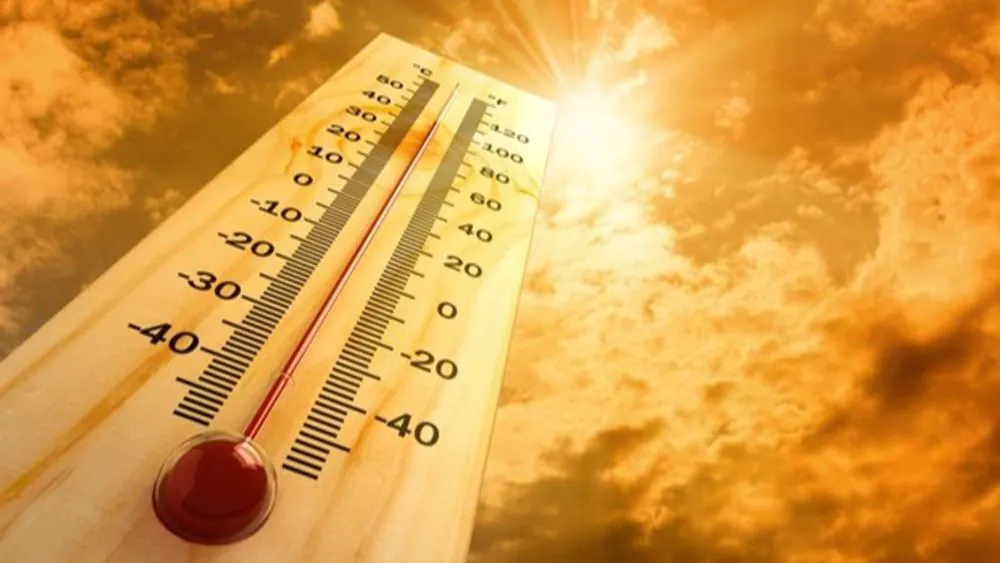
The South African Weather Service (SAWS) is warning that if the expected rainfall deficit materializes, severe heatwaves are likely to occur more frequently. El Niño and human-made warming will lead to heat-related illness and mortality, reduced productivity, increased cooling demand, stress on hospitals, greater water consumption, livestock losses, crop damage, and increased fire danger. Power stations will face pressure from both sides: less water availability and greater electricity demand.
The poorest South Africans will experience the effects of El Niño the worst, as they are particularly exposed to informal livelihoods, agriculture, livestock, municipal services, and food and water insecurity. Beyond being an environmental phenomenon, El Niño is also a distributional crisis, with high unemployment and poverty levels making it difficult for poorer households to afford basic necessities, such as bottled water and food.
As the new councillors take office, they will have to address the rainfall deficit, water restrictions, agricultural losses, higher food prices, heat stress, and increased demand for government assistance. This will, in many instances, lead to political conflict over the allocation of scarce resources. The municipal councils will need to show how well they govern scarcity, and climate competency is now a more urgent qualification for political and community leadership.
Key points
- The incoming municipal councils will face growing pressure to manage the water, food-security, health and economic risks associated with an expected El Niño summer.
- The poorest South Africans will experience the effects of El Niño the worst due to their exposure to informal livelihoods, agriculture, livestock, municipal services, and food and water insecurity.
- Climate competency is now a more urgent qualification for political and community leadership as the country prepares for a major climate event.