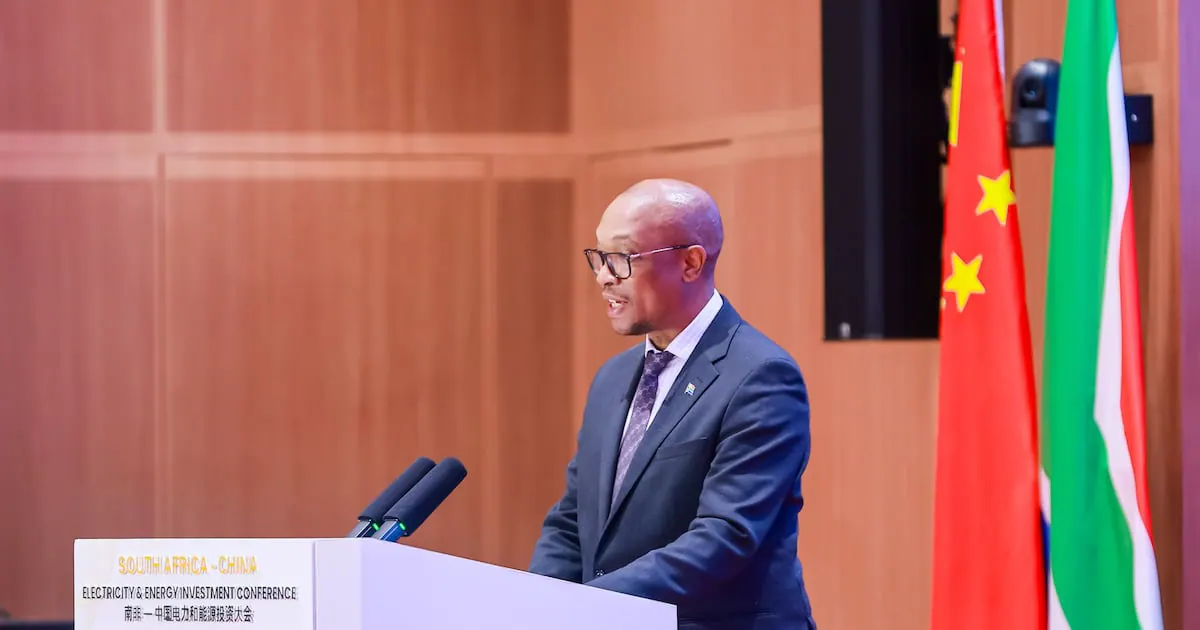
In a surprising move, South Africa's Minister of Trade, Industry and Competition, Parks Tau, has withdrawn a directive aimed at tightening quality checks on unregulated imports from China. The directive, which was set to come into effect, would have required Chinese manufacturers to have their products inspected, tested, and certified before being shipped to South Africa. This decision comes after pushback from China, South Africa's largest trading partner.
The directive, issued in March, targeted high-risk unregulated consumer products such as skin-lightening creams, hair relaxers, and toys. It was part of a pre-export verification of conformity (PVoC) regime aimed at preventing the influx of substandard or non-compliant products into the South African market. The programme was expected to yield substantial benefits by protecting local industries from cheap, substandard imports and fostering fair competition.
The withdrawal of the directive comes three months after Tau suspended its implementation following a World Trade Organisation (WTO) technical barriers to trade (TBT) intervention over a Chinese complaint about its country-specific scope. The WTO's TBT rules aim to ensure that requirements such as safety labels and environmental laws are not disguised, discriminatory, or unnecessarily strict obstacles to international trade.
The decision to withdraw the directive has given breathing room to Chinese manufacturers and importers. However, it has also raised concerns among consumer advocacy groups and domestic manufacturers who had welcomed the move. They argue that it leaves consumers vulnerable to substandard and counterfeit products, which have been flooding the market. The South African Toy and Games Association estimates that counterfeit and non-compliant products now make up about 25% of the local toy and games market.
The National Regulator for Compulsory Specifications (NRCS) has been cracking down on non-compliant products through countrywide raids. According to NRCS data, about R382bn worth of non-compliant products are traded annually within its regulatory space. The regulator has been working to address the issue of substandard and counterfeit products, which pose safety risks to consumers.
Trade with China is crucial to South Africa's economic prospects, with Pretoria and Beijing having close political ties. However, South Africa has struggled to close the yawning trade gap it has with China, which is north of R100bn annually. Research by Professor Bhaso Ndzendze shows that South Africa's trade deficit with its Brics partners has grown by $9.6bn since it joined the bloc.
The withdrawal of the directive has raised questions about the future of the PVoC programme and whether it will be reissued. The department and Tau's spokesperson did not respond to requests for comment on the reasons behind the withdrawal and the programme's future. The decision has significant economic and trade implications, both domestically and internationally, and its impact will be closely watched by stakeholders.
Key points
- South Africa withdraws directive to tighten quality checks on Chinese imports
- The directive was aimed at preventing the influx of substandard or non-compliant products into the South African market
- The withdrawal has given breathing room to Chinese manufacturers and importers but raised concerns among consumer advocacy groups and domestic manufacturers