Relations between South Africa and the US have deteriorated over the past 18 months, according to US Ambassador Brent Bozell. In a recent interview with Alec Hogg of BizNews, Bozell discussed the challenges in the bilateral relationship and what the US views as foot-dragging by the South African government. The issues at hand include alleged discrimination, incitement, and violence against racial minorities, particularly in rural communities.
The ANC has a Marxist-Leninist approach to negotiations, treating concessions as temporary tactical adjustments rather than negotiated changes of policy. This approach has contributed to the current impasse. The US has made several requests to South Africa, which Pretoria claims it has "acceded to all the requests in our mind", although not necessarily in the language or time frame demanded by Washington.
The negotiations between the two countries have been divided into two stages. The first stage involved five domestic "asks" related to issues such as racial incitement, violence against minorities, and broad-based black economic empowerment (B-BBEE) requirements. The US views these issues as impediments to US investment in South Africa. The second stage involves eight geopolitical issues that are seen as hostile to US interests or those of its allies.
Bozell described the initial requests as relatively uncontroversial threshold issues that needed to be cleared before more difficult bargaining began. He noted that two of the issues, the refugee programme and the Expropriation Act, have already been settled. The Expropriation Act is currently under judicial review. Bozell expressed optimism that the more substantial geopolitical issues would be resolved through talks.
According to Bozell, the three issues that have caused the negotiations to flounder are the condemnation of the "Kill the Boer, Kill the Farmer" chant, addressing rural crime, and B-BBEE requirements. The US had offered South Africa the option of condemning all racial incitement, which would have been a more straightforward step. Bozell also mentioned that the US was willing to assist South Africa in addressing rural crime, including potential funding.
The US demand on B-BBEE was seen as modest, with Washington asking South Africa to extend equity-equivalent investment alternatives to the mining and telecommunications sectors. However, Pretoria cited regulatory and legislative obstacles, which could delay telecommunications reform for up to two years. The mining portfolio was said to present "political difficulties", which the US wanted South Africa to find a way to overcome.
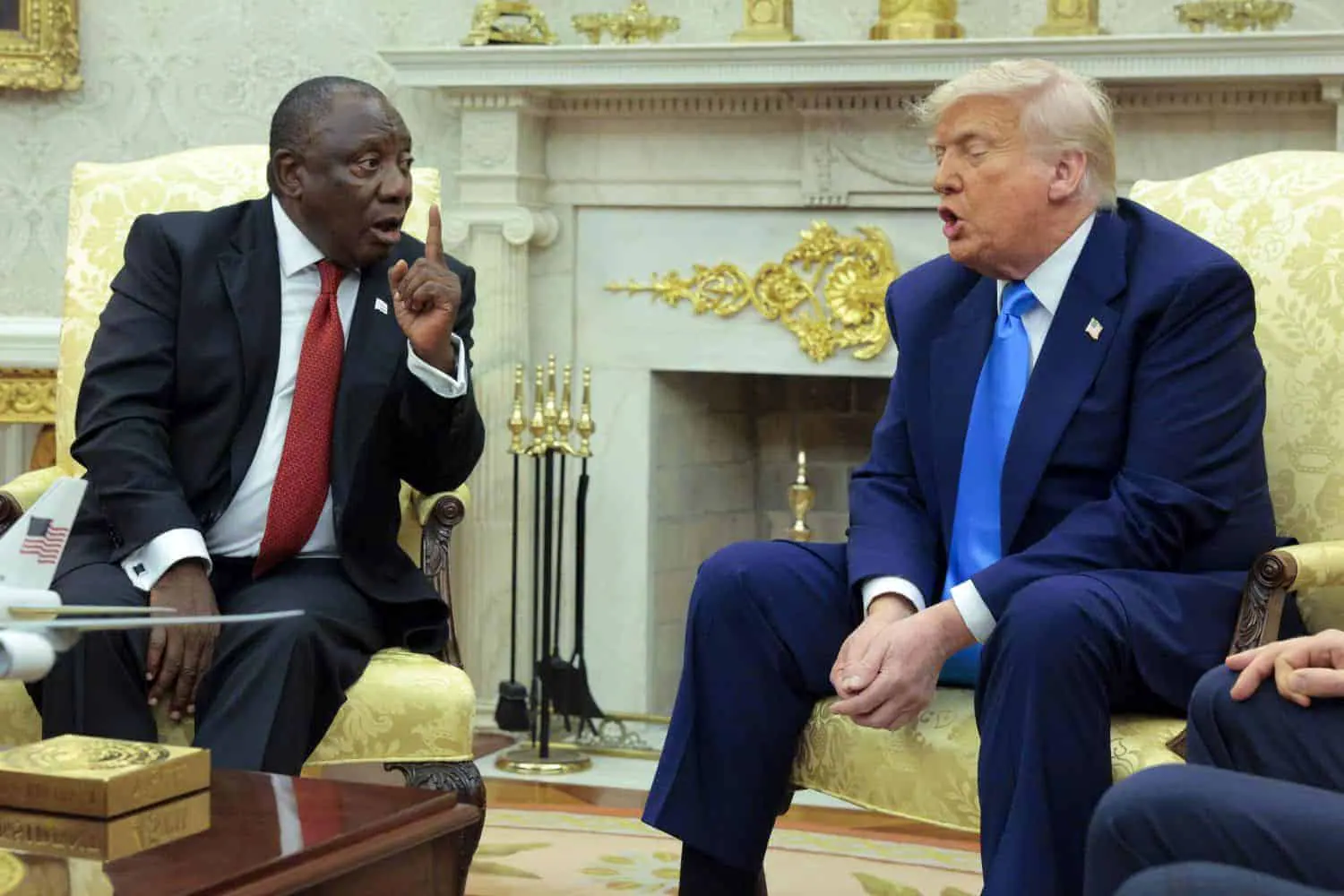
The relationship between the two countries has reached a critical point, with Bozell stating that the US "had lost patience" after meeting with President Cyril Ramaphosa in Washington last month. A letter from Ramaphosa was received on the 15th day of a deadline set by the US, but it appears that no agreement has been reached. The impasse has significant implications for the bilateral relationship and potential US investment in South Africa.
Key points
- The US has lost patience with South Africa over issues including racial incitement, rural crime, and black economic empowerment.
- The negotiations between the two countries have stalled over three key issues.
- The impasse has significant implications for the bilateral relationship and potential US investment in South Africa.