Amnesty International has released a report detailing severe human rights abuses committed by M23 rebels, backed by Rwanda, against artisanal miners in eastern Democratic Republic of Congo (DRC). The abuses, documented in two mining sites, include summary executions, torture, arbitrary detention, forced labor, and forced recruitment. The report highlights the dire situation faced by miners in the region.
The abuses were documented in a coltan mine near Rubaya, in Masisi territory, North Kivu, and an gold mine in Lomera, Kabare territory, South Kivu. M23 rebels forced miners to extract minerals, with some working underground for over a week. The rebels also used underground detention cells, known as "ndake", to hold and torture miners. Over 20 miners were detained and beaten in one such cell.
Amnesty International reports that 18 artisanal miners were summarily executed in Rubaya and Lomera. Witnesses and family members reported that ten miners were beaten to death, two killed by gunfire, and six found dead after being abducted. The organization interviewed 26 people, including miners, sector experts, and victim families, and analyzed photographs and video evidence.
The report also reveals that Rwandan nationals are present in the mining areas, with some security guards identified as Rwandan or speaking Kinyarwanda collaborating with M23 rebels. Amnesty International alleges that these guards participated in violence against miners. The organization's research suggests that a significant amount of gold and coltan is being trafficked to Rwanda through established smuggling routes.
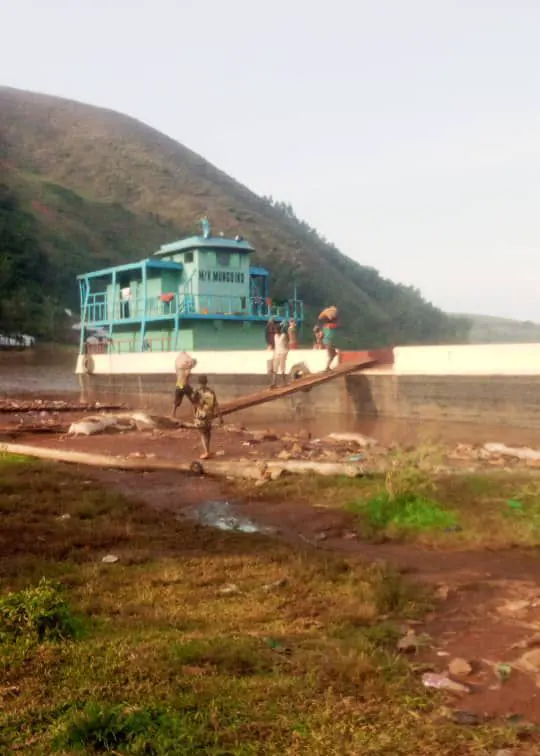
Amnesty International has gathered evidence of gold trafficking from M23-controlled areas to Rwanda, with sacks of gold-bearing soil transported by boat to Kamembe, Rwanda. The organization believes that the pillage of gold and coltan by M23 rebels could constitute a war crime. The scale of mineral trafficking to Rwanda raises questions about the country's potential direct involvement in the plundering of DRC resources.
In response to these findings, Amnesty International is calling on states and companies to cease purchasing coltan and gold from Rwanda, as well as from companies and refineries in third countries that source from Rwandan suppliers. The organization also urges the US and EU to avoid signing mining agreements with M23-controlled mines in DRC unless international human rights observers and independent monitoring bodies have full access.
Amnesty International emphasizes that companies' human rights responsibilities extend throughout the entire supply chain, not just to those directly involved in mineral extraction. The organization is urging companies to exercise increased vigilance on the origin of minerals they purchase. By taking these steps, Amnesty International hopes to bring attention to the dire situation faced by artisanal miners in DRC and to pressure governments and companies to take action.
Key points
- Amnesty International reports grave human rights abuses by M23 rebels in DRC mines.
- The organization documents summary executions, forced labor, and torture of artisanal miners.
- Amnesty International calls for a halt to mineral purchases from Rwanda and M23-controlled mines in DRC.