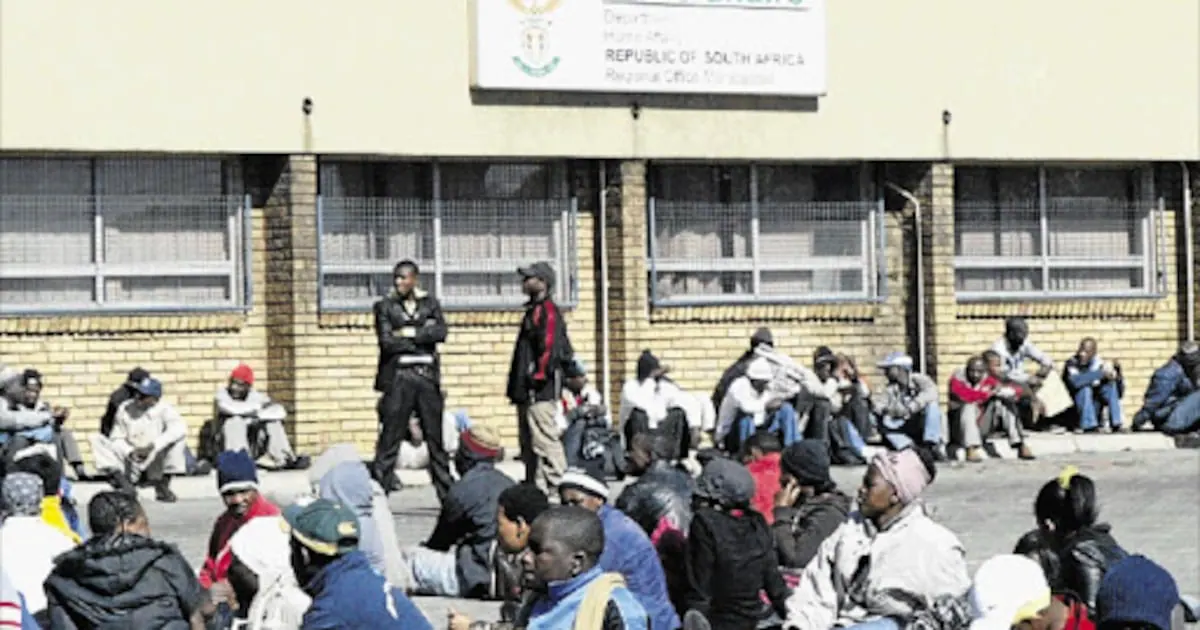
The Department of Home Affairs in South Africa has instructed refugee reception offices to accept asylum applications from individuals who entered the country illegally. This directive, signed by acting director-general Thulani Mavuso on September 28, was implemented with immediate effect. It follows a landmark Constitutional Court ruling in July 2022 that declared key sections of the Refugees Act invalid. The ruling paved the way for changes in how asylum applications are processed.
According to the directive, asylum officers have been instructed to process applications from anyone seeking asylum, regardless of their legal status on entering the country. This includes individuals who entered South Africa unlawfully or through a place other than a designated port of entry. Those who did not declare an intention to apply for asylum at a port of entry, hold no valid visa, or failed to report to a refugee reception office within five days of entry are also eligible to apply.
The department has emphasized that officials are strictly prohibited from requiring applicants to provide reasons for entering the country unlawfully. They are also barred from requiring an asylum transit visa or demonstrating “good cause” as a condition to apply. Furthermore, offices are not allowed to enforce quotas or internal policies that restrict access to the application process. This move aims to simplify and streamline the asylum application process.
However, the directive has faced criticism from anti-illegal immigration groups. March and March, an organization opposed to illegal immigration, has argued that the policy ignores national immigration laws and compromises national security. They also claim that it overburdens local infrastructure. In response, the group has staged protests and blockaded several refugee offices across the country.
On the other hand, human rights organizations have welcomed the Constitutional Court’s decision and the subsequent directive. They view it as a victory for international refugee protection and constitutional human rights. The new directive is seen as a step towards ensuring that asylum seekers have a fair chance to apply for protection, regardless of how they entered the country.
The implementation of this directive is being closely watched by various stakeholders, including human rights organizations and immigration advocacy groups. They are keen to see how the directive will be enforced on the ground and its impact on the lives of asylum seekers in South Africa. The Department of Home Affairs has assured that it will ensure a smooth application process.
As the situation continues to unfold, the debate around the directive is expected to continue. Key stakeholders will be monitoring its effects on national security, local infrastructure, and the rights of asylum seekers. The directive represents a significant shift in South Africa’s approach to asylum and refugee protection, aligning with international standards and constitutional obligations.
Key points
- The directive allows undocumented foreigners to apply for asylum in South Africa.
- The move has been welcomed by human rights organizations but criticized by anti-illegal immigration groups.
- The directive follows a landmark Constitutional Court ruling that declared key sections of the Refugees Act invalid.