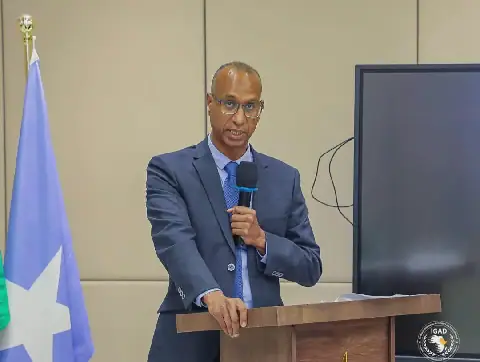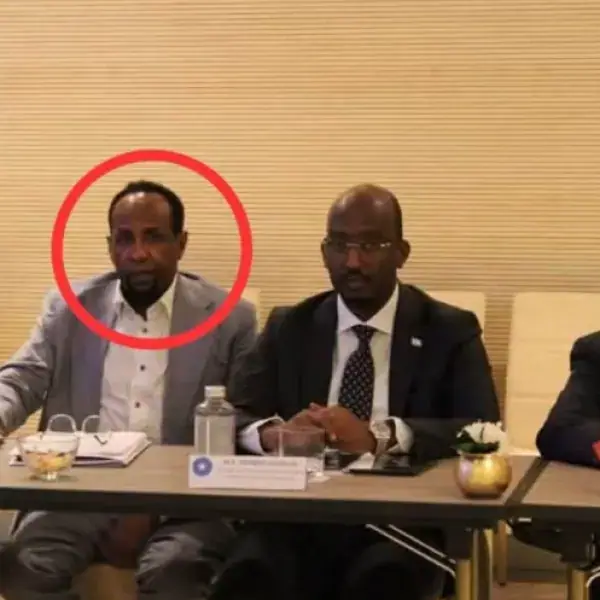
In a move to contain damage, Somalia's Minister of Fisheries and Blue Economy, Ahmed Hassan Adan, has suspended the ministry's Director General, Abdi Ciise Dirshe. The dismissal, dated November 9, 2026, was communicated to key oversight bodies, including the National Civil Service Commission and the Prime Minister's Office. According to the official decree, Dirshe's termination is linked to forgery and other administrative malfeasance.
Sources within the ministry reveal that Dirshe's suspension is a result of exposing deep-seated internal criminality, including forgery of documents and financial misconduct. However, legal analysts and sector insiders see this move as a political maneuver to shield the executive leadership from accountability for systemic corruption and fraudulent paperwork. The decree cites multiple violations, including exceeding authority, insubordination, and operational failure.
The ministerial directive, signed by Minister Ahmed Hassan Adan, mandates that Raisa Maxamed Maxamuud, Director of the Blue Economy Department, assume the duties of Director General on an interim basis. Despite the dismissal document portraying Dirshe as a rogue administrator, the structural collapse of Somalia's Blue Economy suggests otherwise. Dirshe's actions likely involved broader complicity, given the high-stakes nature of foreign arrangements and forged administrative mandates.
Multimillion-dollar fisheries agreements, such as those negotiated with foreign entities through the Turkish Embassy, require explicit political endorsement at the ministerial level. Similarly, outsourcing critical regulatory and licensing powers to private entities like Hope Labs Group would have required the Minister's direct authorization and support. Minister Ahmed Hassan Adan's decision to fire Dirshe appears to be an attempt to position himself as a reformer.
However, the removal of a Director General does not address the opaque commercial agreements, unvetted private regulatory contracts, or unchecked foreign industrial fishing access threatening Somalia's Exclusive Economic Zone. True accountability cannot be achieved through administrative scapegoating or covering up forgery scandals that reached the highest levels of the department. Independent anti-corruption bodies must investigate the minister's role in these allegations.
If the Federal Government of Somalia is genuinely committed to protecting its marine sovereignty and restoring donor confidence, it must dissolve the secrecy surrounding foreign maritime deals, revoke private regulatory contracts, and enforce genuine institutional transparency. Until then, sacrificing a Director General remains a political smokescreen. The investigations should extend to the desk of Minister Ahmed Hassan Adan to ensure accountability.
The saga highlights the need for thorough investigations into Somalia's fisheries sector, which has been plagued by allegations of corruption and malfeasance. The international community and Somali citizens alike are watching closely, expecting tangible actions towards reform and accountability. The fate of Somalia's marine resources and the livelihoods of its people depend on the government's ability to address these deep-rooted issues effectively.
Key points
- Somalia's Fisheries Minister Ahmed Hassan Adan suspended Director General Abdi Ciise Dirshe amid allegations of forgery and financial misconduct.
- The suspension is seen as a political maneuver to shield the executive leadership from accountability for systemic corruption.
- Independent anti-corruption bodies must investigate the minister's role in the allegations to ensure accountability.