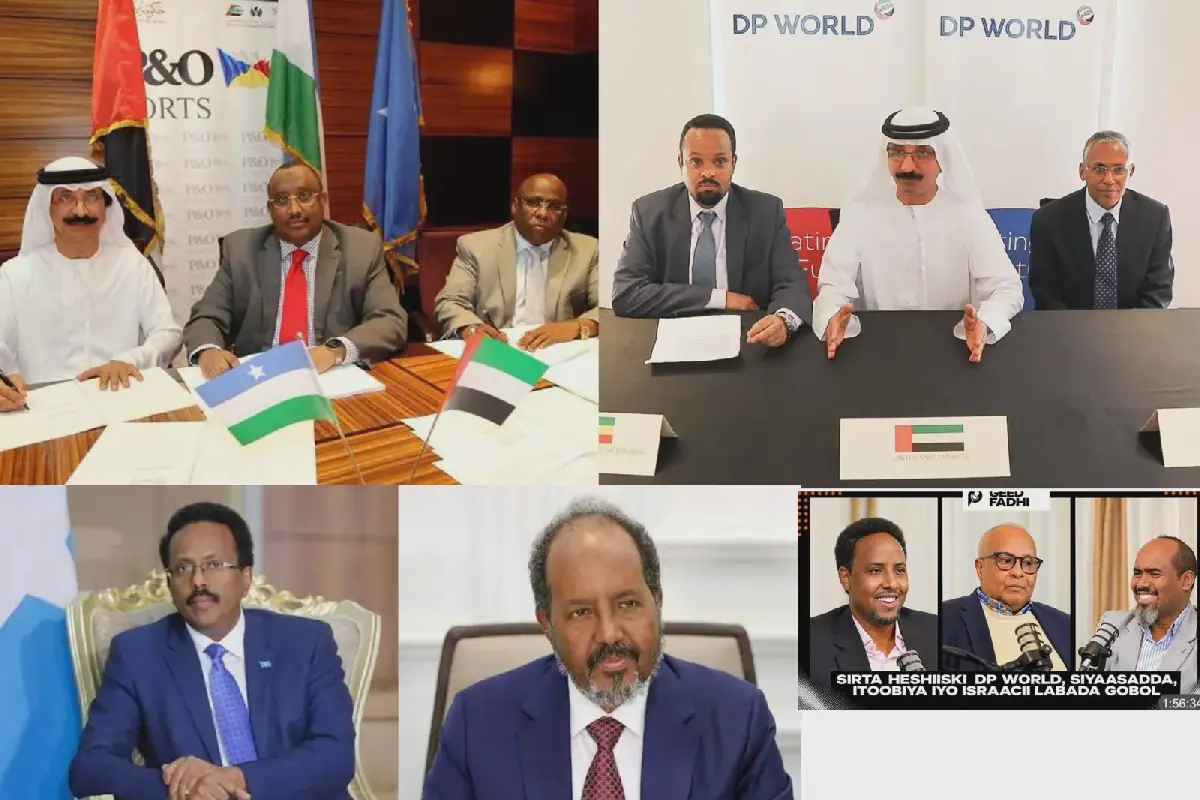
Somalia's decision to expel the UAE ambassador has put DP World's agreements in Berbera and Bosaso at risk of legal challenge. The move follows accusations by President Hassan Sheikh Mohamud that the UAE has been financing armed groups and undermining Somalia's sovereignty. The Federal Government has questioned agreements concluded without federal approval, particularly those involving DP World and its subsidiaries.
The dispute between Somalia and the UAE has brought longstanding disagreements over port management into focus. Somalia's Ministry of Foreign Affairs and International Cooperation announced the termination of its agreements with the UAE, including those concerning port operations. The decision covered arrangements involving the ports of Berbera and Bosaso. Former Somali Foreign Minister Abdusalam Omer Hadliye revealed that DP World's Sultan Ahmed bin Sulayem had attempted to persuade him to sign an agreement concerning Berbera Port without allowing him to examine the draft contract.
The constitutional division of authority between Somalia's Federal Government and its Federal Member States lies at the centre of the dispute. Article 54 of Somalia's 2012 Provisional Constitution reserves responsibility for foreign affairs and national defence to the Federal Government. This forms the basis of Mogadishu's objections to agreements concluded directly between regional authorities and foreign entities. In 2018, Somalia's Federal Parliament rejected an agreement involving DP World, the Somaliland administration, and Ethiopia over Berbera Port.
The controversy also extends to Bosaso Port in Puntland, where a 30-year concession agreement was signed with P&O Ports, a subsidiary of DP World, in 2017. However, Puntland President Said Abdullahi Deni announced in 2022 that the concession had been renegotiated due to concerns about the company's performance. A revised arrangement involving a joint venture between DP World and the Puntland Government was announced.
Somalia and the UAE had begun repairing their strained relations in 2022, with cooperation expanding in security, counter-terrorism, and development. However, the confrontation escalated on November 19, 2026, when Somalia ordered the UAE ambassador to leave the country within 72 hours. The Somali Government accused the UAE of violating Somalia's sovereignty and interfering in its internal affairs.
The deteriorating relationship between Somalia and the UAE could have significant consequences for DP World's port concessions. The Dubai government-owned company faces exposure to contractual disputes, legal challenges, and reputational risks. Further challenges by the Somali Government to the concessions granted in Berbera and Bosaso could raise questions about their authenticity.
Despite the tensions, Somalia's Ministry of Fisheries and Blue Economy signed a memorandum of understanding with AD Ports Group, another UAE government-owned ports and logistics operator, in 2024. This demonstrated that the Federal Government was willing to enter into maritime development arrangements with Emirati companies, despite its objections to DP World's concessions involving regional administrations.
Key points
- Somalia's expulsion of the UAE ambassador threatens DP World's port concessions in Berbera and Bosaso.
- The dispute centres on allegations of unauthorized agreements and Somalia's sovereignty.
- The consequences of the deteriorating relationship between Somalia and the UAE could be significant for DP World's operations.