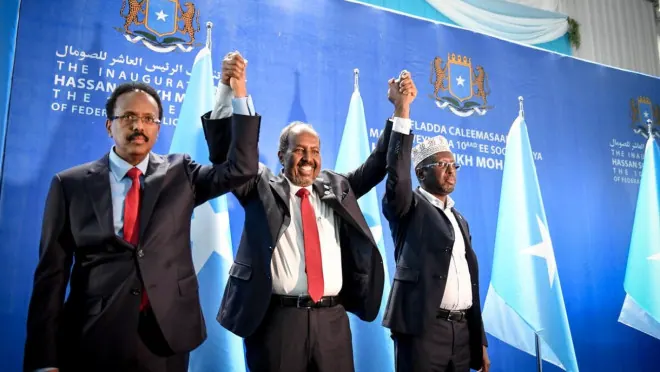
Somalia has been stuck in a cycle of indirect elections for 14 years, despite its 2012 constitution envisioning a federal political system with direct citizen participation. The indirect system was initially intended as a transitional mechanism but has persisted, reducing the political power of the wider population and creating concerns about corruption and private interests influencing the electoral process.
The absence of citizens from the electoral process has led to a concentration of power in the hands of a limited number of delegates, undermining the relationship between leaders and the population. This has created an environment where organized groups and narrow interests wield significant influence, while ordinary citizens remain spectators.
Disputes over electoral deadlines have become a recurring problem in Somalia. As each term approaches its end, debates arise over who should organize the election, which electoral system to use, and who should oversee the process. Both the Federal Government and the Federal Member State have responsibilities in breaking this cycle.
To move forward, Somalia needs a durable political settlement that establishes clear rules for elections, including when they take place, who conducts them, and how votes are counted. The Somali citizen must be placed at the center of the electoral system, with the ability to choose leaders, replace them, and hold them accountable.
The current system has led to a situation where political leaders emerge through a process in which the majority of citizens do not directly participate. This can create a political environment where leaders are not directly accountable to the people, but rather to a small group of delegates.
Experts argue that Somalia's political future requires an electoral system that restores citizens to their rightful position at the center of political decision-making. This can be achieved by building an electoral system in which citizens have a meaningful role in choosing their leadership.
Ultimately, Somalia's 14-year experience with indirect elections offers a clear lesson: when citizens are removed from the electoral process, Somali politics cannot escape the cycle of elite bargaining and power-sharing. The country must prioritize building a more inclusive and accountable electoral system.
Key points
- Somalia's indirect election system has been in place for 14 years, despite initial intentions for a transitional mechanism.
- The system has led to concerns about corruption, private interests influencing the electoral process, and a lack of accountability.
- A durable political settlement and a new electoral system prioritizing citizen participation are necessary for Somalia's political future.