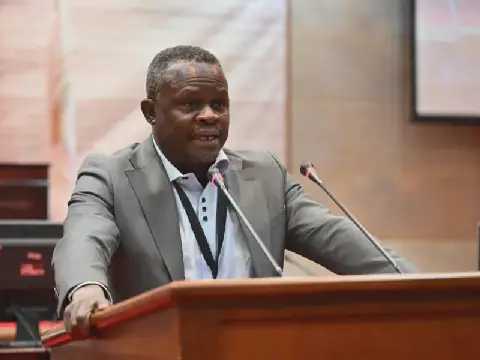
The Somali government has declared Israel's actions "null and void and without legal effect" as they were taken without the consent of Somalia's federal government. According to the Foreign Ministry, these steps constitute a flagrant violation of Somalia's sovereignty, territorial integrity, and unity. The Ministry cited the Vienna Convention on Diplomatic Relations, which requires the consent of the sovereign state for the establishment of diplomatic relations and permanent missions.
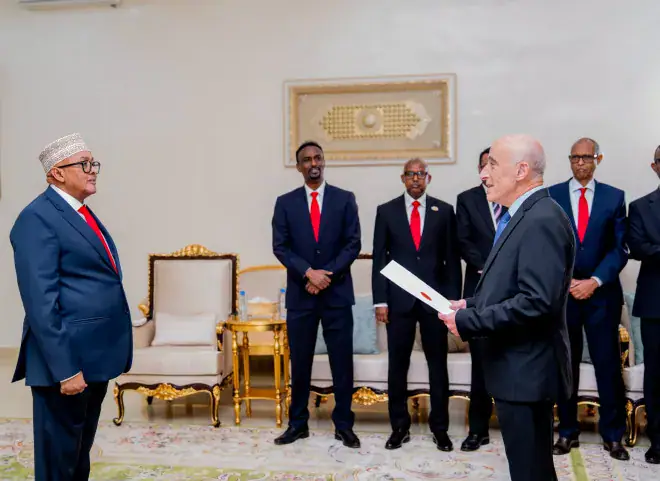
Israel's first ambassador to Somaliland, Michael Lotem, presented his credentials to Somaliland President Abdirahman Mohamed Abdullahi Irro in Hargeisa last week. A cornerstone ceremony for a future Israeli embassy followed, which Somalia also rejected. The Somali government maintains that Somaliland remains an integral part of Somalia and argues that it cannot independently establish diplomatic missions with foreign states.
Somaliland declared independence from Somalia in 1991 and has governed itself for more than three decades with its own institutions, security forces, and currency. However, Somalia rejects its claim to independence. Israel formally recognized Somaliland on December 26, 2025, becoming the first U.N. member state to do so since Somaliland's 1991 declaration. No other U.N. member state has followed Israel's move.
Israeli Foreign Minister Gideon Sa'ar described the exchange of ambassadors as fulfillment of commitments made when the two sides established diplomatic relations. He said Israel intended to deepen ties with Somaliland. Somaliland officials have welcomed the relationship and described the credential ceremony and planned embassy as milestones in expanding cooperation with Israel in areas including trade, security, technology, and investment.
Somalia's Foreign Ministry stated that Israel's latest actions compounded what it described as the unlawful recognition of Somaliland. The African Union, Arab League, Organization of Islamic Cooperation, and other regional bodies have previously rejected Israel's recognition move and reaffirmed support for Somalia's territorial integrity. These organizations have expressed concerns about the implications of Israel's actions on regional stability.
The Somali government demanded that Israel reverse the measures and called on governments and international organizations not to take steps that could confer legitimacy on them. Mogadishu warned that actions that encourage fragmentation and disregard internationally recognized borders risk deepening tensions across an already fragile region, particularly in the Red Sea and the Gulf of Aden.
The federal government also said it reserved the right to pursue diplomatic, political, and legal measures under international law in defense of Somalia's sovereignty and territorial integrity. Somalia's response reflects its concerns about the potential consequences of Israel's actions on regional security and stability. The situation remains a point of contention between Somalia and Israel.
Key points
- Somalia rejects Israel's accreditation of an ambassador to Somaliland and planned embassy in Hargeisa.
- Israel's actions violate Somalia's sovereignty and territorial integrity.
- The situation has implications for regional stability and security.