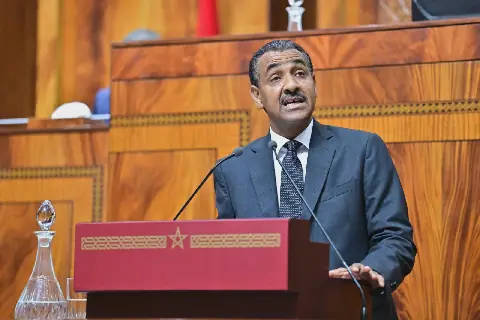
Somalia has ordered the United Arab Emirates' ambassador to leave the country within 72 hours and recalled its own ambassador from Abu Dhabi for consultations. This move marks a significant escalation in a diplomatic row between the two nations. Information Minister Abdifatah Kasim Mohamud stated that Somalia faced an "open invasion" by the UAE and warned that measures would be taken against anyone cooperating with it. The decision was made during a Council of Ministers meeting in Mogadishu.
The UAE's foreign ministry responded by denouncing Somalia's "escalatory and hostile approach," accusing Mogadishu of dragging its internal power struggles into a bilateral relationship. The Secretary-General of the Gulf Cooperation Council, Jasem Mohamed Albudaiwi, condemned what he called "irresponsible statements and misleading media campaigns" by Somali officials. The Gulf bloc has closed ranks, leaving Somalia to face the situation alone. This diplomatic war has significant stakes, including control of Somalia's coastline, command of its armed forces, and the signing of treaties.
The expulsion is not an isolated incident, but rather the culmination of a long-standing dispute. In January, Mogadishu cancelled all agreements with the UAE, including port contracts and defence and security pacts, citing actions that undermined the country's unity and sovereignty. The UAE responded by closing its embassy in Mogadishu and withdrawing its diplomatic staff. Somalia's President Hassan Sheikh Mohamud has accused the UAE of fuelling political discord, providing financial and political backing to regional Somali administrations, and meddling in other regional conflicts.
The UAE has consistently denied interfering in Somalia's affairs, but a paper trail of events over the past 11 months suggests otherwise. The UAE has built and operates a large deep-water port and military base at Berbera in Somaliland, with further facilities at Bosaso and Kismayo. These ports provide independent revenue streams to the administrations managing them, giving them a degree of autonomy from Mogadishu. Somalia's position is that only the internationally recognised government can sign international agreements, making the Emirati presence a violation of Somali sovereignty.
The timing of the expulsion is significant, as President Mohamud faces numerous challenges at home. Puntland and Jubaland have withdrawn from the federal system over the new constitution and disputed election model. Federal forces have clashed with loyalists of former South West state president Abdiaziz Hassan Mohamed, and fierce fighting has broken out in Mogadishu. The Somali Supreme Court has invalidated the president's term extension, and the Election Commission has set parliamentary and presidential polls for April and May, respectively.
A president under siege has every incentive to identify a foreign hand behind his troubles. The expulsion of the UAE ambassador may be seen as a statement of principle, but it also reflects the country's determination to protect its sovereignty. The situation remains fluid, with reports suggesting that the measures may be temporary and not amount to severing relations. However, until Mogadishu confirms this, the diplomatic row is likely to continue.
The diplomatic row between Somalia and the UAE has significant implications for the region. The UAE's presence in Somalia's ports and its alleged interference in the country's internal affairs have created tensions that may be difficult to resolve. As Somalia navigates its complex relationships with regional administrations and foreign powers, the international community will be watching closely to see how the situation unfolds.
Key points
- Somalia expels UAE ambassador, recalls its envoy, citing interference in internal affairs
- Diplomatic row between Somalia and UAE has significant implications for regional stability
- Somalia's president faces numerous challenges at home, including armed rebellion and legitimacy challenges
Reporting sources
- Mogadishu shows Abu Dhabi the door · The African Mirror