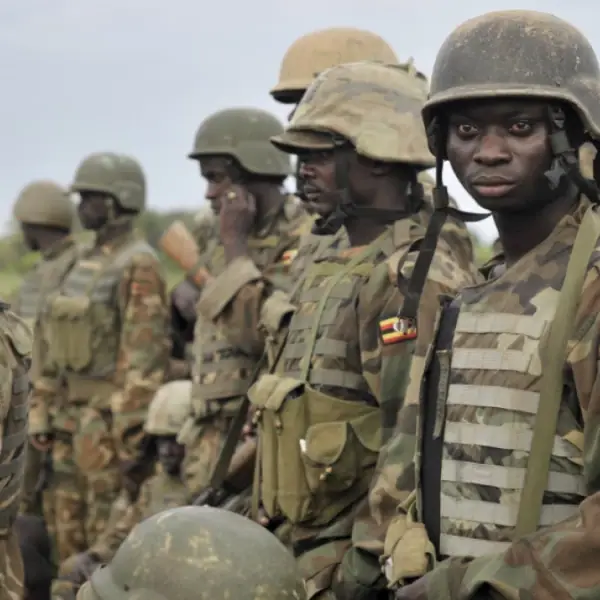
The African Union mission in Somalia is set to withdraw from four key military positions in the Lower Shabelle region, according to informed sources. This development is part of a planned reduction in the mission's troop strength, driven by funding constraints. The withdrawal is expected to take place next week, creating concerns about a potential security vacuum in the region. Lower Shabelle serves as a defensive buffer for the Somali capital, Mogadishu, and has been a key battleground in Somalia's conflict with al-Shabab.
The planned departure of African Union troops raises questions about the capacity of Somali government forces to take over and hold the vacated positions. According to sources, Somali government forces have limited capacity to assume responsibility for the areas being vacated. This has sparked concerns about the potential consequences of the withdrawal, including the possibility of al-Shabab expanding its presence in the region. The militant group has already reportedly moved into towns identified for the planned withdrawal of African Union troops.
The African Union mission has played a central role in supporting Somali security forces against the insurgency. However, financial constraints and plans to gradually reduce international troop deployments have increased pressure on Somali authorities to assume greater responsibility for security. The mission's troop reduction plans are set to continue until December 2026, when an additional year for the process of reducing troop numbers will reportedly be provided.
The expected withdrawal of African Union troops from Lower Shabelle comes as Somali government forces face competing security demands. The government is currently engaged in military operations linked to domestic political disputes, which may complicate efforts to reinforce areas affected by the drawdown. The situation is further complicated by the fact that the precise locations of the four positions, the number of troops involved, and the arrangements for transferring security responsibilities to Somali forces are not immediately available.
The development has raised concerns about the potential consequences of the withdrawal, including the possibility of al-Shabab expanding its presence in the region. The militant group continues to carry out attacks against government forces and civilian targets, and the expected departure of African Union troops may create an opportunity for the group to consolidate its position in Lower Shabelle.
The Somali government and the African Union had not publicly confirmed the planned withdrawal at the time of publication. However, reports have already emerged that militants have moved into towns identified for the planned withdrawal of African Union troops. The situation highlights the challenges facing Somali authorities as they assume greater responsibility for security in the country.
The withdrawal of African Union troops from Lower Shabelle region underscores the need for Somali government forces to enhance their capabilities and assume greater responsibility for security. The development also highlights the importance of international support and funding for the African Union mission, which has played a critical role in supporting Somali security forces against the insurgency.
Key points
- The African Union mission is set to withdraw from four key military positions in Somalia's Lower Shabelle region amid funding constraints and troop reduction plans.
- The planned departure of African Union troops raises concerns about the capacity of Somali government forces to take over and hold the vacated positions.
- The withdrawal may create an opportunity for al-Shabab to expand its presence in the region, posing a significant security challenge for Somali authorities.