Prostate cancer has become a significant health concern in Ghana, with an estimated 1,233 men losing their lives to the disease in 2022 alone. According to Dr. Nathan Kwablah, a family physician specialist at Opstra Medical Group, men should begin prostate cancer screening from age 40, rather than waiting until the disease conventionally associated with older men. Dr. Kwablah warns that prostate cancer often develops silently, with no outward signs in its early stages, making early detection crucial.
The disease can start growing in the prostate gland as early as age 40, and men should not wait to experience symptoms before seeking medical attention. Prostate cancer develops when cells in the prostate gland begin to grow abnormally and uncontrollably, eventually invading nearby tissue and spreading elsewhere in the body. The International Agency for Research on Cancer (IARC) reported that over 1.4 million men worldwide were diagnosed with prostate cancer in 2022, with close to 397,000 deaths recorded that year.
In Ghana, an estimated 2,395 new cases and 1,233 deaths were recorded in 2022 alone, according to IARC data. The disease accounts for roughly a quarter of all new cancer cases diagnosed among Ghanaian men in recent years. Dr. Kwablah explained that both non-modifiable and modifiable factors influence a man's risk of developing prostate cancer. Age remains the biggest non-modifiable factor, with most cases occurring in men 65 and above.
Men of African descent face a higher risk than other racial groups, and a family history of the disease, particularly in a father or brother, and certain inherited genetic traits also raise the odds. On the modifiable side, Dr. Kwablah listed poor diet, alcohol consumption, smoking, obesity, and physical inactivity as contributing factors men can control. Because the disease is largely silent in its early phase, symptoms such as a weak urine stream and frequent night-time urination tend to appear only once the cancer has progressed.
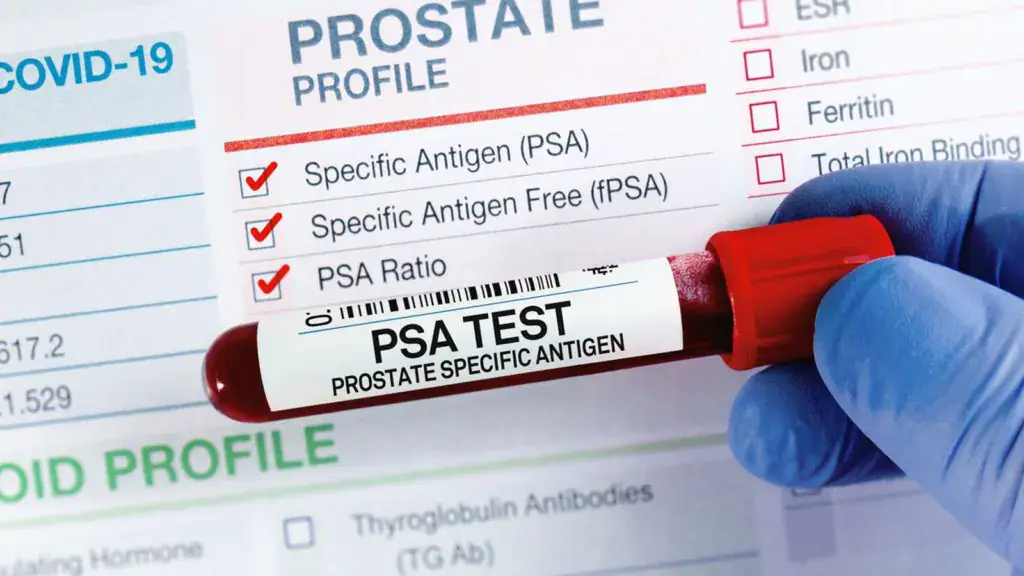
Dr. Kwablah recommended the prostate-specific antigen (PSA) test, a simple blood test that measures a protein produced by the prostate, as the standard screening tool. He advised that all men aged 40 and above should take the test at least once a year, with the results guiding what further steps, if any, a doctor should recommend. By taking the test, men can detect the disease early, improving their survival chances and preserving their quality of life.
Beyond regular screening, Dr. Kwablah urged men to adopt healthier lifestyles by eating balanced diets rich in fruits and vegetables, exercising regularly, cutting back on alcohol, quitting smoking, and maintaining a healthy weight. He stressed that prostate cancer, when caught early, can be cured, allowing men to continue living full lives with their families. Dr. Kwablah's appeal was addressed directly to men and their families to take personal responsibility for routine checks starting at age 40.
No government health agency timeline or national screening campaign was mentioned in connection with Dr. Kwablah's appeal. The doctor's message emphasizes the importance of individual action in the face of rising prostate cancer cases and deaths in Ghana. By following Dr. Kwablah's advice, Ghanaian men can take proactive steps towards protecting their health and well-being.
Key points
- Prostate cancer can start growing in the prostate gland as early as age 40.
- Men of African descent face a higher risk of developing prostate cancer than other racial groups.
- Early detection through regular screening and a healthy lifestyle can improve survival chances and preserve quality of life.