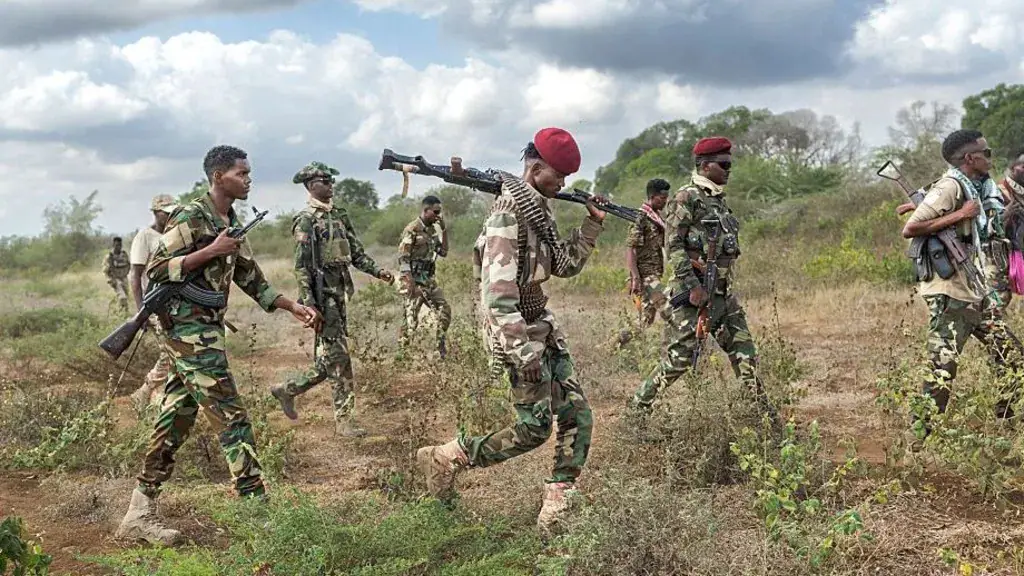
Somalia is facing a fresh test of its stability as foreign troops begin withdrawing, funding for its security forces comes under pressure, and a bitter political dispute threatens to derail plans for the country's first direct democratic elections in decades. The combination of challenges has raised questions about whether the government can defend itself against Islamist militant group al-Shabab while managing growing divisions among political factions. Some analysts fear the situation could embolden al-Shabab, which is affiliated with al-Qaeda.
The US, which had earlier announced cuts to funding for the UN Support Office in Somalia (Uunsos), has since said it is extending it for a year. Washington contributes about a quarter of Unsos's annual budget of $500m, which supports Somali security forces, AU missions, and individual troop-contributing nations. Ugandan troops, who make up the largest contingent of the AU force, began withdrawing last month, with the country expected to complete its withdrawal by next year.
Ethiopia, another major contributor to the AU mission with over 7,000 soldiers, is also reportedly planning to withdraw almost half of its contingent. With military support uncertain and the government facing mounting political challenges, analysts question whether Somalia's security forces are ready to stand on their own. The concerns were heightened recently when al-Shabab claimed to have killed hundreds of elite Somali soldiers in an attack.
Abdisalam Guleid, a former deputy director of Somalia's National Security Agency, warned that the withdrawal of foreign troops could leave Mogadishu vulnerable to a takeover similar to that of Afghanistan by the Taliban in 2021. He said years of international assistance have not translated into sufficient military independence for the Somali government, and the authorities have become so reliant on foreign protection that they have neglected to adequately prepare their own forces to take over.
Somalia's Information Minister Abdifatah Qasim Mohamud rejected suggestions that the country would be unable to cope with the withdrawals. He said Somali troops had already taken over some positions vacated by Ugandan forces and were prepared to assume greater responsibility for the country's security. President Hassan Sheikh Mohamud has also been seeking continued international backing, calling on the international community to continue supporting Somalia to consolidate security gains.
Not everyone believes the withdrawal will necessarily result in a security collapse. Ugandan security analyst Freddie David Egesa argues that years of international military support have helped Somalia establish the institutions needed to take greater responsibility for its security. However, other analysts warn that the timing could hardly be worse, with Somali forces under considerable pressure as they fight al-Shabab while attempting to take over positions previously held by foreign troops.
The withdrawal of foreign forces, alongside the activities of clan-based militias aligned with rival political factions, has heightened concerns about the government's ability to maintain control. The government must also resolve a growing political dispute over the timing and format of the country's elections, which need to be secured, as another issue compounding the security situation.
Key points
- The withdrawal of foreign troops from Somalia raises concerns about the government's ability to defend itself against al-Shabab.
- The US has extended funding for the UN Support Office in Somalia (Uunsos) for a year, contributing about a quarter of Unsos's annual budget of $500m.
- Analysts warn that the timing of the withdrawal could hardly be worse, with Somali forces under considerable pressure as they fight al-Shabab.