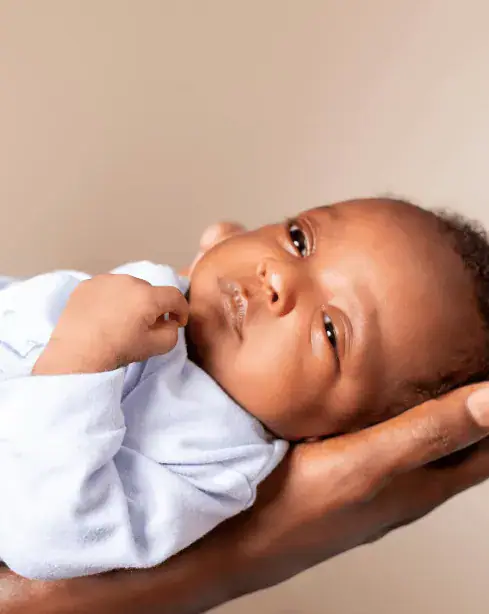
In Sierra Leone, approximately 1.1 million people live with the Hepatitis B virus, with a prevalence rate of 13.8 per cent. Newborns were previously vulnerable to the virus during the first weeks of life, with a high risk of developing lifelong, chronic infections. The Ministry of Health has now introduced the Hepatitis B Birth Dose Vaccine, making Sierra Leone one of the latest African countries to protect newborns against Hepatitis B from birth.
The Hepatitis B virus can cause a serious liver infection, leading to chronic conditions, liver scarring, liver failure, or liver cancer. Infants and young children infected with HBV are more likely to develop a chronic infection. The virus can be transmitted through blood and bodily fluids, and even in microscopic amounts, it can survive and remain infectious for up to a week. Newborns are at risk of Hepatitis B, especially when the virus is transmitted from an infected mother during birth.
The Hepatitis B Birth Dose Vaccine is designed to close the gap in protecting newborns from the virus. According to Johns Hopkins University, giving the vaccine within 24 hours of birth acts as an immediate "safety net" that stops the virus from taking hold in the baby's liver, preventing infection in up to 90 per cent to 95 per cent of exposed newborns. The vaccine can also help shield newborns from mother-to-child transmission of HBV.
Health experts consider the Hepatitis B Birth Dose Vaccine one of the most effective interventions for preventing mother-to-child transmission of Hepatitis B. Administering the vaccine within 24 hours of birth provides an immediate safety shield, protecting newborns from mother-to-child transmission during delivery and curbing HBV infections by over 90 per cent. When babies complete the full vaccination series, overall protection reaches an exceptional 98 per cent to 100 per cent effectiveness against the virus.
The vaccine is available free of charge through government health facilities in Sierra Leone, including hospitals, Peripheral Health Units (PHUs), and Community Health Centres (CHCs). Trained health providers will administer the dose right after delivery, and all newborns, including premature and low-birth-weight babies, are safely eligible to receive the dose right away. The vaccine works best when taken within 24 hours of birth, although health workers will still administer it if parents arrive within 72 hours of birth.
According to the American Academy of Paediatrics, infected infants with HBV are unlikely to show symptoms of an acute infection, with a greater chance of developing chronic infection. The Centers for Disease Control and Prevention (CDC) has monitored the vaccine and confirmed that it is extremely safe for newborns, with no deaths resulting from the vaccine. The CDC recommends administering the initial dose on the first day of life, followed by routine childhood booster doses.
The introduction of the Hepatitis B Birth Dose Vaccine in Sierra Leone is a major step toward protecting newborns and children against preventable deaths. By protecting babies within the first 24 hours of life, the country is closing a critical gap that previously left newborns vulnerable to the virus. The vaccine is expected to significantly lower long-term risks of severe liver scarring, liver failure, and liver cancer in children.
Key points
- The Hepatitis B Birth Dose Vaccine prevents infection in up to 90 per cent to 95 per cent of exposed newborns.
- The vaccine is available free of charge through government health facilities in Sierra Leone.
- Administering the vaccine within 24 hours of birth provides an immediate safety shield, protecting newborns from mother-to-child transmission during delivery and curbing HBV infections by over 90 per cent.