Somalia is facing a growing risk of Rift Valley fever, a mosquito-borne virus that can cause severe illness in animals and humans, according to a warning issued by the United Nations Food and Agriculture Organization (FAO) and the regional bloc IGAD on October 30. The country is among six identified as being at high risk of the disease. El Niño-related rainfall has created favourable conditions for the spread of the virus across Eastern Africa.
The FAO's October assessment identified newly suitable areas for transmission in southern Somalia and forecast a further expansion of favourable conditions across the region through January 2027. The assessment does not confirm an outbreak in Somalia, but signals an increased risk that authorities must prepare for before infections emerge or spread. The threat carries significant economic implications for communities that depend on livestock for their livelihoods.
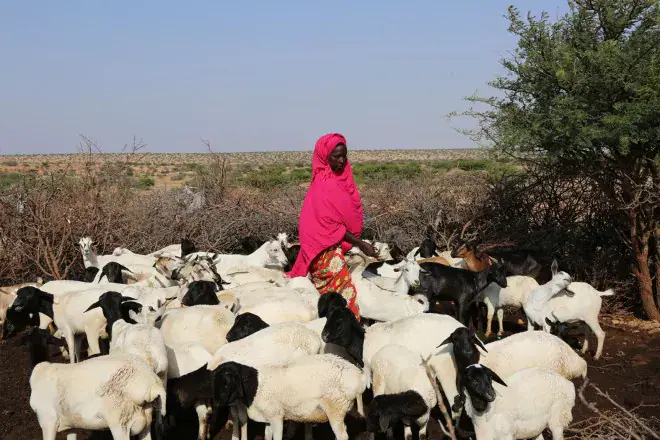
Rift Valley fever can cause severe illness in animals and humans, while livestock deaths and pregnancy losses can inflict significant financial damage on affected households. According to the World Health Organization (WHO), the disease can cause serious illness in livestock, threatening the animals on which many rural livelihoods depend. For livestock owners, potential losses extend beyond animals that die from infection, as pregnancy losses can also undermine the productive capacity of affected herds.
Heavy rainfall is a central factor behind the latest warning, as wet conditions can expand mosquito breeding grounds, increasing the potential for transmission. Movements of livestock can also contribute to the spread of infection, making surveillance and coordination between neighbouring countries important. The FAO assessment indicates that environmental conditions suitable for transmission have emerged in additional areas of southern Somalia.
The warning places Somalia within a broader regional risk picture rather than identifying a confirmed national outbreak. Agencies have called for early action, urging countries facing elevated risk to strengthen targeted surveillance, position vaccines and essential supplies in advance, and coordinate animal-health and public-health responses across borders. The recommended measures aim to improve preparedness before outbreaks place additional pressure on livestock owners and health services.
Cross-border coordination is particularly important, as livestock movements can contribute to disease transmission, while rainfall-driven mosquito breeding conditions may affect multiple countries. The agencies' recommendations focus on detecting potential infections and ensuring that essential resources are available when needed. Human health and livestock losses are both significant concerns, with most human infections occurring through contact with the blood or organs of infected animals.
Somalia has experienced Rift Valley fever during earlier periods of exceptional rainfall, including a major outbreak in 1997-98 that affected Somalia, Kenya, and Tanzania following an El Niño event accompanied by extensive flooding. The effectiveness of targeted surveillance, advance positioning of vaccines and supplies, and coordination with neighbouring countries will be critical as rainfall-related transmission conditions are forecast to persist through January 2027.
Key points
- Somalia is at high risk of Rift Valley fever due to El Niño-related rainfall.
- The disease can cause severe illness in animals and humans, and significant financial damage to affected households.
- Agencies are urging early action to strengthen surveillance, position vaccines, and coordinate responses across borders.