In a recent analysis, Yusuf Said Hersi emphasized the critical roles that Somali politicians and military officials play in maintaining the country's stability and security. With Somalia facing a complex and challenging political and security environment, Hersi argued that these two groups must prioritize the national interest above all else. This includes ensuring that their actions and decisions are guided by a sense of patriotism and a commitment to the well-being of the Somali people.
Somali politicians, Hersi noted, have a critical role to play in promoting national unity and stability. However, he also emphasized that their primary responsibility is to serve the nation, not their personal interests or those of their clans or political parties. In the current context, Somali politicians working with President Hassan Sheikh Mahmoud must consider whether their actions are contributing to the country's instability and divisions. Hersi suggested that in some cases, resignation may be the most patriotic course of action, particularly if an individual's continued presence in office is exacerbating the country's problems.
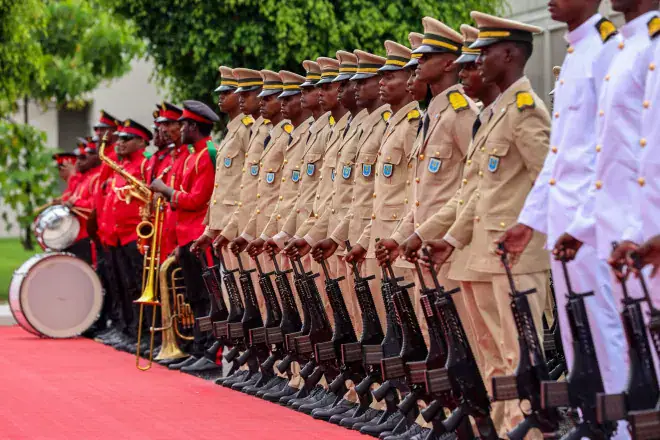
Military officials, on the other hand, have a distinct set of responsibilities that are critical to the country's security and stability. According to Hersi, Somali military officials are not politicians and should not be swayed by partisan interests or personal agendas. Their primary duty is to protect the nation, its people, and its institutions, and to uphold the rule of law. This means that they must be prepared to disobey orders that are not in line with the law or the national interest.
The relationship between Somali politicians and military officials is complex, and Hersi emphasized that both groups must work together to promote national stability and security. However, he also noted that the military must remain independent and impartial, and that its loyalty must be to the nation, not to any particular politician or group. This is critical in ensuring that the military is able to perform its duties effectively and maintain the trust of the Somali people.
Hersi's analysis highlights the significant challenges facing Somalia as it navigates a complex and often turbulent political and security landscape. The country's politicians and military officials must work together to promote national stability and security, but they must also be prepared to make difficult decisions and prioritize the national interest above all else. This will require a high degree of patriotism, integrity, and commitment to the well-being of the Somali people.
The importance of prioritizing the national interest is not limited to Somalia's politicians and military officials. Hersi's analysis suggests that all Somalis have a role to play in promoting national stability and security, and that the country's future depends on the collective efforts of its citizens. By working together and prioritizing the national interest, Somalis can build a more stable and secure future for themselves and for future generations.
Ultimately, Hersi's analysis emphasizes the need for Somali politicians and military officials to prioritize the national interest and to work together to promote stability and security. By doing so, they can help to build a more prosperous and peaceful future for Somalia, and ensure that the country's institutions and systems are able to function effectively. This will require a sustained commitment to the well-being of the Somali people and a willingness to make difficult decisions in the face of complex challenges.
Key points
- Somali politicians and military officials must prioritize the national interest above all else.
- The country's military must remain independent and impartial.
- All Somalis have a role to play in promoting national stability and security.